Hermetic sealing · featured
4J29 pins for sensor headers
A sensor maker needed seal pins with expansion within a narrow band of the glass, tested on the finished pin rather than the master coil.
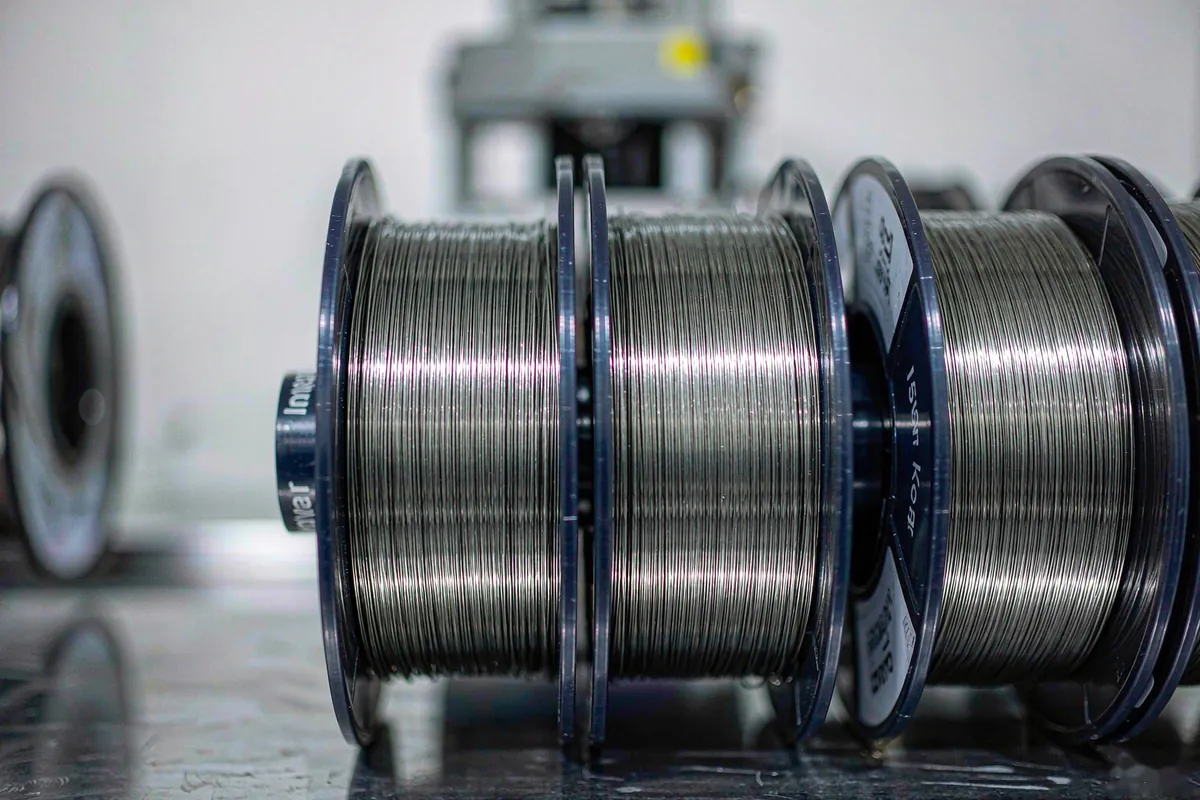
Kovar, Invar and permalloy wire with controlled thermal expansion and permeability. The alloy is chosen by a physical constant, not by strength — so the test report has to carry that constant.
Kovar (4J29) is selected so its expansion matches borosilicate glass; Invar (4J36) so it barely expands at all; permalloy (1J50, 1J79) so it responds to a magnetic field with high permeability and low coercivity.
These properties are process-sensitive. Expansion depends on chemistry and annealing; permeability depends on impurity level and final anneal. We report the measured value, so the design calculation can be checked against the coil you receive.
Expansion coefficient, Curie point and permeability separate these alloys far more than price does.
Expansion matches hard borosilicate glass for hermetic seals.
Near-zero expansion for instruments and laser housings.
High permeability for transformers, shielding and sensors.
Fine sizes for sensor windings and seal pins.
These alloys lose their properties if the final anneal is wrong, so the last pass and the anneal are treated as one step.
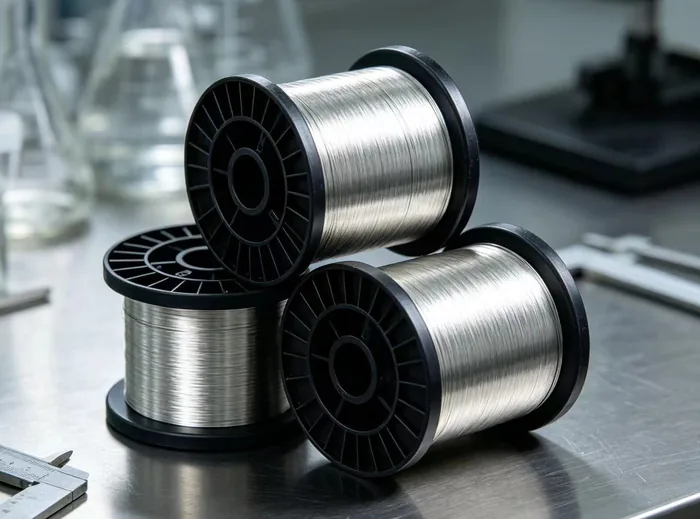
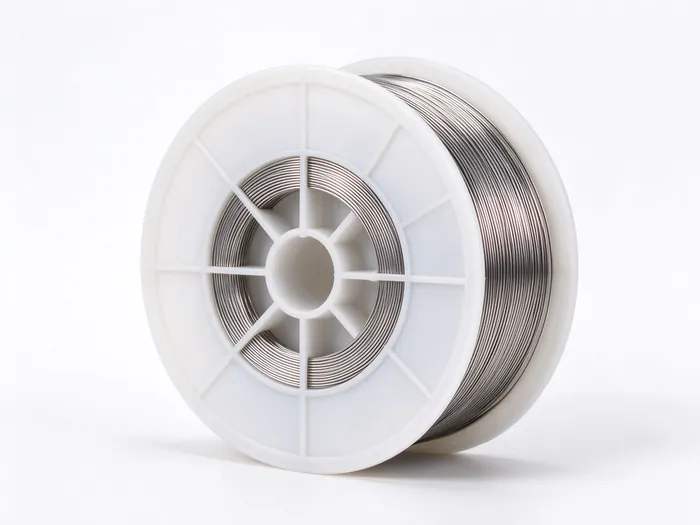
Drawn and vacuum annealed, with expansion or permeability tested on the finished spool.
Annealed to a specified hardness so the winding tension is predictable.
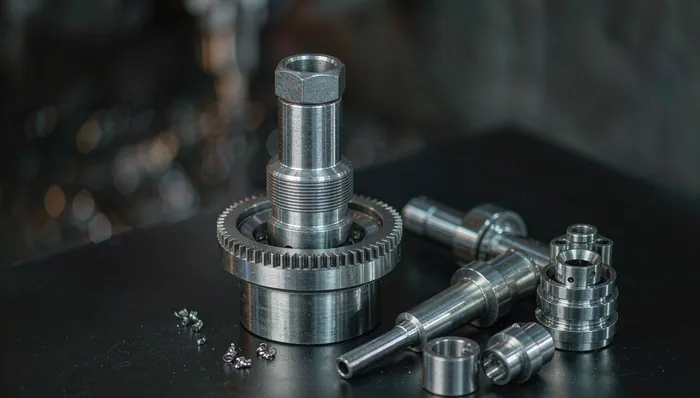
For pins, shells and machined parts where expansion, not strength, is critical.
Need a property value held to a tolerance? Tell us the constant and the range — we confirm what the process can hold.
Discuss the property limit →Each grade exists for one physical property; the chemistry is a consequence, not the goal.
Property tolerances are agreed before production — expansion and permeability both depend on the final anneal. Send your specification — our engineers confirm availability and test values before you order.
Expansion is quoted over a temperature range; permeability is quoted at a stated field strength. A figure without its condition is not usable, so both are reported with the test condition.
Values below are typical; the measured value for your coil is issued with the certificate.
P4 and P5 are our in-house diameter-tolerance classes, not ISO 286 IT grades or a GB/T designation: P5 is the general-purpose band and P4 the tighter precision band — at 1.0 mm roughly ±2% and ±1% of diameter, which is about ±4% and ±2% on resistance. The band that applies to your order is printed on the quotation.
20–400 °C
20–100 °C
At 0.4 A/m
4J36 Invar
Annealed, typical
Fine wire
Expansion and permeability are set by the last heat treatment, so it is quoted, not assumed.
Clean surface and stable properties.
StandardLowest impurity level for magnetics.
MagneticsFor winding and bending without springback.
FormingOxide-free for sealing and plating.
SurfaceTension and traverse set to your winder.
PackagingDeburred to length for seal assembly.
AssemblyTell us the property tolerance you need at the design stage; the anneal is set to meet it, not to a default.
Five controlled steps, each with a named output — so nothing is agreed verbally and lost between shifts.
We check grade, size, temper, tolerance, packing and delivery date against what the drawing actually needs — and flag anything the process cannot hold.
4J29 / 4J36 / 1J50 confirmed against your existing grade number, with datasheet and typical test values issued before the order is placed.
Drawn to size with the final pass scheduled together with the property-setting anneal.
Vacuum or hydrogen annealing sets expansion and permeability; the value is measured after it.
Chemistry, mechanical properties, dimensions and surface checked against the order, then packed for export with the documents inside the case.
Four applications where the alloy is chosen for expansion or permeability, never for strength.
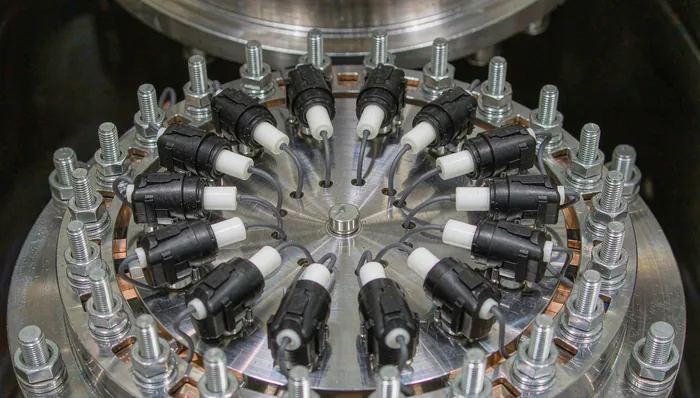
Kovar matched to borosilicate glass expansion.
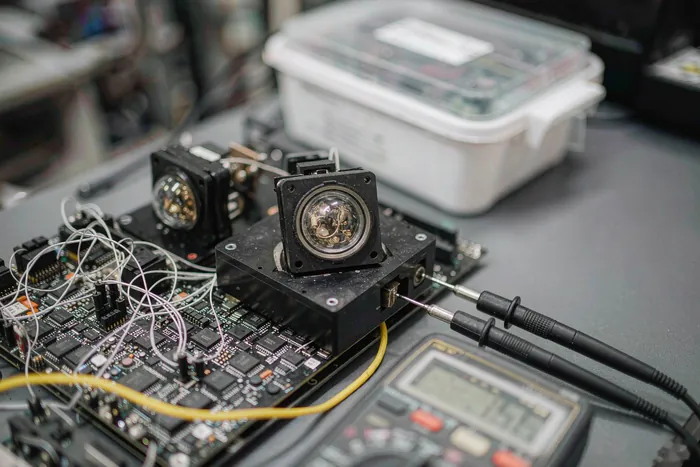
Invar for optical and laser housings that must not move with temperature.
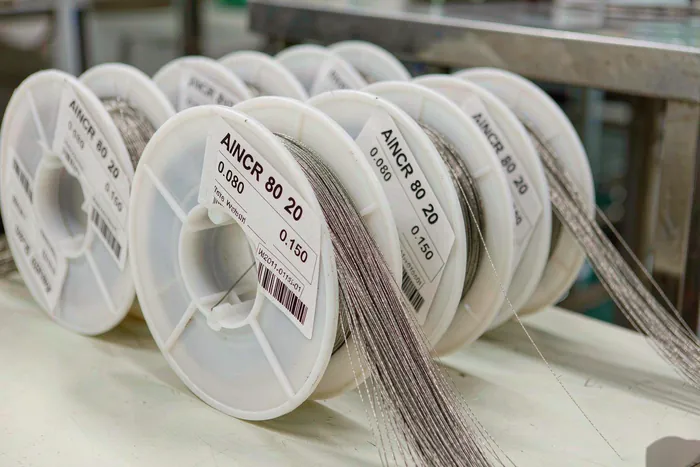
High permeability with low coercivity.
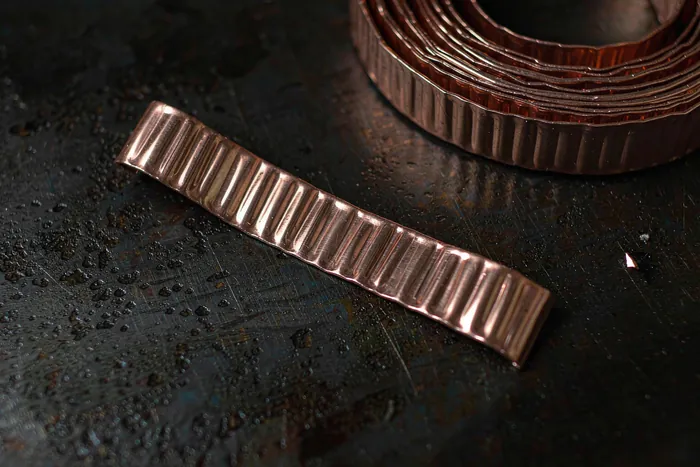
Fine wire for coils where thermal drift must stay low.
Precision alloys are bought for a number. If the certificate does not carry that number, the material cannot be qualified.
Kovar, Invar and two permalloys in one supply.
Wet drawing with in-line diameter control.
Property-setting anneal matched to the grade.
Measured and reported with the test condition.
Chemistry and physical values in one file.
Trial spools and production coils from the same route.
Each specification quoted an expansion or permeability limit before it quoted a diameter.
A sensor maker needed seal pins with expansion within a narrow band of the glass, tested on the finished pin rather than the master coil.
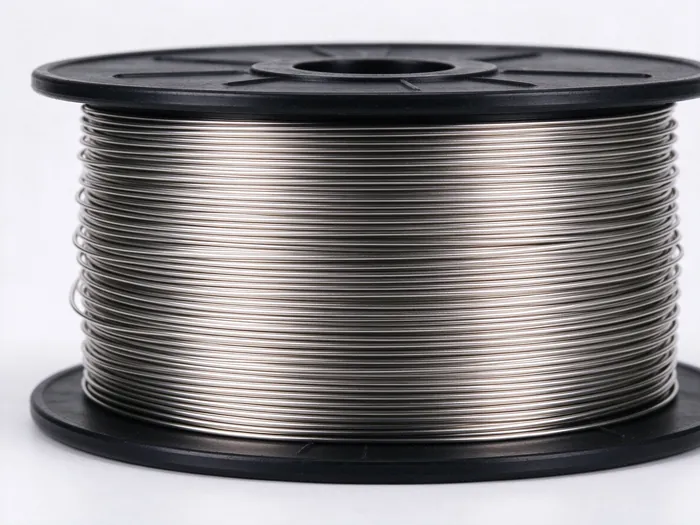
Invar wire drawn to 1.2 mm and annealed for stability, with expansion reported over 20–100 °C.
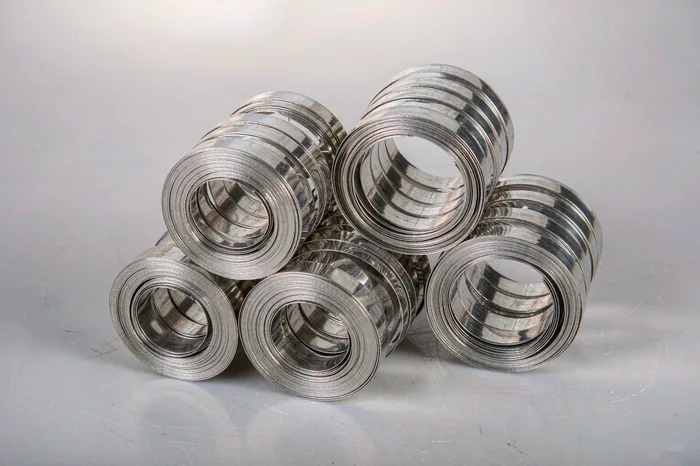
Hydrogen-annealed wire with permeability measured at a stated field strength, so the designer could compare against the model.
Send the expansion or permeability limit, the diameter and the quantity. We confirm what the anneal can hold and quote within 24 hours.
Questions about expansion, permeability and the anneal that sets them.
Expansion. 4J29 (Kovar) is designed to match borosilicate glass at about 5.1×10⁻⁶/K; 4J36 (Invar) is near zero at about 1.2×10⁻⁶/K.
Yes, measured at a stated field strength and reported with the anneal condition.
Both expansion and permeability depend on the final heat treatment. A correct chemistry with the wrong anneal will not meet the property.
Down to 0.05 mm, vacuum annealed and spooled with tension control.
Gold and nickel plating are available through qualified partners for seal pins and contacts.
From 1 kg for fine sizes, 10–20 kg for standard diameters.