Battery · featured
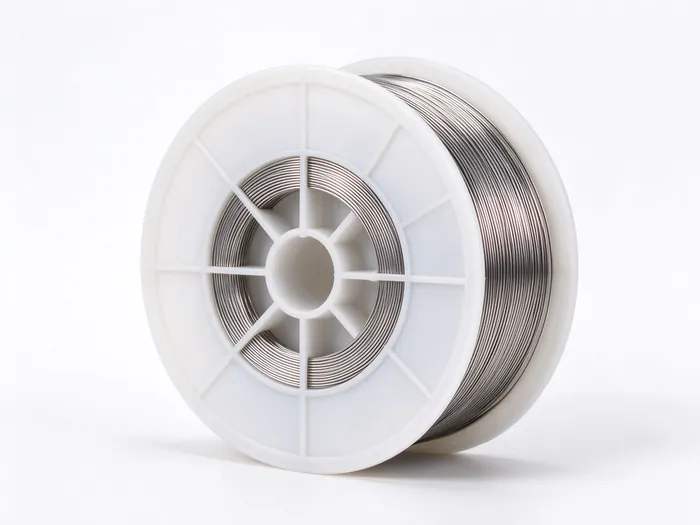
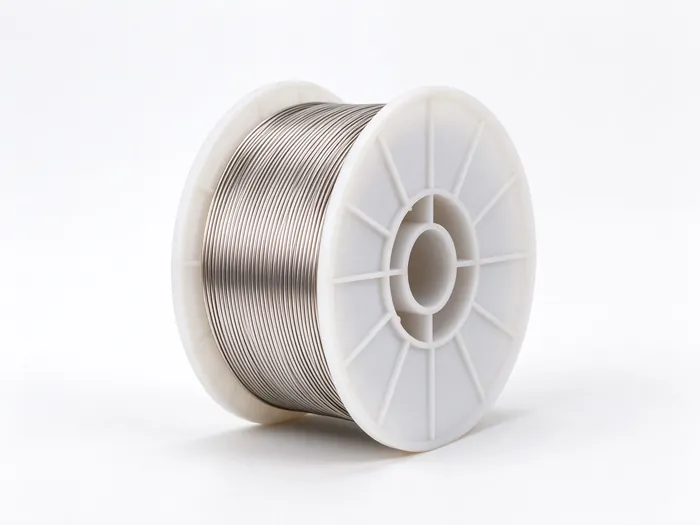
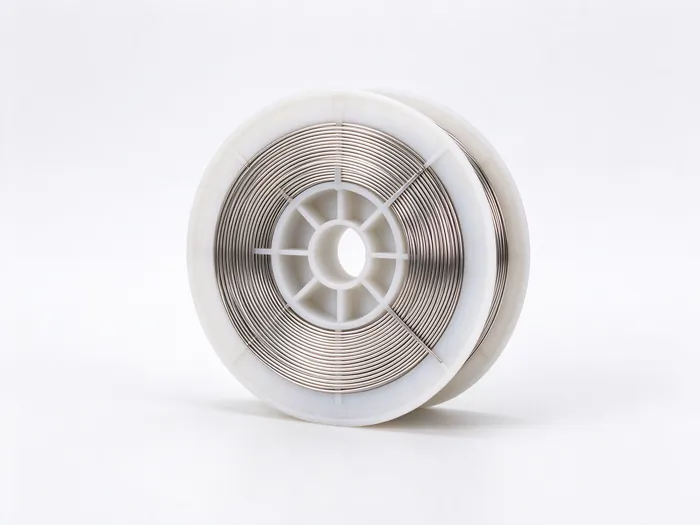
0.2 × 8 mm tab strip
A pack assembler needed thickness within 5 µm across the coil so the weld schedule would not need re-teaching between coils.
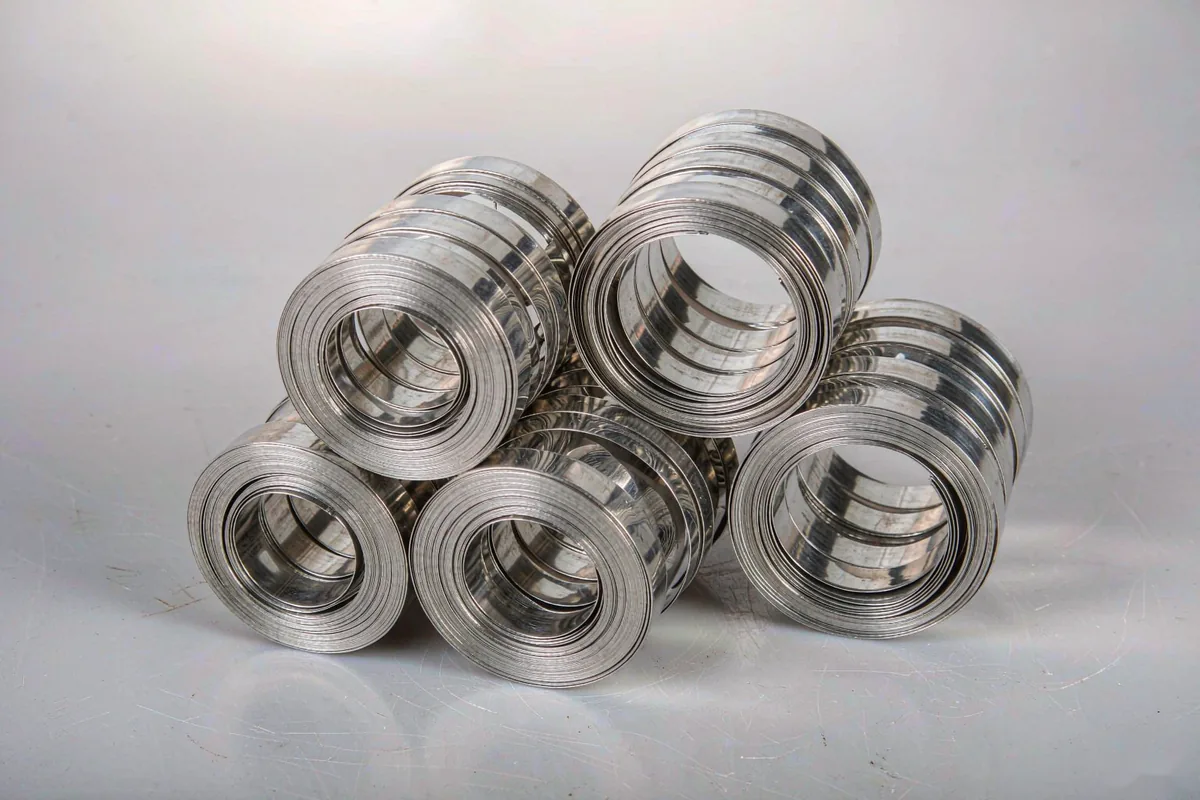
Rolled, slit and edge-conditioned in our own plant. Thickness from 0.03 mm, width to 50 mm, with camber and burr controlled so the strip feeds and welds without jamming.
Strip is rolled to thickness and slit to width, so thickness tolerance, camber and edge quality come from the mill line rather than the drawing die. That matters on a tab welder: 10 µm of thickness drift moves the weld window.
We roll, slit and anneal in one plant, which means your coil traces to a single heat — and the edge condition is chosen for your feeder, not for the cheapest slitting setup.
Most strip complaints turn out to be edge or camber problems, not metallurgy.
Tab and contact stock, with tolerance held across the full coil width.
Slit to finished width with burr height controlled on both edges.
Soft for forming, hard for spring contacts and structural parts.
Rounded profile for insulation-critical or handling-sensitive parts.
Three operations decide whether the strip runs on your line or sits in the scrap bin.
Four-high rolling with gauging at entry and exit, logged for the whole coil.
Slit to finished width, with burr height checked on both edges of every coil.
Rounded edges for parts that pass through insulation or automated handling.
Need a width or edge condition that is not listed? Send the drawing — we confirm what the slitter can hold.
Send the strip drawing →Two grades cover most tab and contact work; plating and purity are separate decisions.
Plating, pre-piercing and adhesive backing are available through qualified partners — ask before quoting. Send your specification — our engineers confirm availability and test values before you order.
Values below are typical for annealed Ni200 strip and are confirmed against your drawing before the order. Thickness tolerance drives the weld window; camber drives tracking.
Burr height is measured on both edges and recorded per coil, because one burr is enough to jam a feeder.
0.03 – 0.3 mm
Slit strip
Per metre of length
Both edges
Annealed Ni200
Annealed, oxide-free
Edge, temper and winding are as much part of the specification as thickness.
Oxide-free surface ready for welding or plating.
StandardLow yield strength for tight forming.
FormingSpring temper for contacts that hold force.
SpringRounded profile for insulation and handling.
EdgeEven tension so the coil unwinds without snaking.
PackagingPaper or film interleave to protect the surface.
ProtectionCoil weight, bore, winding direction and interleave are set per order. Tell us the feeder and we match the package.
Five controlled steps, each with a named output — so nothing is agreed verbally and lost between shifts.
We check grade, size, temper, tolerance, packing and delivery date against what the drawing actually needs — and flag anything the process cannot hold.
Ni200 / Ni201 confirmed against your existing grade number, with datasheet and typical test values issued before the order is placed.
Rolled to thickness with gauging at entry and exit, then slit to finished width with burr control on both edges.
Continuous annealing sets temper and keeps the surface ready for welding or plating.
Chemistry, mechanical properties, dimensions and surface checked against the order, then packed for export with the documents inside the case.
Four uses where conductivity and a clean, flat surface decide the part.

Tab stock with controlled thickness for a repeatable weld window.
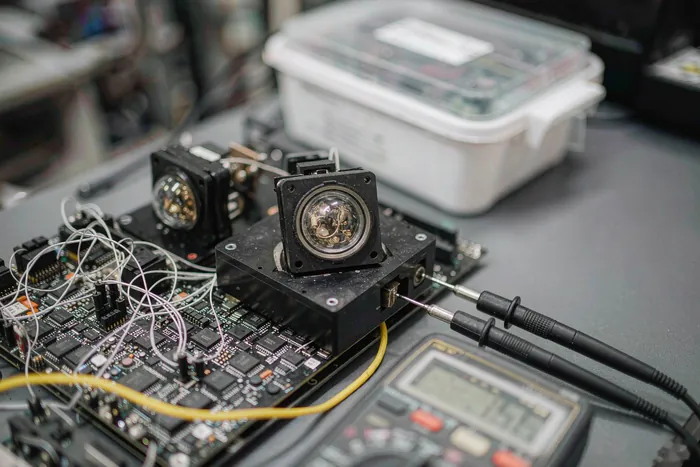
Spring temper strip for contacts that must hold force over life.
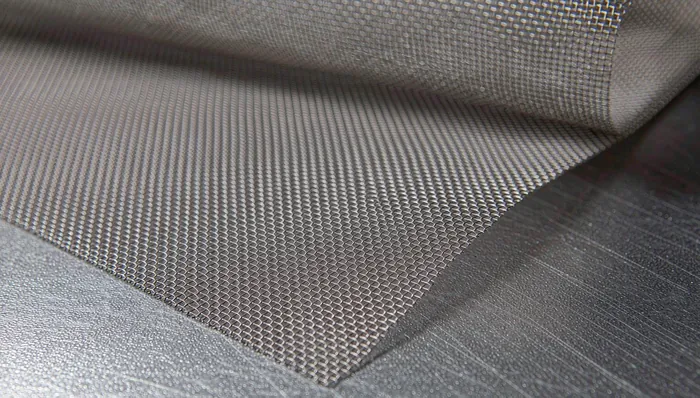
Soft annealed strip that forms without cracking.

Corrosion resistance where stainless would pit.
Most strip defects enter the chain between mill and slitter. We keep rolling, slitting and annealing in one plant.
No third-party slitter between the mill and your coil.
Entry and exit gauges log the full coil, not a sample.
Both edges checked, because one burr jams a feeder.
Soft, quarter-hard or hard, set on our own line.
Every coil labelled with heat number and test report.
Trial coils, then repeat production from the same line.
Each was decided by a tolerance, an edge or a packaging detail — not by alloy selection.
A pack assembler needed thickness within 5 µm across the coil so the weld schedule would not need re-teaching between coils.
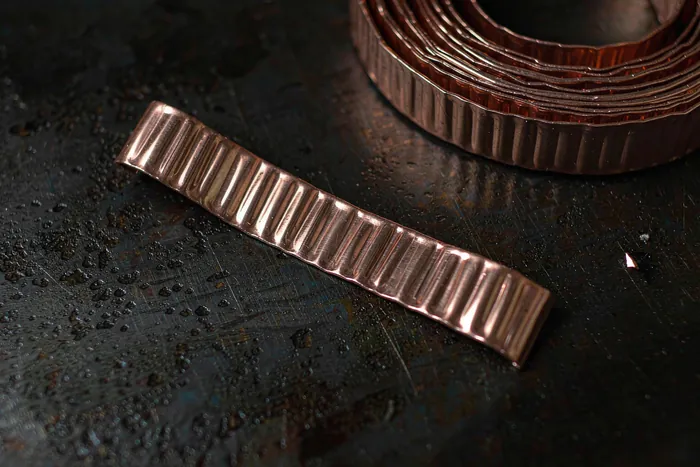
Hard rolled 0.15 × 3 mm strip, deburred both edges for automatic insertion.
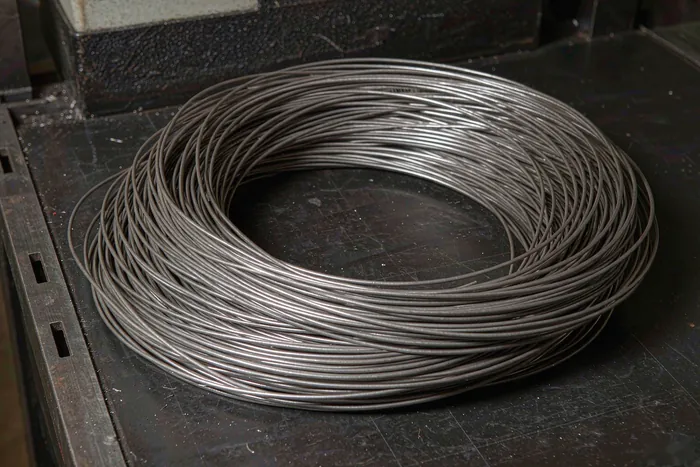
0.1 × 45 mm soft strip, interleaved, so the press could run without a straightener.
Tell us the grade, section, temper and coil weight — or send the drawing. An engineer checks what the line can hold and you get a factory-direct quotation within 24 hours.
Practical answers on section, edge, temper and packing.
Yes, down to 0.03 mm in widths up to 30 mm. Below 0.05 mm we recommend round edge and film interleave to protect the surface.
Typically 0.02 mm maximum on both edges, measured per coil. Tighter limits are possible on narrow widths — send the drawing.
Either. Soft annealed for forming, quarter-hard and hard rolled for contacts. Temper is stated on the test report with tensile values.
Pre-piercing, notching and adhesive backing are available through qualified partners. Send the drawing and we quote the finished part.
By slit tension and edge condition, checked per coil. We work to 0.5 mm per metre as standard.
From 5 kg for a trial coil in common sections; 50 kg and above for production runs.