Appliance · featured
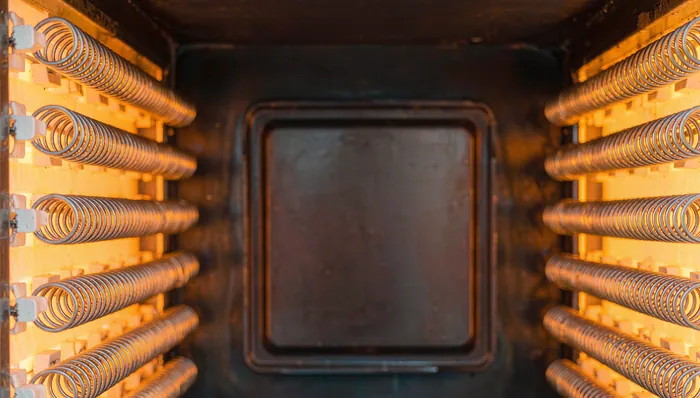
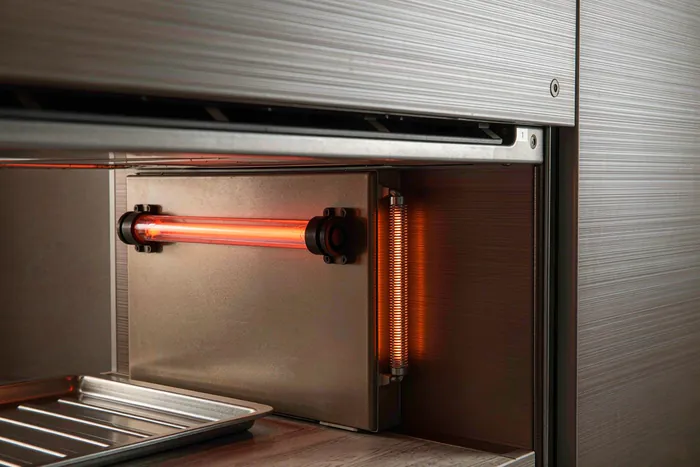
Ni80Cr20 for a 2000 W oven element
Resistance per metre was held within 2% across 300 kg so the assembled element stayed inside its power tolerance without trimming.
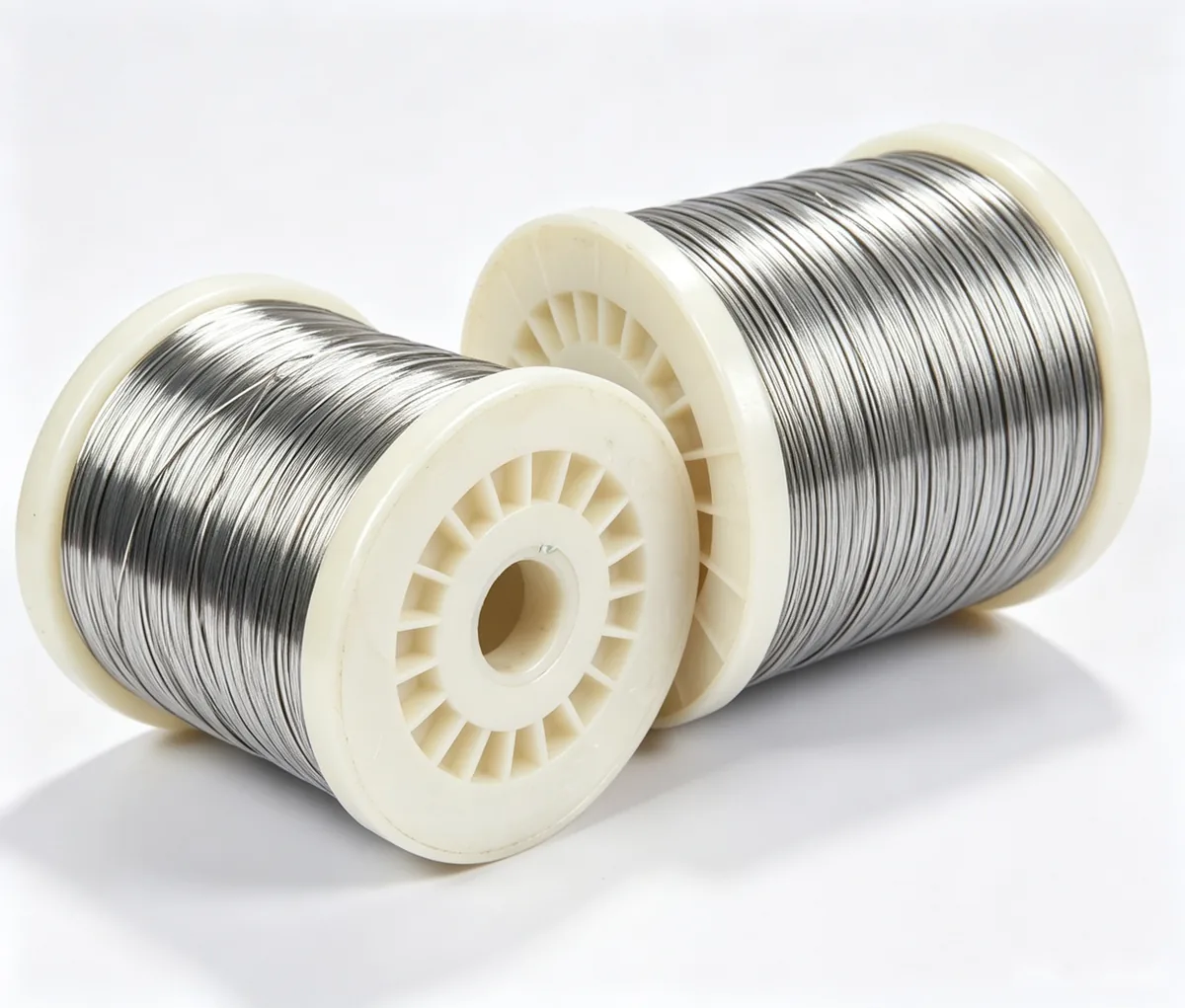
Ni80Cr20, Ni60Cr15, Ni35Cr20 and Ni70Cr30 from 0.05 mm. More ductile than FeCrAl and easier to weld, with resistivity tested per lot so the element you design is the element you get.
Ni80Cr20 keeps ductility after service, so elements can be re-bent and welded in the field. That is why appliance makers and laboratory furnace builders stay with nichrome even where FeCrAl would run hotter.
The trade-off is temperature and atmosphere: nichrome tops out around 1200 °C in clean air and is attacked by sulphur (green rot). In reducing or low-oxygen atmospheres it outlasts FeCrAl — there is no alumina scale to maintain — but its own life still falls well short of the air rating, so derate the surface load. We supply the grade with its resistivity and a surface-load recommendation, so the element design starts from the right number.
Nickel content sets resistivity, ductility and maximum temperature together.
The standard heating grade: highest temperature, best ductility after service.
Lower nickel, lower cost, still ductile enough for coiling and welding.
Economy grade for lower-temperature elements and resistors.
Higher chromium for better oxidation resistance in sulphur-free air.
Fine sizes for appliance elements, heavy wire for industrial and terminal sections.
Spooled for automatic coilers, with resistivity and diameter logged per spool.
Coiled or straight, annealed for forming and welding.
Straight lengths for terminal connections and heavy element sections.
Designing an element and need the resistance calculated? Send the power, voltage and wire size — we return the length and surface load.
Ask for a resistance calculation →Nickel content is the main cost driver, so the grade is usually a temperature and life decision.
Resistance per metre is calculated from the measured resistivity of your lot, not a nominal table. Send your specification — our engineers confirm availability and test values before you order.
Resistivity is measured per lot; the resistance of a finished element depends on it directly, so a nominal table is not good enough for production.
Maximum temperature assumes oxidising air and a correctly designed surface load. In reducing or sulphur-bearing atmospheres, derate significantly.
At 20 °C
At 20 °C
At 20 °C
Oxidising atmosphere
Ni80Cr20
Drawn wire
Nichrome is forgiving, but the supplied temper still decides how tight a coil can be wound.
Soft for tight coiling without cracking.
StandardClean surface for appliance elements.
AppliancePre-oxidised for stable first-cycle resistance.
ElementsTraverse wound for automatic coilers.
PackagingFor zig-zag and heavy elements.
FurnaceWound and stress relieved.
Finished partPre-oxidised wire is available where the first heating cycle must not shift the resistance. Ask before ordering if your element is calibrated.
Five controlled steps, each with a named output — so nothing is agreed verbally and lost between shifts.
We check grade, size, temper, tolerance, packing and delivery date against what the drawing actually needs — and flag anything the process cannot hold.
Ni80Cr20 / Ni60Cr15 confirmed against your existing grade number, with datasheet and typical test values issued before the order is placed.
Drawn in multiple passes with inter-pass annealing to keep the surface free of cracks.
Annealing sets ductility for coiling and stabilises resistivity before the final test.
Chemistry, mechanical properties, dimensions and surface checked against the order, then packed for export with the documents inside the case.
Four applications that need ductility, weldability or repairability more than maximum temperature.
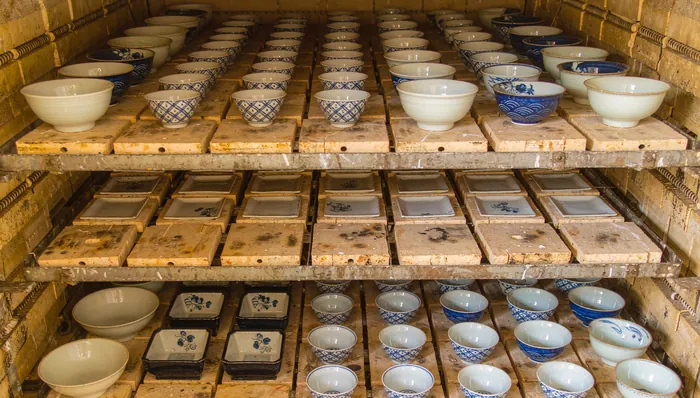
Coiled elements for ovens, dryers and heaters.
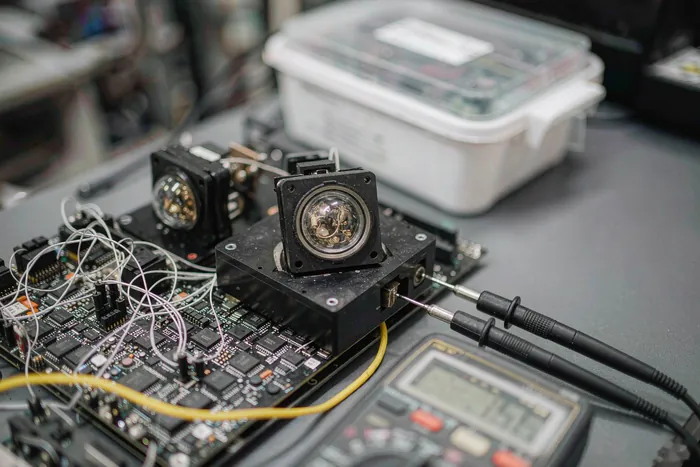
Elements that can be re-bent and repaired in the lab.
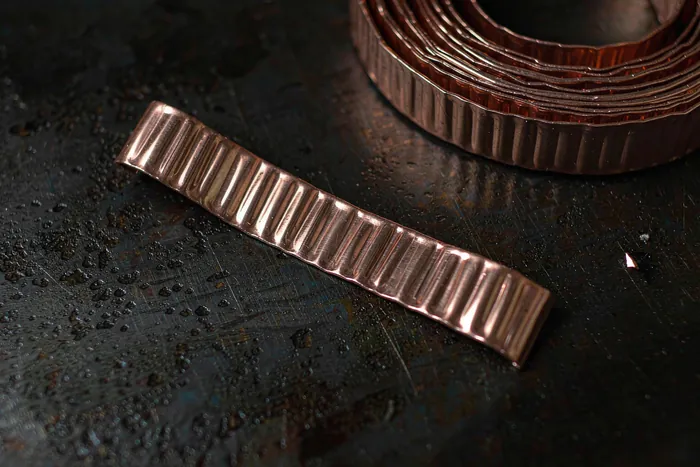
Stable resistance with low temperature coefficient of resistance.
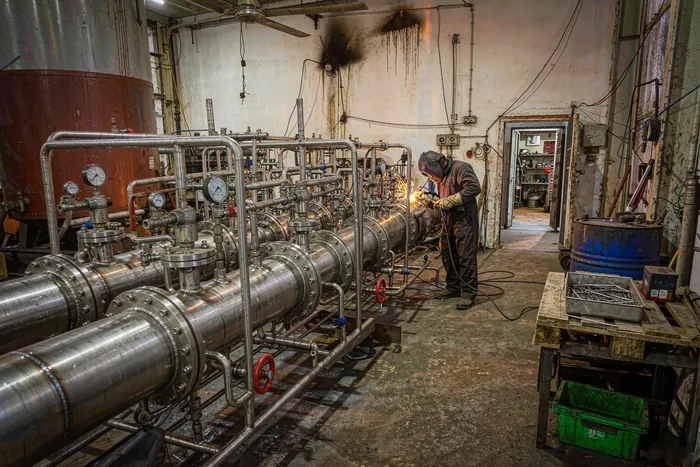
Small-diameter elements for tight geometry.
Resistance drift between lots is the most common cause of failed element qualification. We test every lot.
Ni80Cr20 through Ni70Cr30.
Measured, not quoted from a nominal table.
Surface free of cracks that shorten element life.
Tight coils without cracking.
Calculated from the lot resistivity.
Length and surface load returned with the quote.
In each case the element had already been designed, and the wire had to match the calculation.
Resistance per metre was held within 2% across 300 kg so the assembled element stayed inside its power tolerance without trimming.
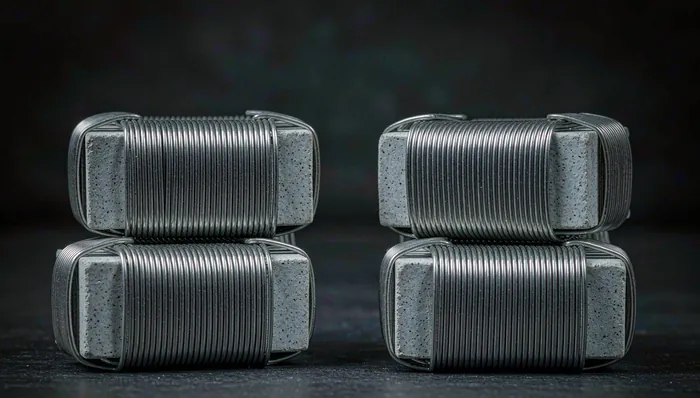
Spooled wire with a stated resistance per metre, so the winding length could be fixed in the process sheet.
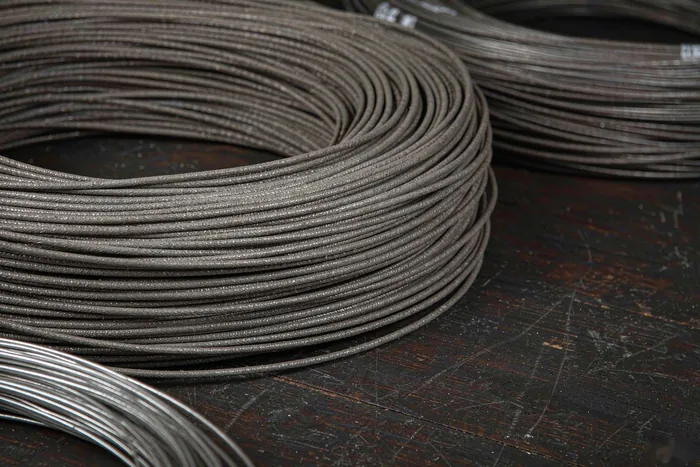
Elements that survive being re-bent during maintenance, supplied as coiled elements stress relieved before packing.
Tell us the power, voltage, chamber temperature and atmosphere — or send the element drawing. We calculate length and surface load, and quote within 24 hours.
The questions appliance and furnace engineers ask most.
Ni80Cr20 for 1200 °C and for elements that must stay ductile after service; Ni60Cr15 to reduce cost where 1150 °C is enough.
The element power is set by resistance. A 3% resistivity difference changes the wattage of a finished element by about 3%, which can push it outside tolerance.
Yes, readily, unlike FeCrAl. Spot and TIG welding are both used for terminal connections.
Sulphur and reducing atmospheres, excessive surface load, and mechanical damage to the oxide layer during handling.
Yes, where the first heating cycle must not shift resistance. Ask before ordering if the element is calibrated.
From 5 kg for fine sizes; 25 kg for standard element diameters.