Chemical · featured
ERNiCrMo-3 for 625 to carbon steel
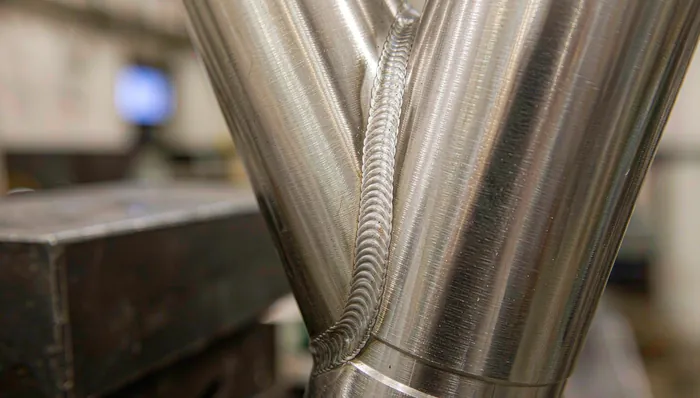
A nozzle joint cracking in service was re-qualified with ERNiCrMo-3 and a controlled interpass temperature below 150 °C.
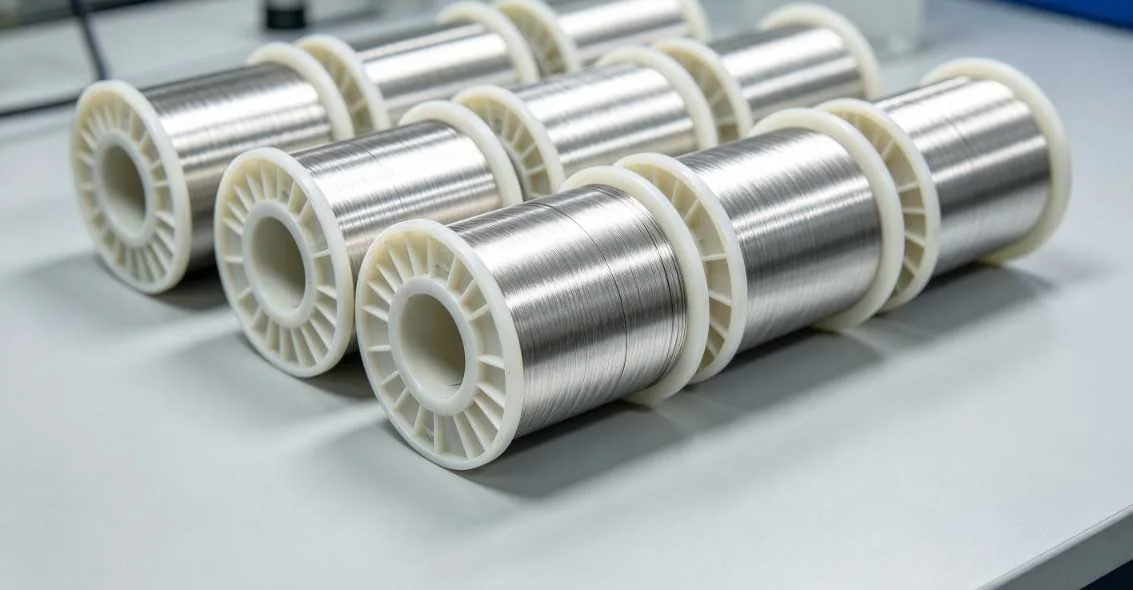
ERNi-1, ERNiCr-3, ERNiCrMo-3 and ERNiCrMo-4 to AWS A5.14, in TIG rods and MIG spools. Matched to the base metal, not to what happens to be in the stores — because a nickel weld is usually a repair you only get one chance at.
Nickel alloy welds fail for predictable reasons: the wrong filler for the base metal, too much heat input, or a filler that was not dried. ERNiCr-3 on Inconel 600 gives a sound joint; ERNiCrMo-3 on the same joint is a mismatch that shows up as cracking after a few thermal cycles.
We supply filler wire matched to the base metal with the AWS classification printed on the certificate, plus the deposit chemistry per batch. If you are welding a dissimilar joint, send both base metals and we confirm the filler before you qualify the procedure.
The filler is chosen by base metal and service, and by whether the joint is a repair or a fabrication.
For Ni200 / Ni201 base metal and nickel-to-steel joints.
The standard filler for Inconel 600, 601 and Incoloy 800, and for dissimilar joints.
Matching filler for 625, and for duplex-to-carbon-steel joints. On 718 it is a common repair choice, but it does not age-harden to the parent metal — specify ERNiFeCr-2 where full 718 strength is required.
Matching filler for Hastelloy C-276 and C-22 in corrosive service.
TIG rods for root passes and repairs, MIG spools for production, strip for automated cladding.
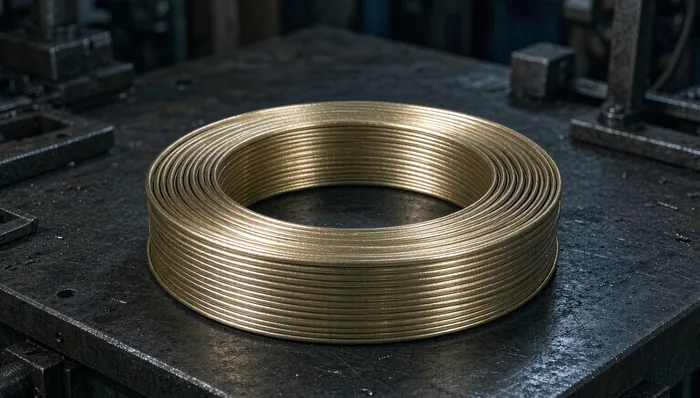
Cut to 1 m, packed in sealed tubes so the surface stays clean until the arc starts.
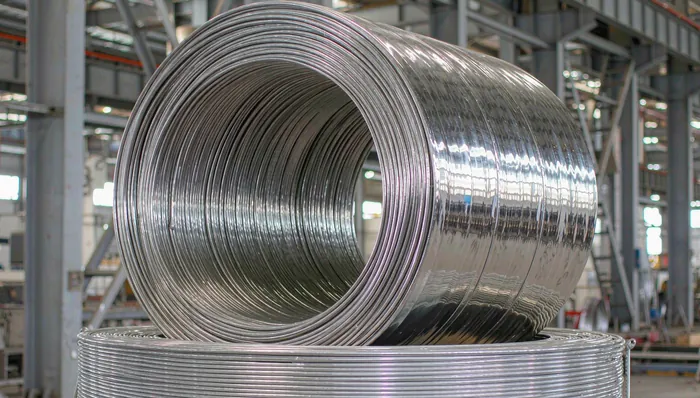
Layer wound on 12.5 kg spools with consistent cast and helix for automatic feeding.
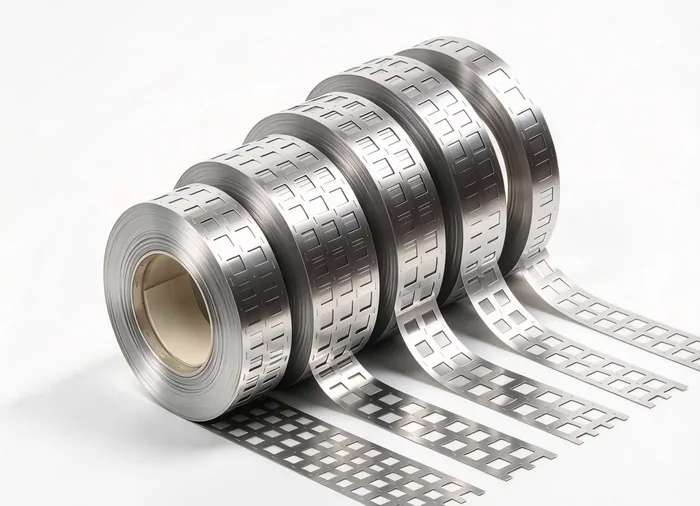
Strip and preformed rings for tube-to-tubesheet and automated TIG.
Welding a dissimilar joint and unsure which filler? Send both base metals and the service — we confirm the filler and the heat input.
Ask for a filler recommendation →Each filler is classified to AWS A5.14 and supplied with the deposit chemistry for the batch.
Send the base metals and the service condition if the joint is dissimilar — the filler is confirmed before the WPS is written. Send your specification — our engineers confirm availability and test values before you order.
Filler wire is qualified on the deposit, not the wire. Values below are typical for the as-welded deposit and are confirmed per batch on the certificate.
Heat input matters as much as chemistry: nickel fillers are sensitive to high heat input and to contamination, so clean preparation is part of the specification.
As welded, typical
As welded, typical
As welded
Austenitic nickel deposit
Nickel fillers
TIG / MIG
Nickel filler contamination shows up as porosity that no parameter change will fix.
Rods protected until opening.
TIGConsistent feed for orbital and robotic.
MIGDeposit chemistry per batch.
DocumentationMoisture barrier for export.
Exportto drawing for automatic TIG.
AutomationFor OEM and rebrand supply.
OEMStore opened tubes dry. Nickel fillers pick up moisture and contamination from the workshop atmosphere, and both appear as weld porosity.
Five controlled steps, each with a named output — so nothing is agreed verbally and lost between shifts.
We check grade, size, temper, tolerance, packing and delivery date against what the drawing actually needs — and flag anything the process cannot hold.
ERNiCr-3 / ERNiCrMo-3 confirmed against your existing grade number, with datasheet and typical test values issued before the order is placed.
Drawn to final diameter with a clean, lubricant-free surface — contamination here shows up as porosity.
Degreased, dried and packed in sealed tubes or on layer-wound spools.
Chemistry, mechanical properties, dimensions and surface checked against the order, then packed for export with the documents inside the case.
Four joining situations where a stainless filler would fail.
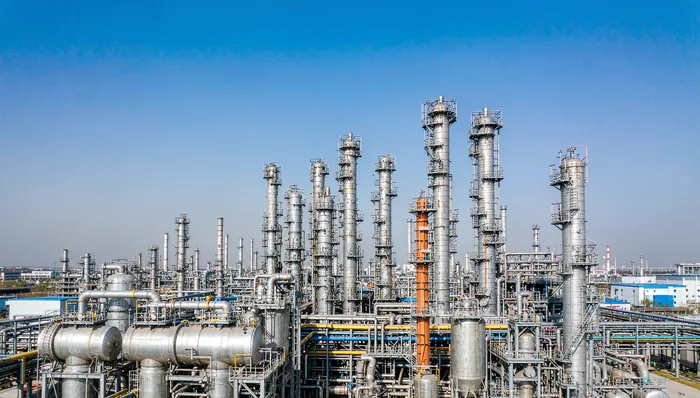
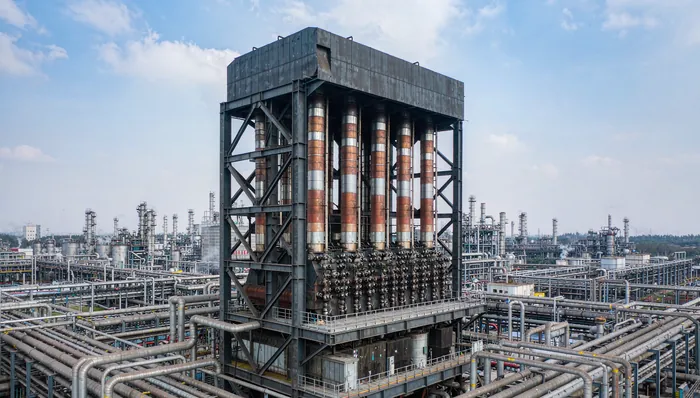
Matching filler for 600, 625 and C-276 equipment.
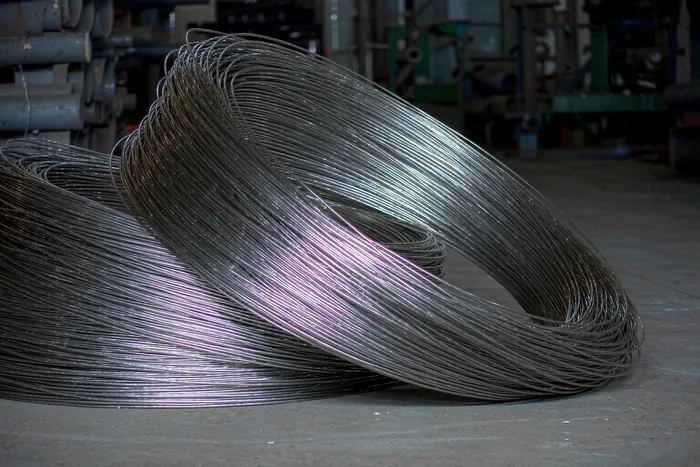
Nickel fillers keep toughness at −196 °C.
Nickel-to-steel transitions in boilers and turbines.
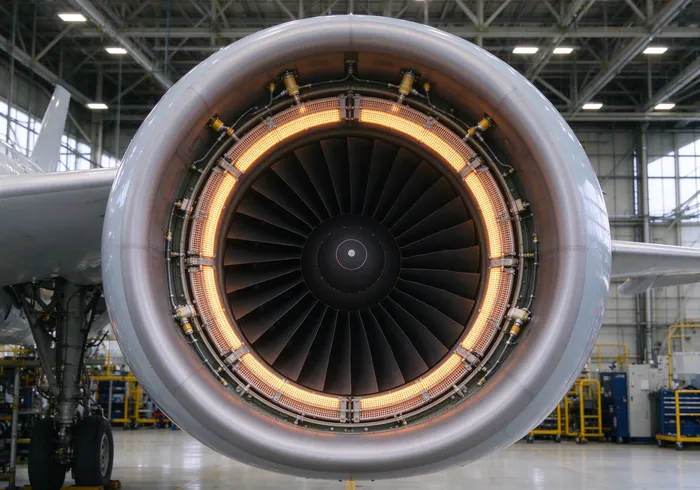
Matching filler for repair and fabrication of age-hardened parts.
A nickel weld is usually a repair or a pressure boundary. There is no second attempt.
We confirm the classification before you write the WPS.
Printed on the certificate with the batch chemistry.
Contamination is the main cause of nickel weld porosity.
Stable feeding for orbital and robotic welding.
For procedure qualification records.
Trial tubes and production spools.
In each case the filler was changed after the base metals and service were reviewed.
A nozzle joint cracking in service was re-qualified with ERNiCrMo-3 and a controlled interpass temperature below 150 °C.

Nickel tank welding with ERNi-1, tested for impact toughness at −196 °C.
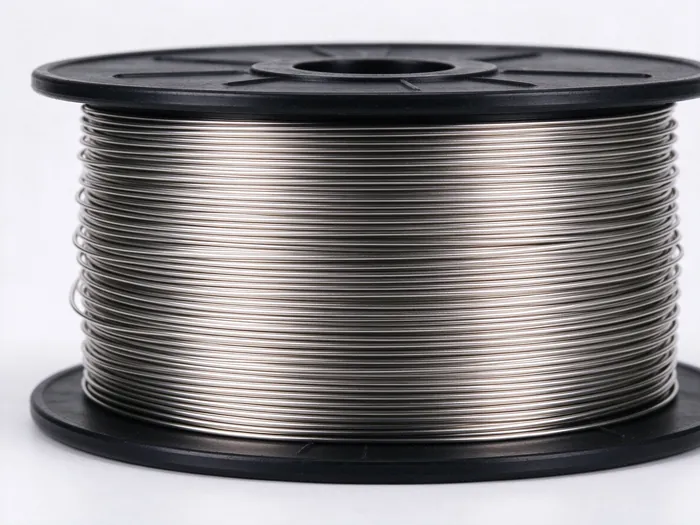
600-to-stainless transition welded with ERNiCr-3, with the WPS qualified on deposit chemistry rather than wire chemistry.
Tell us the base metals, thickness, process and service. We confirm the filler classification and quote rods or spools within 24 hours.
What welding engineers ask before qualifying a nickel procedure.
ERNiCr-3 is the standard matching filler. ERNiCrMo-3 is used where higher strength or corrosion resistance is needed, but it is not a direct match.
Yes for dissimilar joints, usually ERNiCr-3 or ERNiCrMo-3, with controlled heat input and a buttered layer where dilution is a risk.
Almost always contamination: moisture, oil, or the wrong shielding gas. Store rods sealed and clean the joint to bright metal.
Low. Keep interpass below 150 °C and use stringer beads rather than weaving.
Yes. The certificate carries the classification plus the deposit chemistry for the batch.
From 5 kg, one tube of TIG rods or one MIG spool.