Battery management · featured
Constantan shunt wire
A BMS maker needed 0.3 mm wire with resistance per metre stated to 1%, so the shunt value could be set by length without trimming.
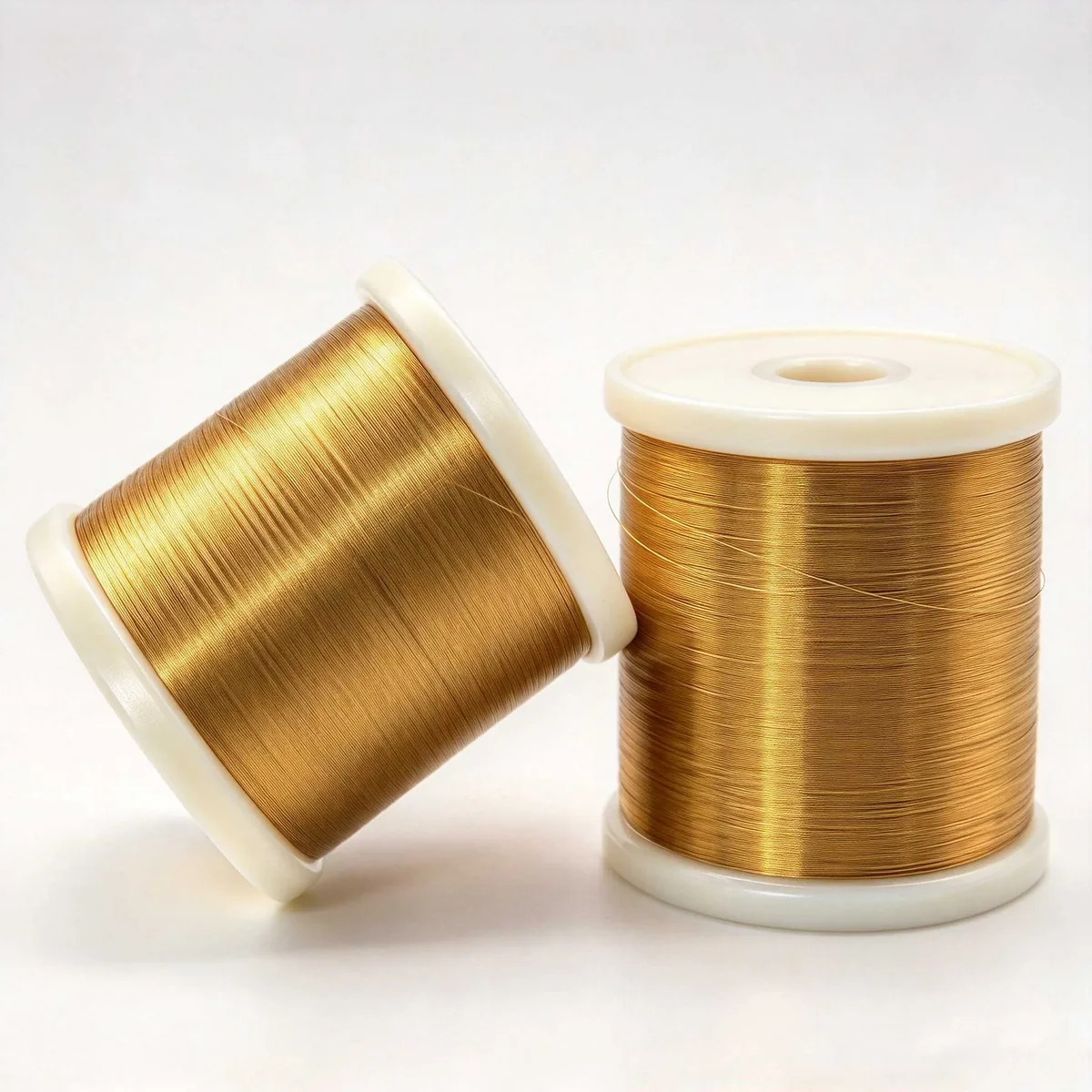
Low temperature coefficient resistance alloys drawn to 0.02 mm. Constantan for shunts and thermocouples, Manganin for precision resistors, where a 20 ppm drift is the difference between passing and failing.
Constantan holds resistance across a wide temperature range and generates a predictable EMF against copper and iron, which is why it appears in shunts and in type J and T thermocouples. Manganin goes further, with a temperature coefficient close to zero around room temperature.
For precision work the temperature coefficient matters as much as the resistivity, so we report both per lot. If your design assumes 0.49 µΩ·m and the lot measures 0.50, the calibration will be out before the part leaves the bench.
Resistivity, TCR and thermoelectric behaviour separate these alloys, not temperature resistance alone.
0.49 µΩ·m with a moderate TCR, widely used for current shunts.
Near-zero TCR near room temperature for standard resistors and calibration.
Type J against iron and type T against copper, with published EMF tables.
Lower resistivity for lower-value resistors and heating cables.
The final anneal sets TCR, so drawing and annealing are scheduled as one operation on these alloys.
Drawn and annealed to a stable TCR, with resistance per metre measured on the finished spool.
Supplied annealed or hard, with EMF conformity stated for thermocouple use.
Heavier sections for load banks and braking resistors.
Need a TCR window tighter than standard? Tell us the coefficient and the temperature range — we confirm before quoting.
Discuss the TCR limit →Each has a different stability window; the application usually picks the alloy for you.
Thermocouple-grade Constantan is supplied against EMF conformity rather than resistance alone — state the thermocouple type. Send your specification — our engineers confirm availability and test values before you order.
Resistivity sets the element value; the temperature coefficient sets how much it moves. Both are reported per lot, because a nominal figure cannot be used for calibration.
For thermocouple use, EMF conformity against the standard table is the acceptance criterion, not TCR.
P4 and P5 are our in-house diameter-tolerance classes, not ISO 286 IT grades or a GB/T designation: P5 is the general-purpose band and P4 the tighter precision band — at 1.0 mm roughly ±2% and ±1% of diameter, which is about ±4% and ±2% on resistance. The band that applies to your order is printed on the quotation.
At 20 °C
0–100 °C
At 20 °C
20–50 °C
At 20 °C
Fine wire
Insulation and winding tension change the measured value; packaging is part of the accuracy chain.
Stable TCR and predictable winding.
StandardHigher strength for self-supporting coils.
CoilsSolderable insulation for windings.
On requestClean surface for soldering and welding.
StandardLayer wound for winding machines.
PackagingMoisture barrier for calibration stock.
CalibrationFor calibration stock, ask for the resistance per metre at 20 °C on the label rather than a nominal value.
Five controlled steps, each with a named output — so nothing is agreed verbally and lost between shifts.
We check grade, size, temper, tolerance, packing and delivery date against what the drawing actually needs — and flag anything the process cannot hold.
Constantan / Manganin confirmed against your existing grade number, with datasheet and typical test values issued before the order is placed.
Drawn to final size with lubricant control, since surface contamination changes the measured resistance.
Annealing sets the temperature coefficient, which is then measured on the finished spool.
Chemistry, mechanical properties, dimensions and surface checked against the order, then packed for export with the documents inside the case.
Four applications where the alloy is chosen for stability rather than temperature resistance.
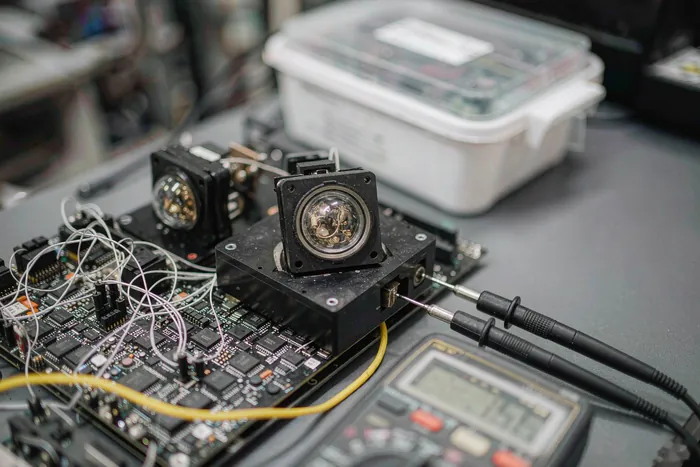
Constantan shunts with a predictable coefficient.
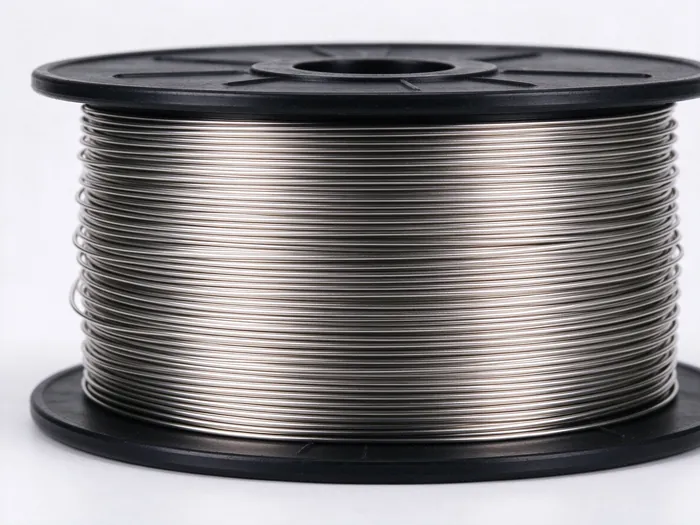
Manganin for standards and calibration benches.
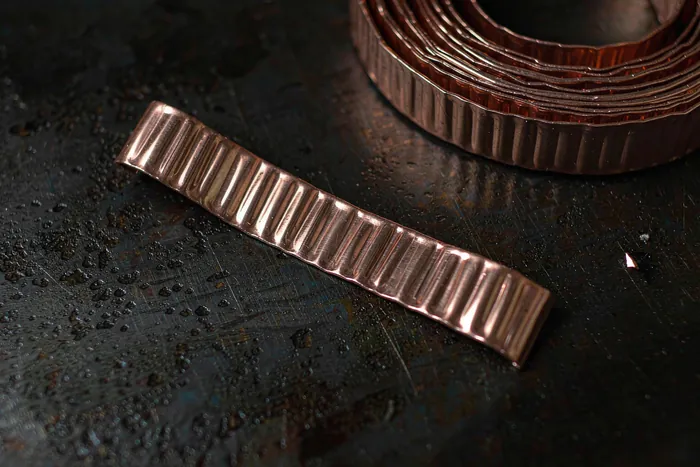
Type J and T negative legs to published EMF tables.
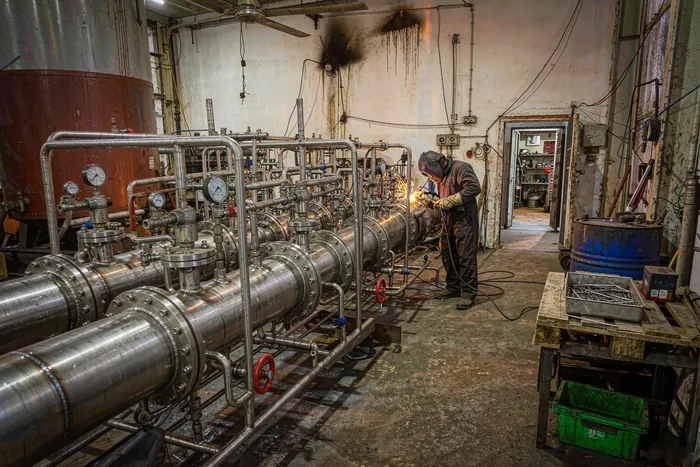
Heavier sections for energy absorption.
These alloys are bought by the number. A certificate without measured values is not usable.
Constantan, Manganin and CuNi23.
Both reported per lot.
In-line diameter control on wet lines.
TCR set by the final heat treatment.
Supplied against the standard table for type J and T.
Calibration spools and production lots.
Each customer needed measured values, not nominal ones.
A BMS maker needed 0.3 mm wire with resistance per metre stated to 1%, so the shunt value could be set by length without trimming.
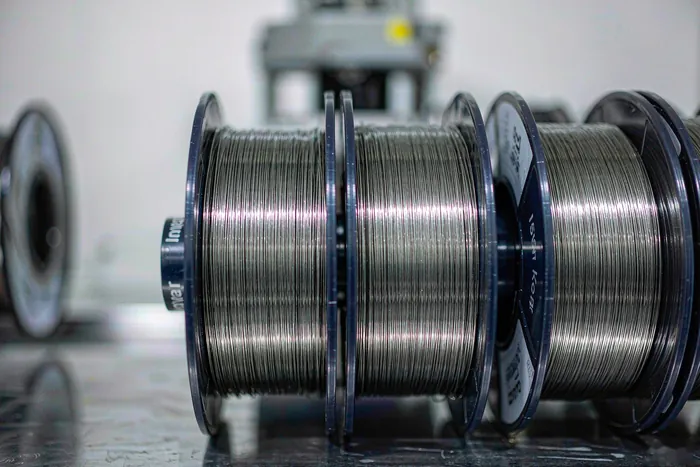
Wire supplied with TCR measured at 20–50 °C, so the resistor could be certified on receipt.
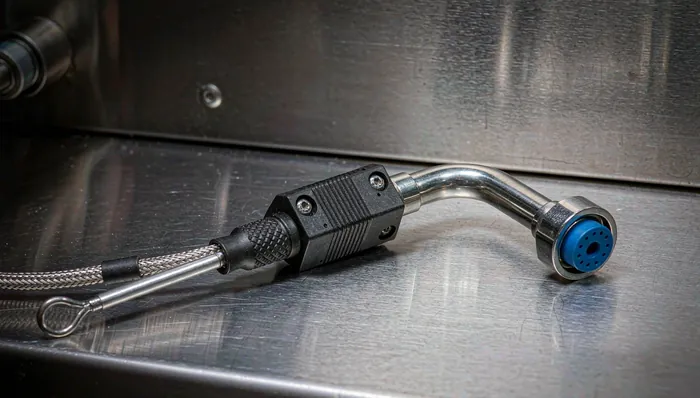
Constantan leg supplied against EMF conformity rather than resistance alone, paired with copper.
Tell us the alloy, diameter, resistance or TCR requirement and the quantity. We confirm the measured values and quote within 24 hours.
Questions about resistivity, TCR and thermocouple conformity.
Constantan for shunts and thermocouples where a moderate TCR is acceptable; Manganin where the coefficient must stay near zero around room temperature.
Yes, measured at 20 °C and printed on the label. That is what most shunt and resistor designs actually need.
Bare wire is solderable with an active flux; enamelled versions are available for windings.
Yes, against the EMF conformity of the relevant standard table. State type J or type T.
0.02 mm in Constantan and Manganin, spooled with tension control.
From 0.5 kg for fine sizes; 5–20 kg for standard diameters.