Heat exchange · featured
ERNiCr-3 rings for a 625 exchanger
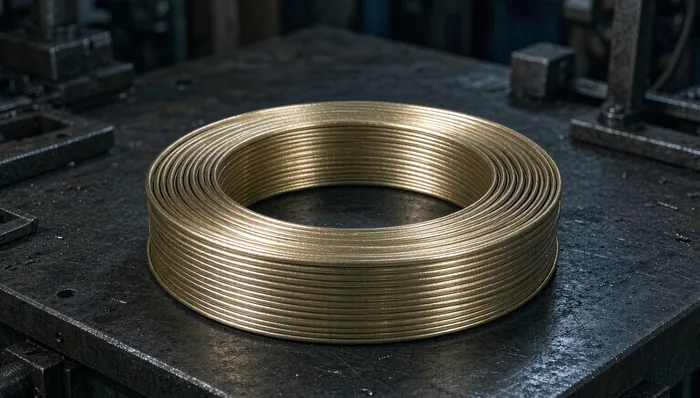
Rings formed to a 25.4 mm tube groove with a 0.15 mm gap, sequence packed so the welder loaded one bag per tube row.
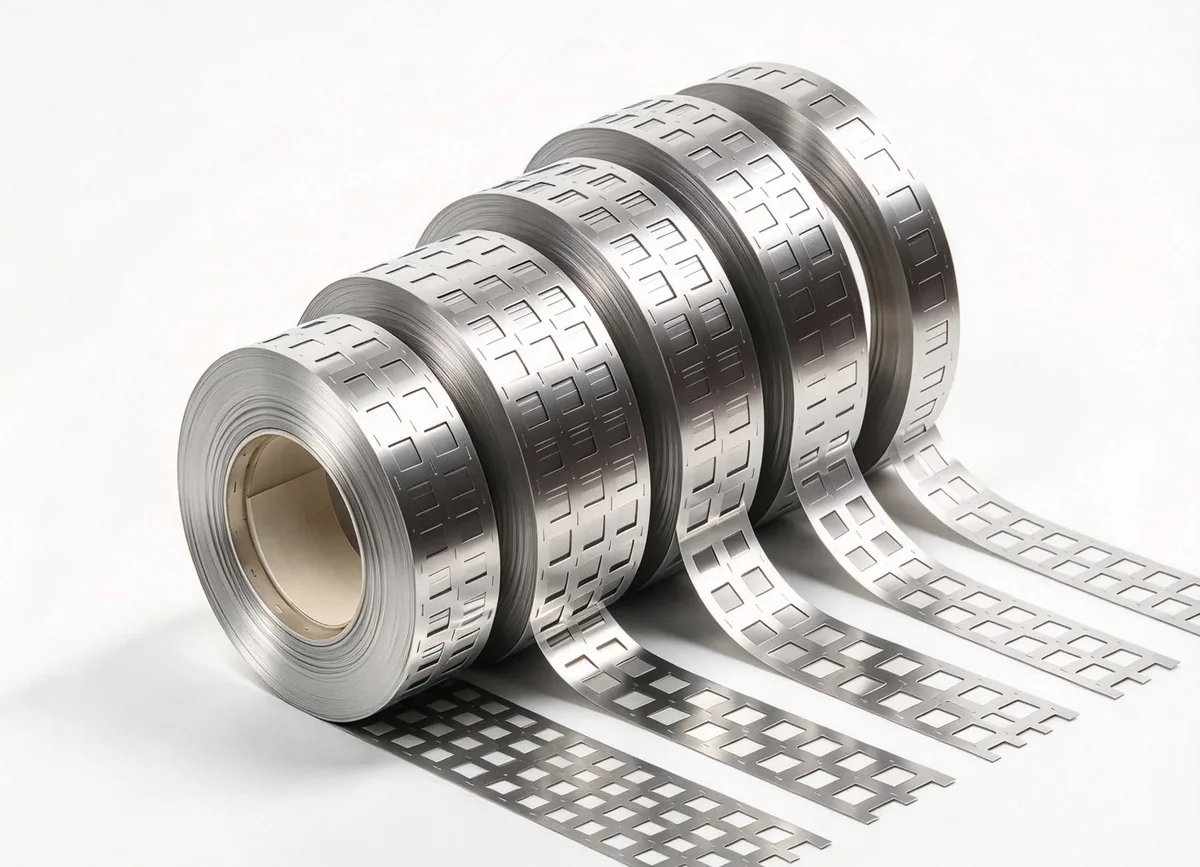
Strip and closed rings made to your joint geometry, in nickel alloy and stainless filler. For tube-to-tubesheet welding, where the ring has to sit flat, melt evenly and leave no unfused edge.
Automatic tube-to-tubesheet welding depends on the ring sitting in the groove with even contact. If the width varies by 0.1 mm or the ring is not flat, the arc wanders and the joint fails inspection.
We slit strip from the same heats as our filler wire, form rings to your drawing, degrease and pack them in sequence order. The certificate carries the heat number, so the ring can be traced back to the wire it came from.
The geometry decides the form: strip for cladding, rings for tube joints, inserts for narrow grooves.
Rolled strip for strip cladding and submerged arc welding.
Closed rings sized to the groove, matching the tube and tubesheet materials.
Preformed inserts for joints where a ring will not fit.
Rings bagged in the order they will be welded, so the operator cannot mix heats.
Slitting, forming and cleaning are done in sequence so the ring geometry is repeatable.
Slit from filler strip with burr controlled on both edges.
Formed to the groove diameter with a controlled gap or overlap.
Ultrasonically degreased and packed dry, so no pre-weld cleaning is needed.
Have a ring drawing with a groove tolerance? Send the joint detail — we confirm the ring geometry before production.
Send the ring drawing →The material follows the joint; the geometry follows the groove.
Send the tube OD, wall thickness and groove dimensions — ring geometry is quoted from those, not from a catalogue size. Send your specification — our engineers confirm availability and test values before you order.
Ring width and flatness decide arc stability in automatic TIG; thickness decides the amount of filler available for the joint.
Values below are standard; tighter limits are possible on formed rings where the groove demands it.
Slit from filler strip
Slit strip
Both edges
Formed ring
Closed ring
Degreased, dry
Automatic welding fails if the operator has to sort rings before loading the torch.
No pre-weld cleaning needed.
StandardEven arc, no arc wander.
EdgeBagged in weld order.
AutomationHeat number on each bag.
TraceabilityRings arrive flat.
LogisticsFor OEM supply.
OEMRings are packed flat in rigid trays. Deformation in transit is the most common reason a ring will not seat in the groove.
Five controlled steps, each with a named output — so nothing is agreed verbally and lost between shifts.
We check grade, size, temper, tolerance, packing and delivery date against what the drawing actually needs — and flag anything the process cannot hold.
ERNiCr-3 / ER316L confirmed against your existing grade number, with datasheet and typical test values issued before the order is placed.
Strip slit from filler coil with burr control, then formed to the groove diameter.
Ultrasonically degreased, dried and packed in weld sequence with heat labels.
Chemistry, mechanical properties, dimensions and surface checked against the order, then packed for export with the documents inside the case.
Four applications where automation needs the filler to be a part, not a wire.
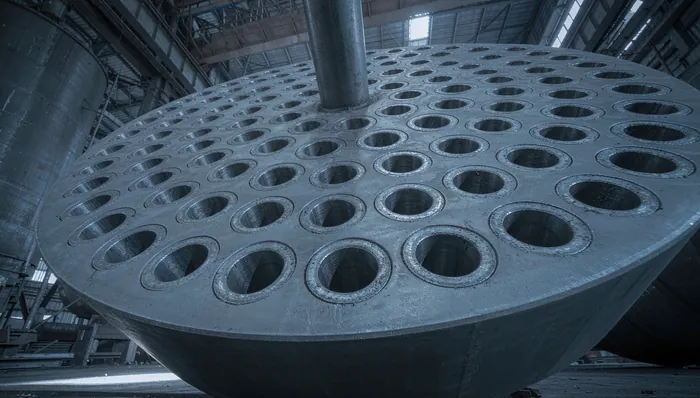
Closed rings for automatic TIG of heat exchanger tubes.

Nickel alloy rings for corrosion-resistant equipment.

Stainless and nickel rings for orbital welding.

Wide strip for overlay cladding of tubesheets.
A ring that does not seat cannot be fixed at the torch. The geometry has to be right at the slitter.
Burr controlled on both edges.
Closed, slit or overlap as the joint needs.
No pre-weld cleaning step in the shop.
Bags in the order they will be welded.
Ring traced back to the filler heat.
Trial sets and production quantities.
Each had already tried hand-fed filler and moved to rings for repeatability.
Rings formed to a 25.4 mm tube groove with a 0.15 mm gap, sequence packed so the welder loaded one bag per tube row.
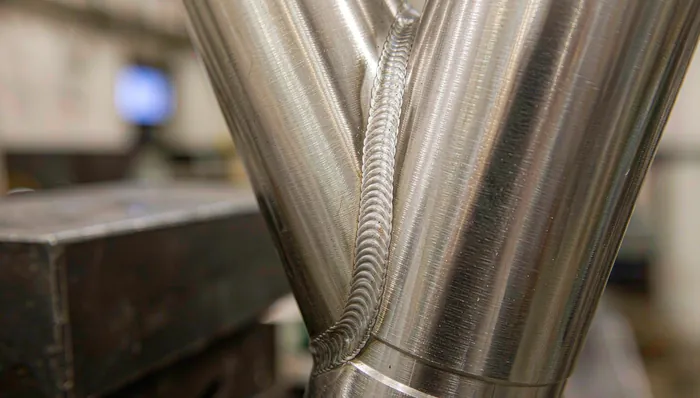
ER316L rings, ultrasonically cleaned, replacing hand-fed wire on an orbital cell.
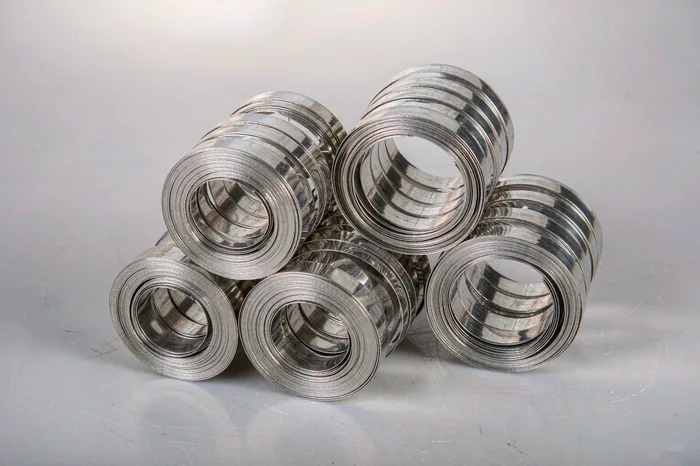
1.0 × 12 mm strip in ERNiCrMo-3 for automatic strip cladding of a tubesheet face.
Tell us the tube OD, wall thickness, groove dimensions, material and quantity. We quote ring geometry and packing within 24 hours.
Questions about preformed rings and strip for automated welding.
Send the tube OD, wall thickness and groove dimensions. Ring ID, width and gap follow from those, not from a catalogue size.
Closed for a tight fit in a machined groove; slit where spring fit is needed to hold the ring in place before welding.
±0.05 mm on slit strip, with burr below 0.02 mm on both edges.
Yes, ultrasonically degreased and packed dry, so no pre-weld cleaning is needed.
Yes, sequence packed and labelled with the heat number, which is what automatic cells need.
From 50 rings, or 5 kg of strip.