Chemical · featured
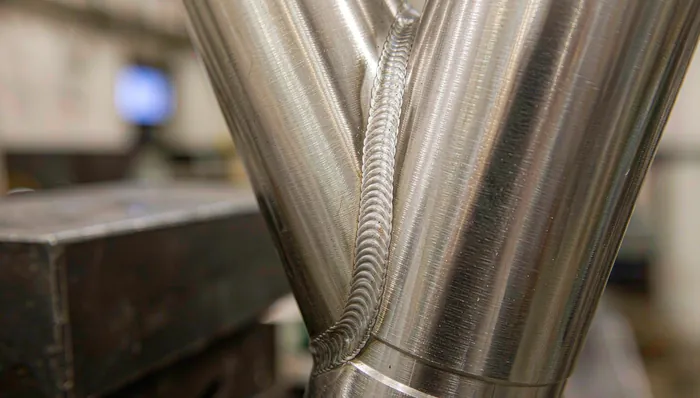
Cracking in a 625 weld
Root cracking traced to 2.6 kJ/mm heat input. Reducing to 1.2 kJ/mm and capping interpass at 150 °C solved it with the same ERNiCrMo-3 filler.
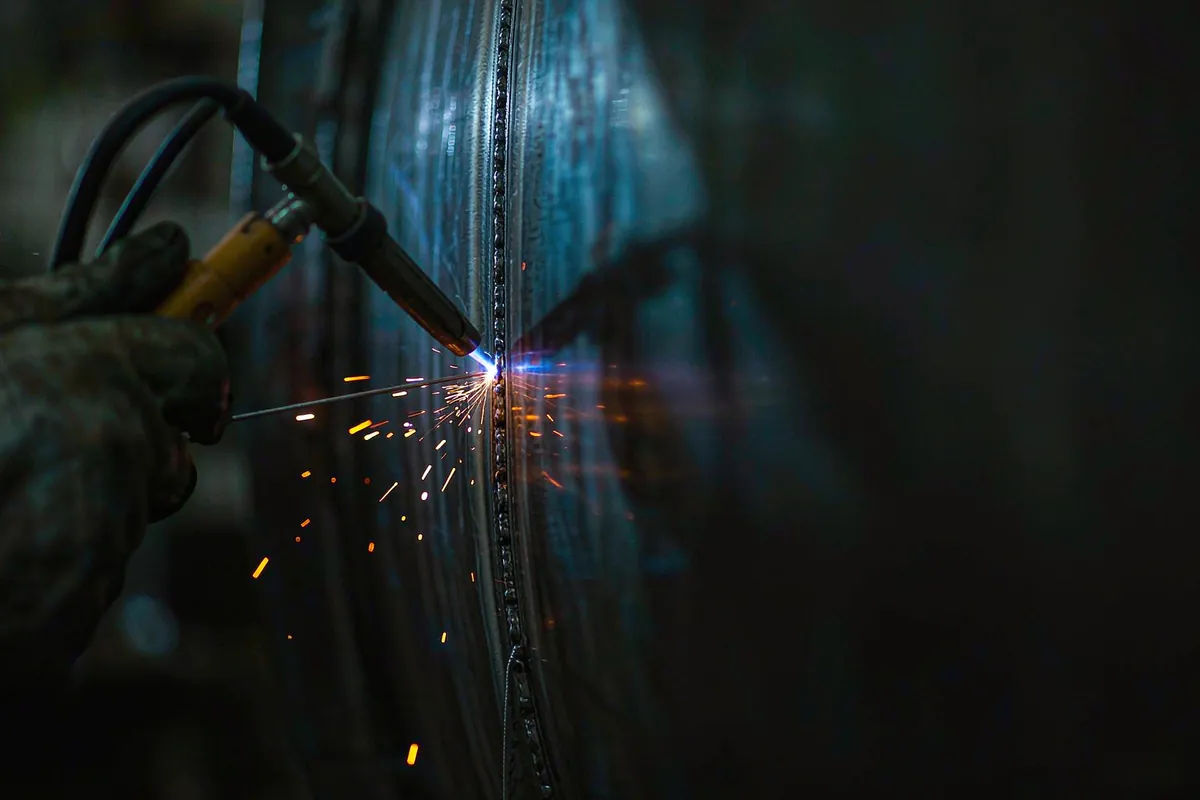
Filler selection, heat input, shielding gas and groove preparation for nickel and stainless joints. Included with the order, because a correct filler welded with the wrong parameters still fails inspection.
A customer switches to ERNiCrMo-3 to fix cracking, and the cracking continues — because the heat input was 2.5 kJ/mm and the interpass was never measured. The filler was right; the process was not.
We review the joint, the base metals and the process before the wire ships, and put the recommendation in writing. If a joint fails, send the sample and we check the deposit chemistry against the filler batch before anyone blames the material.
Filler, heat input, gas and preparation — in that order, because each one can invalidate the last.
Both base metals, the dilution and the service condition decide the classification.
Nickel and duplex fillers are sensitive; limits are written into the WPS.
Argon or Ar + He for TIG; Ar + 2% CO₂ for MIG stainless; purge on root passes.
Bright metal, no oil or moisture; nickel welds show every contaminant as porosity.
Support covers the processes our fillers are used in, from manual TIG to automatic SAW.
Current ranges, gas flow, purge and rod size for each diameter.
Wire feed, voltage trim, gas mix and travel speed for the joint type.
Flux matching, current and travel speed for thick-section and cladding work.
Have a joint failing inspection and no obvious cause? Send the sample and the parameters — we check deposit chemistry first.
Ask for a failure review →Support is included with filler orders; it is not a substitute for procedure qualification by a certified body.
Procedure qualification (PQR) must be witnessed by a qualified body; we supply the input data, not the certificate. Send your specification — our engineers confirm availability and test values before you order.
Values below are starting points for common joints and are adjusted to thickness and position. They are written into the recommendation sent with the quote.
These are working limits, not a substitute for a qualified WPS. Nickel and duplex alloys punish excess heat input more than carbon steel does.
2.4 mm ERNiCr-3
1.2 mm ERNiCrMo-3
Nickel and duplex
All nickel fillers
TIG / MIG
Root passes
A verbal parameter recommendation is not usable in a workshop audit.
Sent with the quotation.
StandardParameters your QA can file.
DocumentationDeposit analysis per batch.
MTROn request for duplex.
ReportSample-based, short report.
Problem solvingParameters adjusted after first articles.
SupportSupport is included with filler orders. Send the joint detail at enquiry stage — the recommendation is more useful before the WPS is written than after.
Five controlled steps, each with a named output — so nothing is agreed verbally and lost between shifts.
We check grade, size, temper, tolerance, packing and delivery date against what the drawing actually needs — and flag anything the process cannot hold.
TIG / MIG / SAW confirmed against your existing grade number, with datasheet and typical test values issued before the order is placed.
Base metals, thickness, position and service reviewed together, because each one changes the filler or the parameters.
Current, gas, heat input and interpass written into a recommendation your QA can file.
Chemistry, mechanical properties, dimensions and surface checked against the order, then packed for export with the documents inside the case.
Each is a case where the filler was already correct and the process was not.
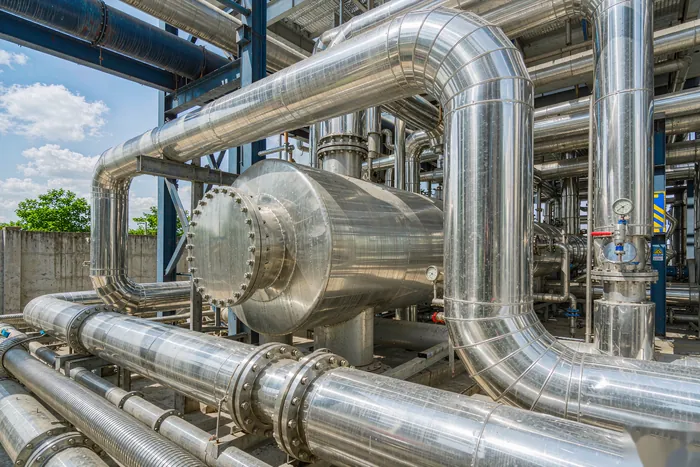
Filler and heat input for 600, 625 and C-276 joints.
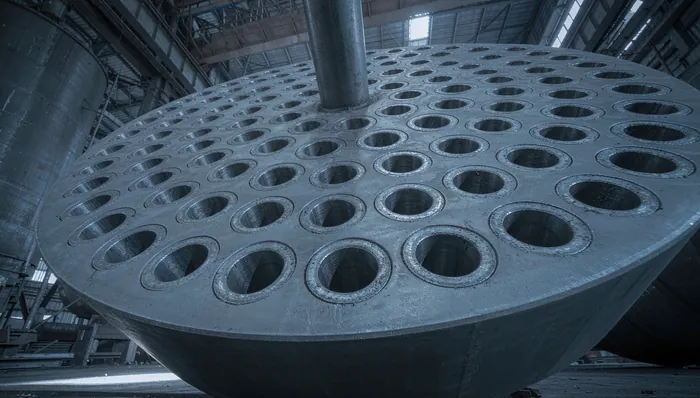
Orbital parameters and ring geometry together.
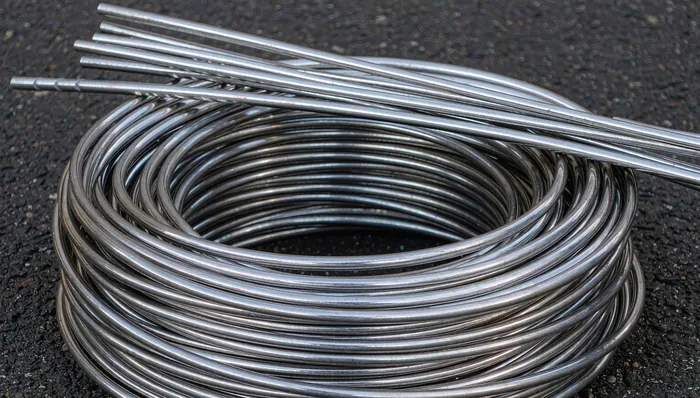
Heat input and ferrite control for 2205 and 2507.
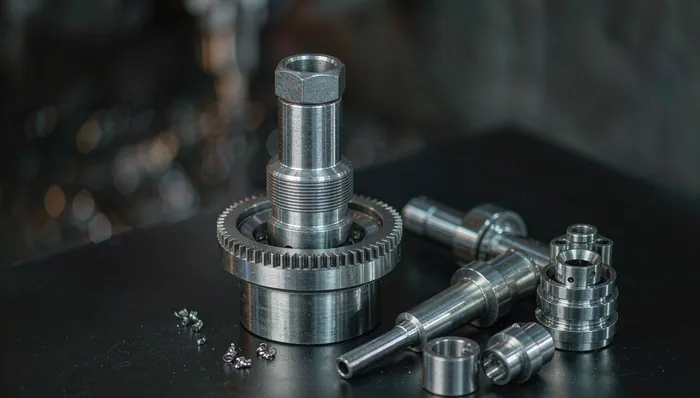
Deposit chemistry checked before the material is blamed.
Selling wire without parameters leaves the customer to solve the harder half alone.
Filler confirmed against dilution, not just the parent.
Current, gas and travel speed in writing.
Written into the recommendation for the WPS.
Chemistry checked before the material is blamed.
Recommendation sent with the quotation.
No separate engineering charge on filler orders.
In each case the material was correct and the process was not.
Root cracking traced to 2.6 kJ/mm heat input. Reducing to 1.2 kJ/mm and capping interpass at 150 °C solved it with the same ERNiCrMo-3 filler.
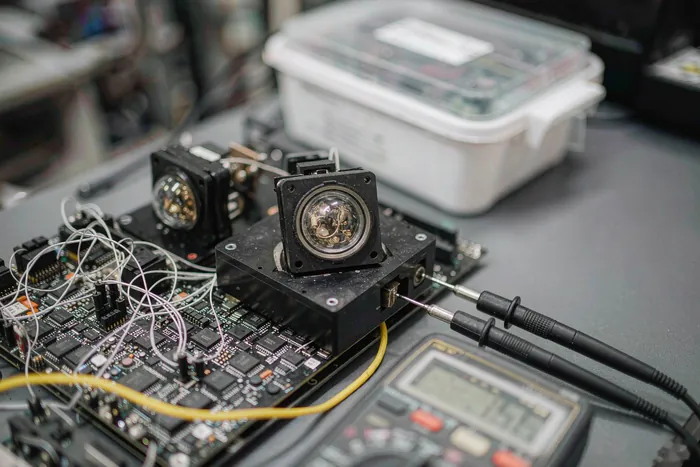
A 2209 deposit measured 30 FN. Travel speed and heat input were adjusted to bring ferrite into the 35–55% window without changing the wire.
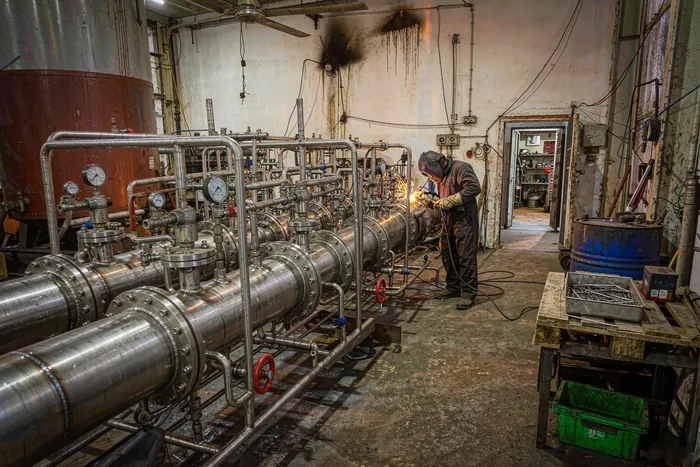
Deposit chemistry matched the batch; the cause was moisture in an opened tube left on the bench overnight. Packing and storage advice fixed it.
Tell us the base metals, thickness, position and process. We return a filler recommendation and the parameters to weld it, with the quotation, within 24 hours.
Questions that come up before a nickel or duplex procedure is qualified.
Yes, with filler orders. We do not charge separately for selection and parameter advice.
We supply the input data — filler, current range, gas, heat input, interpass. The WPS is issued and qualified by your organisation or a certified body.
0.5 to 1.5 kJ/mm with interpass below 150 °C as a starting point, adjusted to thickness and position.
Usually contamination or moisture. Send the sample and we compare deposit chemistry against the filler batch before assuming the material is at fault.
Yes, including flux matching for nickel and stainless strip cladding.
Within 24 hours, Monday to Saturday, for a complete enquiry with base metals and joint detail.