Sintering · featured
0Cr27Al7Mo2 for a 1350 °C furnace
Elements were failing at 4 months. Reducing surface load from 5 to 3 W/cm² and switching to 0Cr21Al6Nb at the same diameter extended life past 18 months.
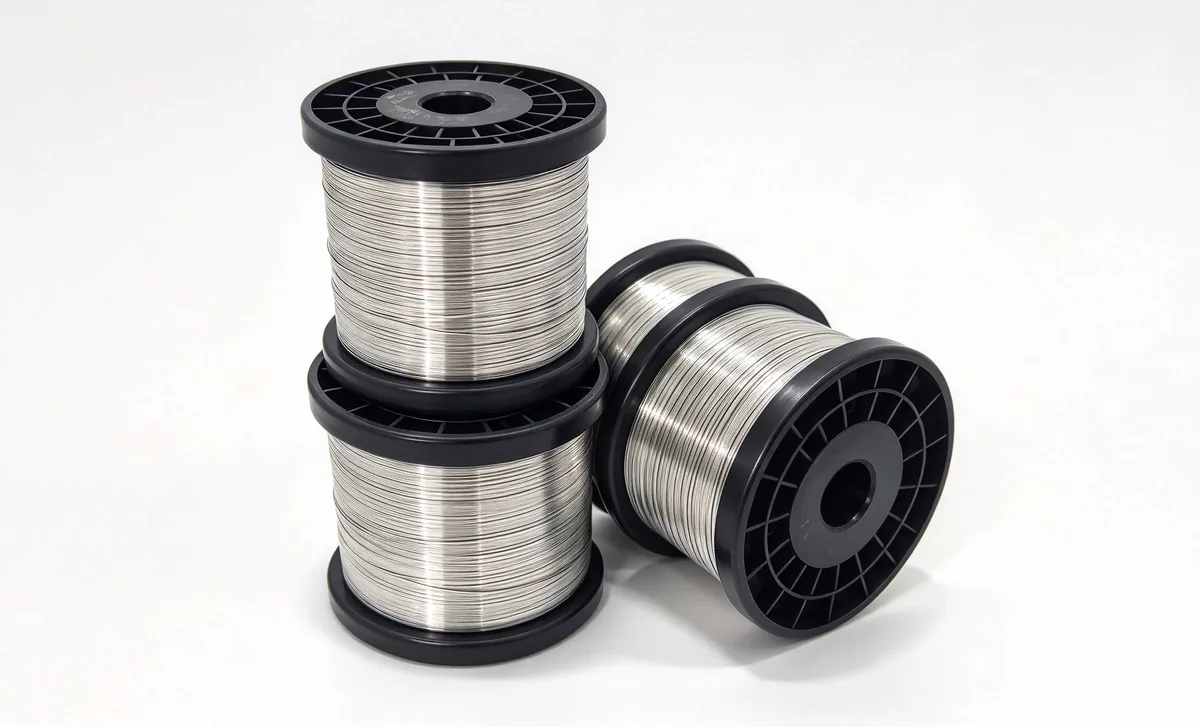
FeCrAl grades selected for continuous high-temperature duty, supplied with the surface-load calculation rather than a wire diameter alone. Because at 1300 °C the design, not the alloy, decides how long it lasts.
A 1300 °C furnace fails at the element, and the element usually fails because the surface load was set by habit rather than calculation. The same wire at 3 W/cm² will outlast the same wire at 6 W/cm² by a factor of two or more.
We quote high-temperature element wire together with the surface load and the support spacing, because those two numbers matter more than whether the grade is 0Cr25Al5 or 0Cr27Al7Mo2.
Choose by element temperature, atmosphere and how often the furnace cycles.
Highest-temperature FeCrAl for sintering and ceramic firing.
Niobium for creep strength and sag resistance on long horizontal elements.
The standard grade where the duty is continuous and the atmosphere is clean.
The single biggest lever on element life at temperature.
Supplied as wire, as coiled elements, or as finished zig-zag elements to drawing.
Straightened and cut, annealed for bending on site.
Wound to your resistance and stress relieved before packing.
We check the surface load, support spacing and atmosphere against the grade.
Have a failed element and a target life? Send the drawing and the failure — we check the surface load first.
Ask for a failure review →The grade sets the ceiling; the element design sets the life within it.
Send the element drawing with the chamber temperature and atmosphere — the surface load is calculated before the wire is cut. Send your specification — our engineers confirm availability and test values before you order.
Surface load is the accepted predictor of FeCrAl element life at temperature. The values below are starting points for oxidising atmospheres and clean furnace conditions.
In reducing, carburising or contaminated atmospheres the allowable temperature and surface load both drop. Tell us the atmosphere before the design is fixed.
1300 °C, continuous
1200 °C, continuous
0Cr27Al7Mo2
0Cr21Al6Nb at 20 °C
FeCrAl, typical
Drawn wire
At this temperature the supplied condition and the support design decide whether the element survives the first cycle.
Bendable on site for repairs.
StandardWound and stress relieved.
ElementFormed to drawing.
ElementFor heavy sections.
HeavySpacing and material advice.
DesignNo bending in transit.
LogisticsElements are packed flat in rigid crates. FeCrAl is brittle after service — handle warm and support the element when removing it.
Five controlled steps, each with a named output — so nothing is agreed verbally and lost between shifts.
We check grade, size, temper, tolerance, packing and delivery date against what the drawing actually needs — and flag anything the process cannot hold.
0Cr27Al7Mo2 / 0Cr21Al6Nb confirmed against your existing grade number, with datasheet and typical test values issued before the order is placed.
Drawn with inter-pass annealing to keep the section sound at high temperature.
Coiled or formed to drawing, then stress relieved before packing.
Chemistry, mechanical properties, dimensions and surface checked against the order, then packed for export with the documents inside the case.
Four applications where 1300 °C is routine rather than exceptional.
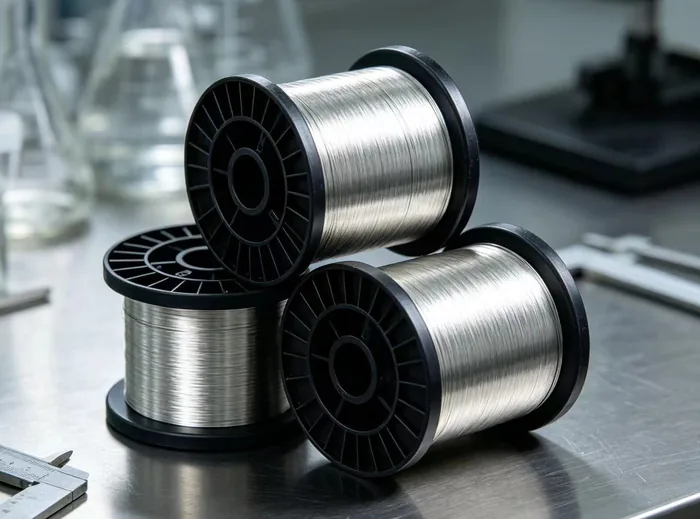
Continuous 1300 °C with a clean oxidising atmosphere.
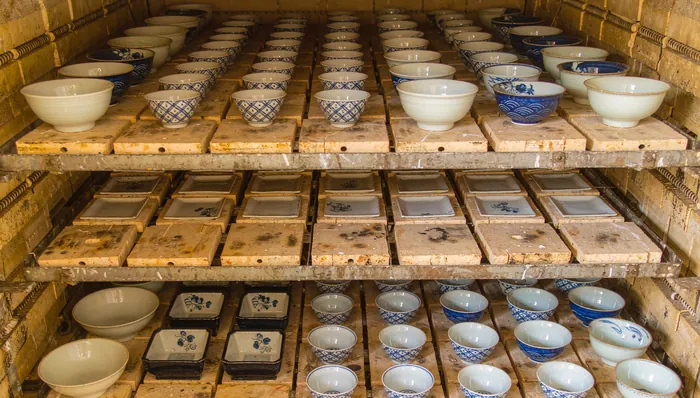
Long cycles at temperature with repeated loading.
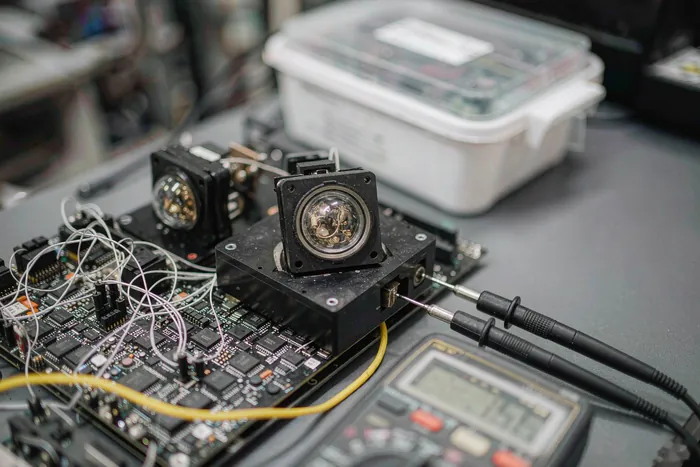
Small elements that must hold resistance precisely.
Elements near the melt where contamination matters.
At 1300 °C, the difference between two years and two months is usually the surface load.
The highest-temperature FeCrAl, not a substitute grade.
Sent with the quotation, not on request.
Formed to drawing and stress relieved.
Power of the finished element stays in tolerance.
No bending damage in transit.
Send a failed element and we check the design.
Each began with an element that failed early, and ended with a design change.
Elements were failing at 4 months. Reducing surface load from 5 to 3 W/cm² and switching to 0Cr21Al6Nb at the same diameter extended life past 18 months.
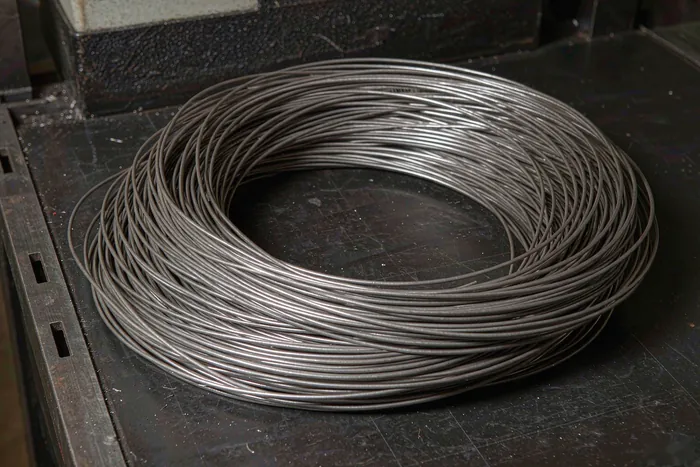
Wound to the customer resistance, stress relieved, packed flat so the coils arrived round.
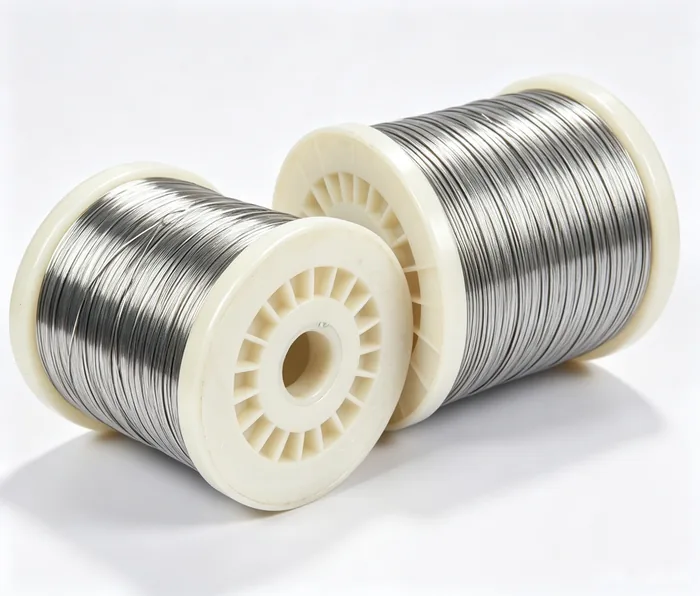
Resistivity held within 2% so the controller could be calibrated once for a batch of furnaces.
Include the chamber temperature, atmosphere, power and support spacing. We calculate the surface load and quote wire or finished elements within 24 hours.
Questions that decide whether an element lasts two years or two months.
It is the watts dissipated per unit of element surface. Above the recommended value the oxide layer breaks down and the element fails early, whatever the grade.
0Cr25Al5 is adequate in clean oxidising air; 0Cr21Al6Nb where sag resistance matters, and 0Cr27Al7Mo2 for 1350–1400 °C.
Only with a significant temperature derating. Tell us the atmosphere and we reduce the allowable temperature and surface load.
Yes, coiled or zig-zag to drawing, stress relieved before packing.
FeCrAl embrittles after service and after rapid cooling. Handle elements warm and avoid bending below three times the wire diameter.
1–2 weeks for wire; 3–4 weeks for coiled or formed elements to drawing.