Heat treatment · featured
625 basket wire for a 1050 °C furnace
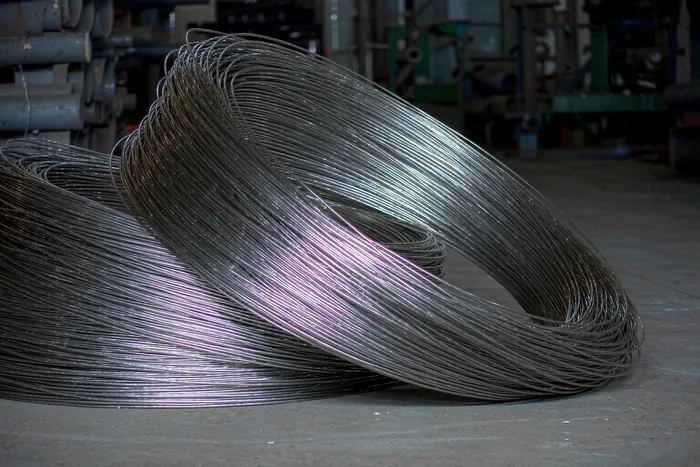
A heat treater was replacing baskets every six weeks. 625 wire at 3.2 mm, annealed, extended the change interval without altering the fixture design.
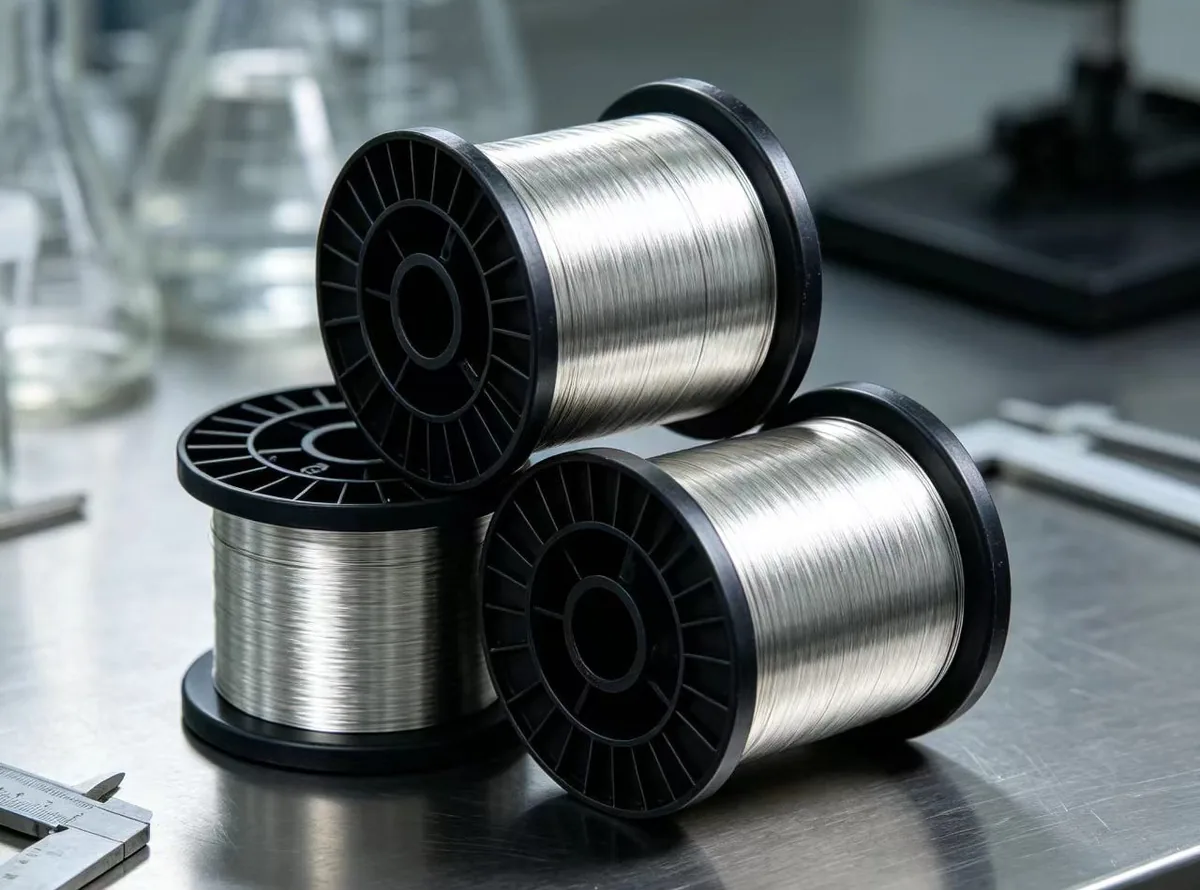
Inconel 600, 601, 625, 718 and X-750 drawn to 0.1 mm, solution annealed or aged to your condition. Supplied against AMS and ASTM specs with the heat treatment condition written on the certificate.
Austenitic stainless steel keeps its strength to about 550 °C, then creeps and oxidises. Nickel superalloys hold structure to 700–1100 °C because the gamma-prime phase and the chromium oxide layer do different jobs: one carries load, the other blocks oxidation.
That behaviour only appears if the heat treatment is right. A 718 wire annealed but not aged is soft and will not reach its specified strength, however correct the chemistry. We supply the condition as part of the specification, and report hardness and tensile values for it.
Temperature, atmosphere, strength and welding decide the grade long before price is discussed.
600 for 1090 °C in oxidising service; 601 resists cyclic oxidation better.
Molybdenum and niobium give chloride and acid resistance with good high-temperature strength.
Age hardened by niobium and titanium; the workhorse for fasteners and fixtures.
Age-hardenable and formable, used for springs and seals that must hold load when hot.
Superalloys work-harden fast, so pass schedules and inter-pass annealing are set per grade and diameter.
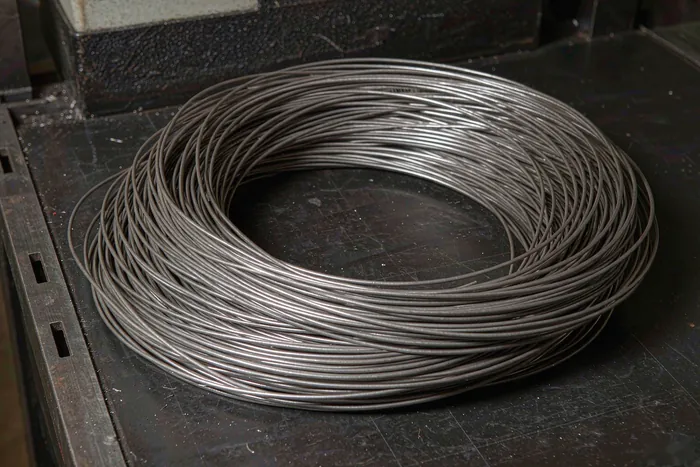
Drawn with inter-pass annealing; surface pickled or bright annealed as required.
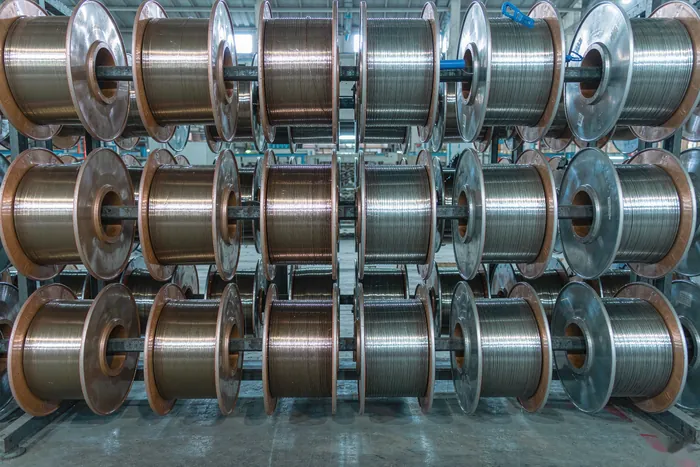
Straightened and cut, or spooled for heading and thread rolling.
Annealed or solution treated, straightened for automatic welding.
Need a specific AMS condition or aged hardness? Send the specification number — we confirm the route before quoting.
Send the specification →Each grade has a different hardening route; the condition is quoted with the grade.
Aged and solution-treated conditions are quoted with hardness targets — tell us the specification number you are working to. Send your specification — our engineers confirm availability and test values before you order.
The values below are typical for the stated condition and are certified per heat. Age-hardened grades reach their strength only after the correct solution and ageing cycle.
For 718 and X-750, tell us the ageing schedule you need — AMS and ASTM differ, and the hardness acceptance follows the specification you are working to.
Annealed, typical
Solution + aged
Aged, typical
Annealed grades
Inconel 600, continuous
Cold drawn wire
Supplying an annealed spool where an aged one was specified is the most common superalloy mistake.
Soft, ready for forming before ageing.
718 / X-750Full strength as delivered.
AgedOxide-free surface for mesh and springs.
SurfaceDescaled after hot working.
SurfaceFor heading and thread rolling.
FormingEven tension for automated feeding.
PackagingCondition, ageing temperature and hardness target are recorded on the certificate. Tell us the specification number and we quote the heat treatment to match.
Five controlled steps, each with a named output — so nothing is agreed verbally and lost between shifts.
We check grade, size, temper, tolerance, packing and delivery date against what the drawing actually needs — and flag anything the process cannot hold.
Inconel 600 / 625 / 718 confirmed against your existing grade number, with datasheet and typical test values issued before the order is placed.
Superalloys work-harden quickly, so passes are short and inter-pass annealing is scheduled per grade.
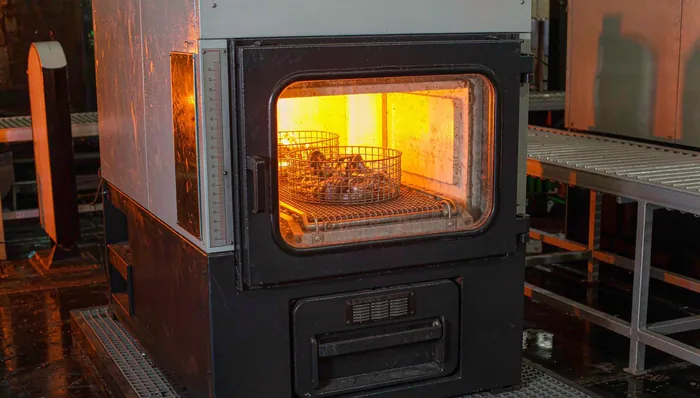
Solution treatment followed by the specified ageing cycle — the step that actually creates the strength.
Chemistry, mechanical properties, dimensions and surface checked against the order, then packed for export with the documents inside the case.
Four environments where stainless steel has already failed or would fail.
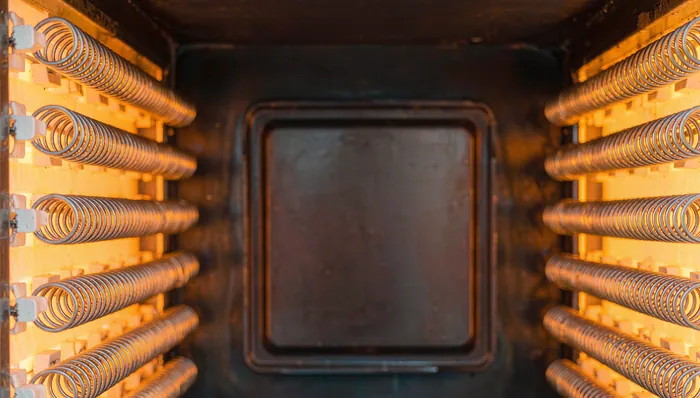
Repeated thermal cycling without distortion or scaling.

Strength retained at 700 °C with fatigue resistance.
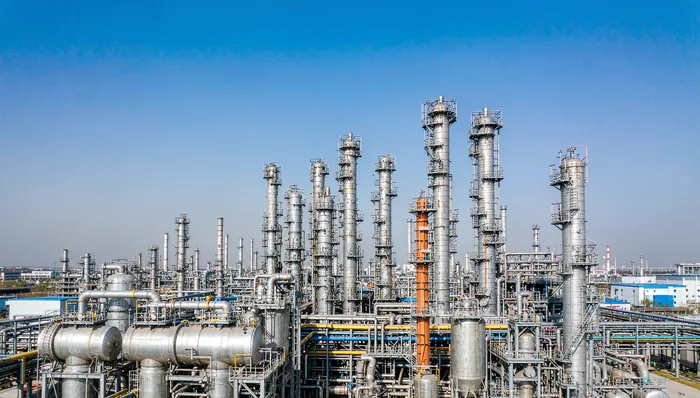
Chloride and acid resistance where 625 is specified.
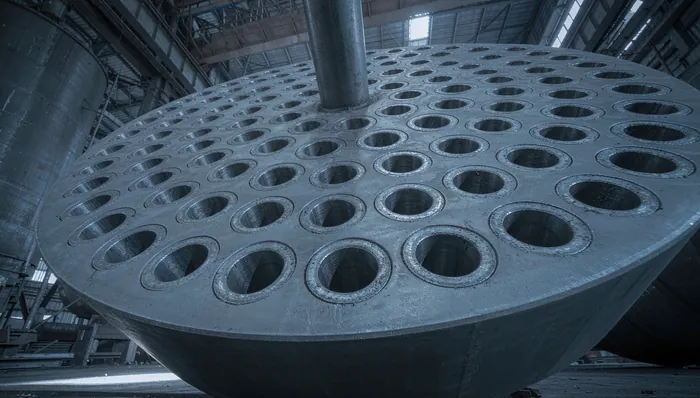
Creep resistance over long service intervals.
Superalloy problems are usually heat-treatment problems. We treat the condition as part of the specification.
From 600 to 718 and X-750, not just one grade.
Work-hardening grades drawn without surface cracking.
Ageing cycles run to the specification you name.
Values reported for the condition supplied.
Specification number printed on the MTR.
Trial coils and production lots from the same route.
Each enquiry named a specification number before naming a size.
A heat treater was replacing baskets every six weeks. 625 wire at 3.2 mm, annealed, extended the change interval without altering the fixture design.
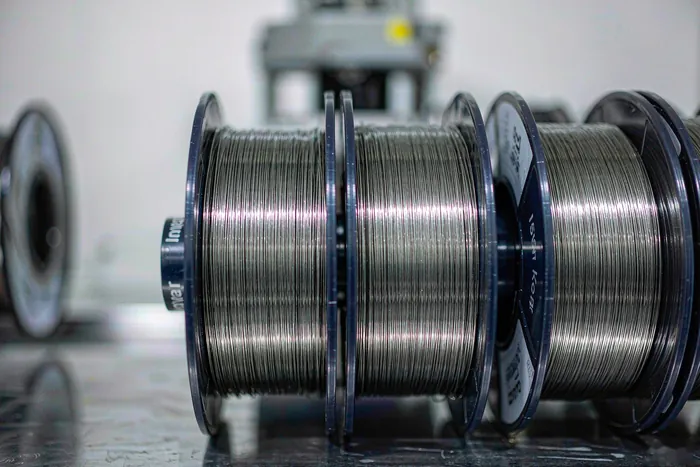
Fastener blanks in 5.5 mm 718, aged to a 40 HRC target with hardness tested per lot.
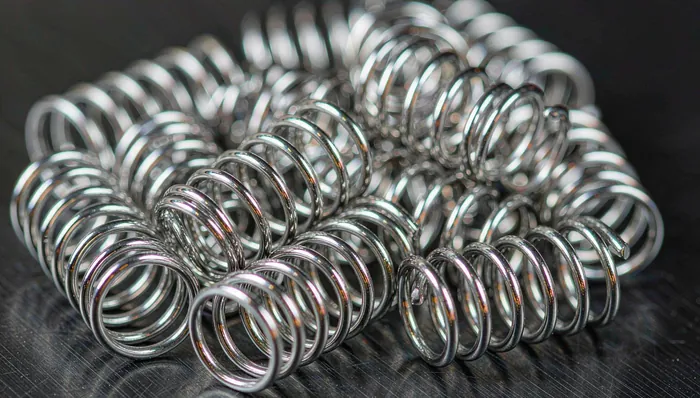
0.8 mm spring-temper wire for seals that must hold load at 700 °C in an oxidising atmosphere.
Tell us the grade, condition, diameter and quantity — or send the AMS or ASTM specification number. An engineer confirms the heat-treatment route and you get a quotation within 24 hours.
What engineers ask before specifying a nickel superalloy.
718 if strength is the constraint and the part can be aged; 625 if welding and corrosion resistance dominate. 718 is stronger, 625 is easier to weld and repair.
Yes. 718 and X-750 can be supplied solution-treated or solution plus aged, with hardness tested per lot against your target.
Yes, for common grades. Send the specification number and we confirm which clauses the route covers before quoting.
0.1 mm in 600 and 625; 0.2 mm in 718. Fine sizes are spooled with inter-pass annealing.
Spools, coils or straightened lengths. Aged material is packed after the ageing cycle, not before.
2–3 weeks for standard grades and conditions; 4–6 weeks for aged material or non-standard diameters.