Fabrication · featured
ER316L for a chemical tank
A fabricator needed deposit chemistry per batch to satisfy a client audit; previous supply only gave a grade name on the box.
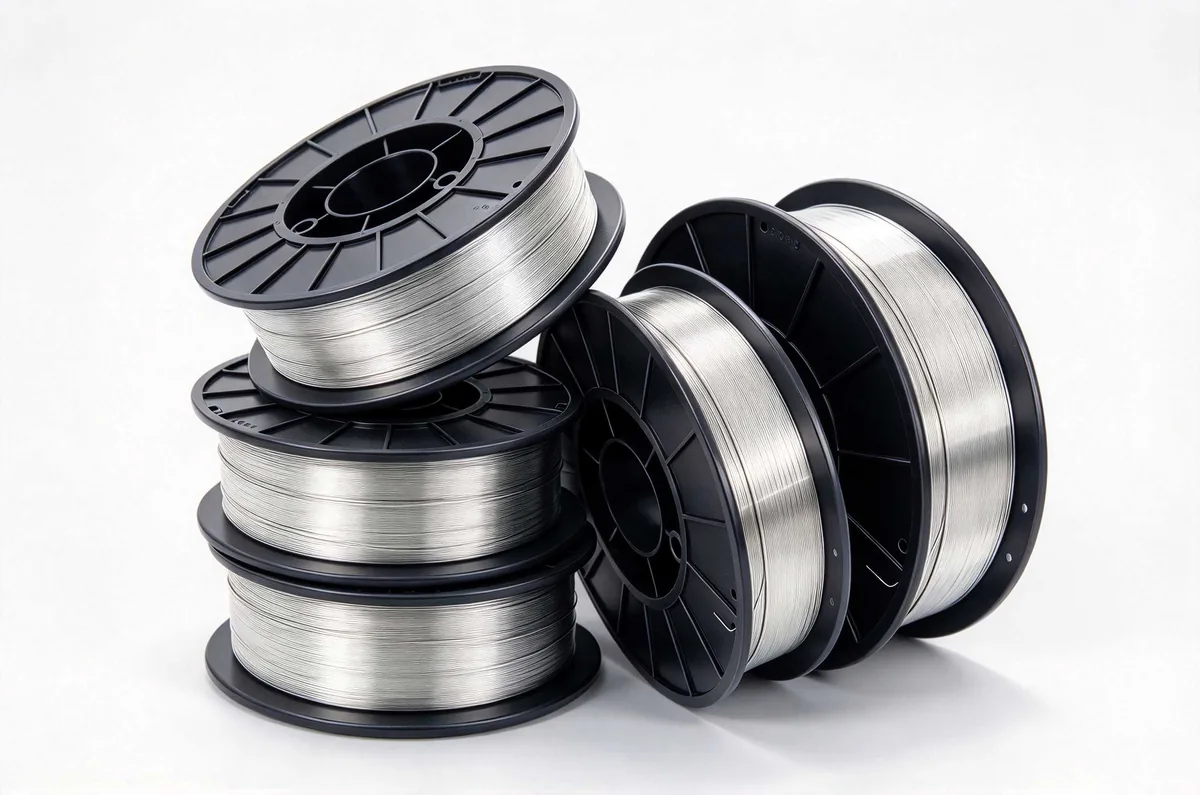
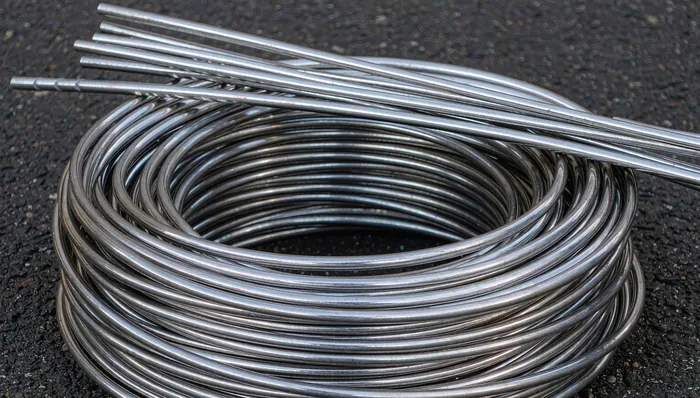
ER308L, ER309L, ER316L and ER2209 duplex in TIG rods and MIG spools. The high-volume line, supplied with batch chemistry and a ferrite number where the procedure calls for it.
ER308L covers 304 and 304L, ER316L adds molybdenum for chloride and acid service, ER309L is the dissimilar filler for stainless to carbon steel, and ER2209 handles duplex where stress corrosion cracking is the design driver.
The failure modes are consistent: the wrong grade for the base metal, too much heat input on duplex, or a ferrite number that was never checked. We report the batch chemistry and, where the procedure requires it, the ferrite number.
The base metal decides the filler; the service decides whether the low-carbon or Mo-bearing version is needed.
The standard austenitic filler for 304 family fabrication.
Molybdenum-bearing for chloride and acid service.
Stainless to carbon steel joints, with higher ferrite for dilution tolerance.
2205 duplex base metal; heat input control is critical.
From 0.8 mm MIG for production cells to 3.2 mm TIG rods for root passes.
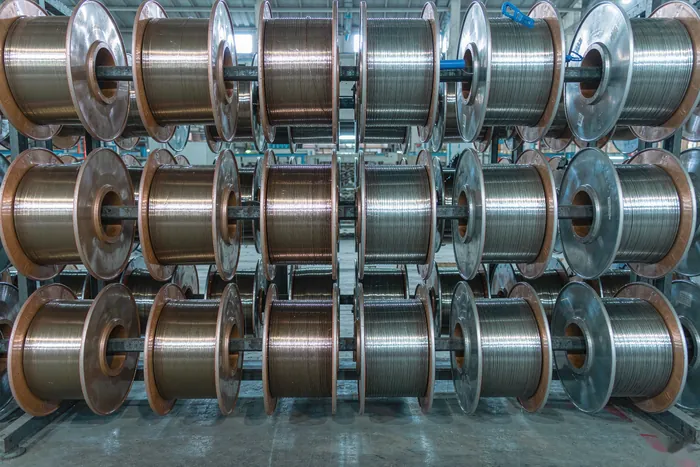
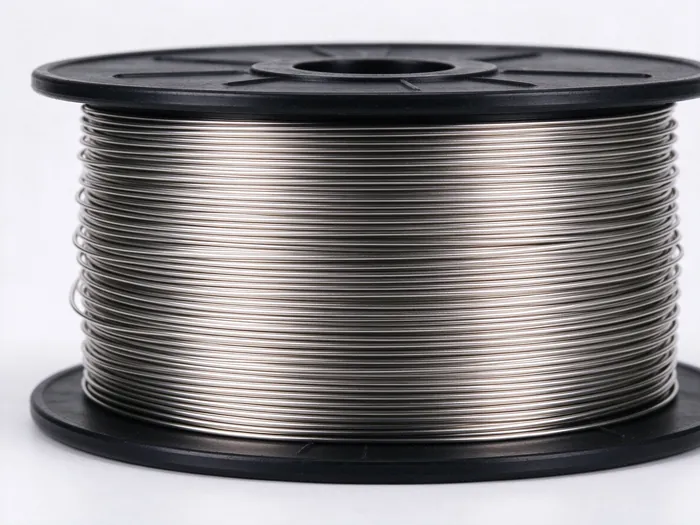
Layer wound on 12.5 kg spools with consistent cast and helix.
1 m lengths, cleaned and packed in sealed tubes.
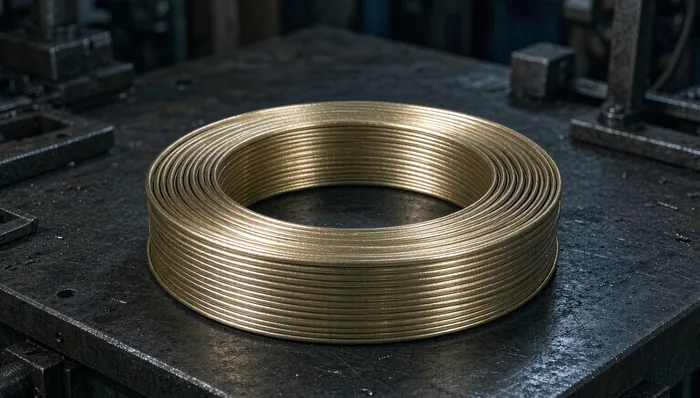
Coils for SAW on thick sections and cladding.
Welding duplex and unsure about heat input? Send the procedure — we check the filler and the ferrite target.
Ask about duplex welding →Each supplied with batch chemistry; ferrite number available on request for austenitic grades.
Ferrite number is reported on request for austenitic fillers; duplex procedures usually call for it. Send your specification — our engineers confirm availability and test values before you order.
Deposit chemistry drives both corrosion resistance and cracking risk. Values below are typical for the batch ranges we supply and are confirmed on the certificate.
For duplex, heat input between 0.5 and 1.5 kJ/mm and interpass below 150 °C preserve the ferrite-austenite balance.
Typical
Typical
Typical
Duplex 2209
Duplex and austenitic
MIG
Stainless wire picks up carbon and iron contamination if it is handled without care.
Consistent feed for automation.
MIGRods protected from workshop atmosphere.
TIGDeposit analysis per batch.
DocumentationReported on request.
DuplexMoisture barrier for export.
ExportFor OEM supply.
OEMKeep stainless wire away from carbon steel benches and tools; iron contamination shows as rust spots after installation.
Five controlled steps, each with a named output — so nothing is agreed verbally and lost between shifts.
We check grade, size, temper, tolerance, packing and delivery date against what the drawing actually needs — and flag anything the process cannot hold.
ER308L / ER316L confirmed against your existing grade number, with datasheet and typical test values issued before the order is placed.
Drawn on dedicated stainless lines to avoid iron and carbon contamination.
Degreased and layer wound, or cut into sealed tubes for TIG.
Chemistry, mechanical properties, dimensions and surface checked against the order, then packed for export with the documents inside the case.
Four sectors that account for most stainless welding wire consumption.
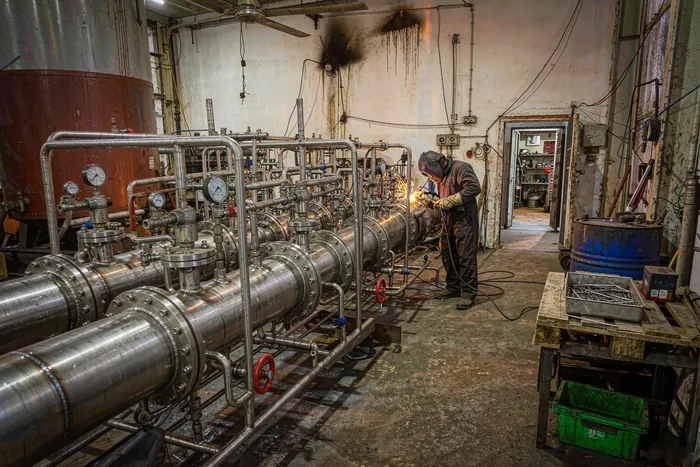
308L and 316L for general stainless fabrication.
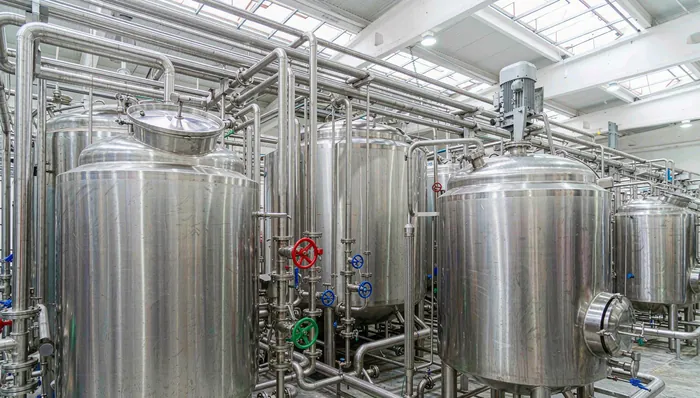
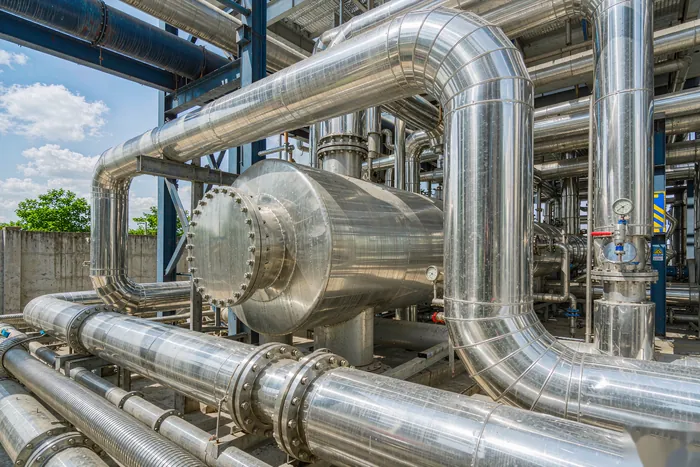
316L for chloride and cleaning-chemical service.
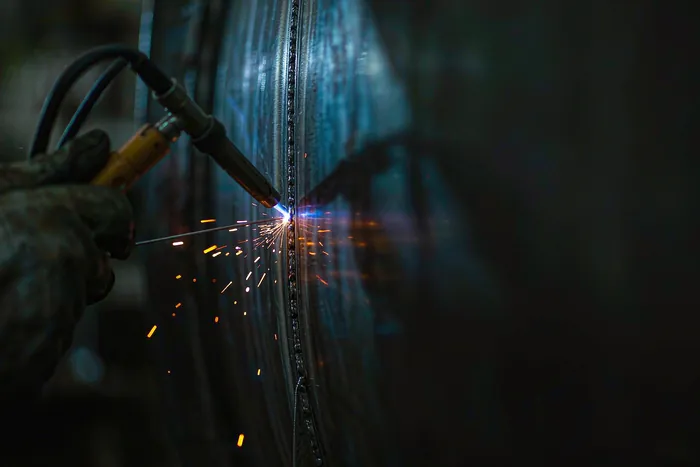
309L for transition joints and cladding.
2209 for stress-corrosion resistance in chlorides.
Stainless wire is easy to buy and easy to get wrong; the certificate is what separates the two.
308L to 2209, not just the volume grade.
Deposit chemistry reported, not just wire chemistry.
For austenitic and duplex procedures.
No iron contamination from carbon steel drawing.
Classification and batch on the certificate.
Single spools and container quantities.
Each switched supplier because of chemistry documentation or contamination, not price.
A fabricator needed deposit chemistry per batch to satisfy a client audit; previous supply only gave a grade name on the box.
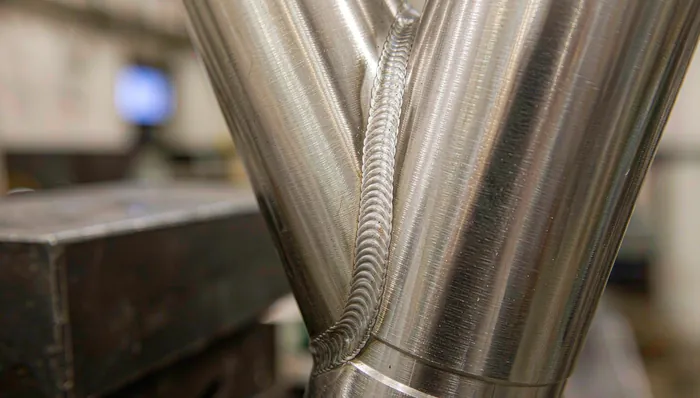
Ferrite number reported per batch and heat input logged, so the procedure could be qualified without re-testing.
309L for stainless-to-carbon-steel nozzles, with higher ferrite to tolerate dilution.
Tell us the base metals, thickness, process and any ferrite requirement. We confirm the classification and quote spools or rods within 24 hours.
Questions from fabricators and welding engineers.
308L for 304 family base metal; 316L where chlorides, acids or cleaning chemicals require molybdenum.
For stainless to carbon steel joints, because its higher ferrite tolerates dilution from the carbon steel side.
0.5 to 1.5 kJ/mm with interpass below 150 °C, to keep the ferrite-austenite balance.
Yes, on request, per batch. Duplex procedures usually require it.
Iron contamination from tools or benches, not the wire. Use dedicated stainless tools and pickle where specified.
One 12.5 kg spool or one tube of rods.