Heat exchange · featured
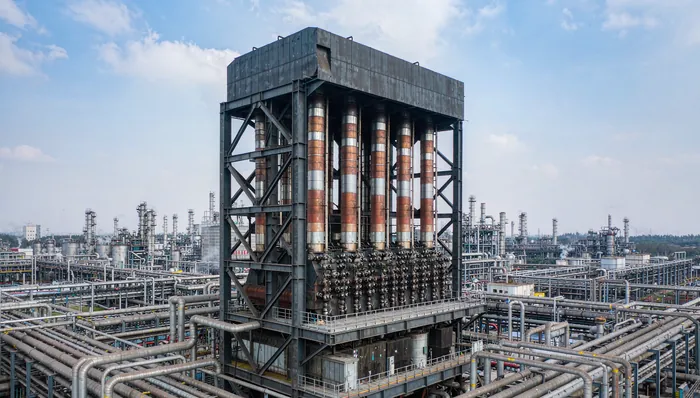
800H tie wire for a reformer
A hydrogen plant needed 800H with a carbon range and grain size stated on the certificate, not just a grade stamp.
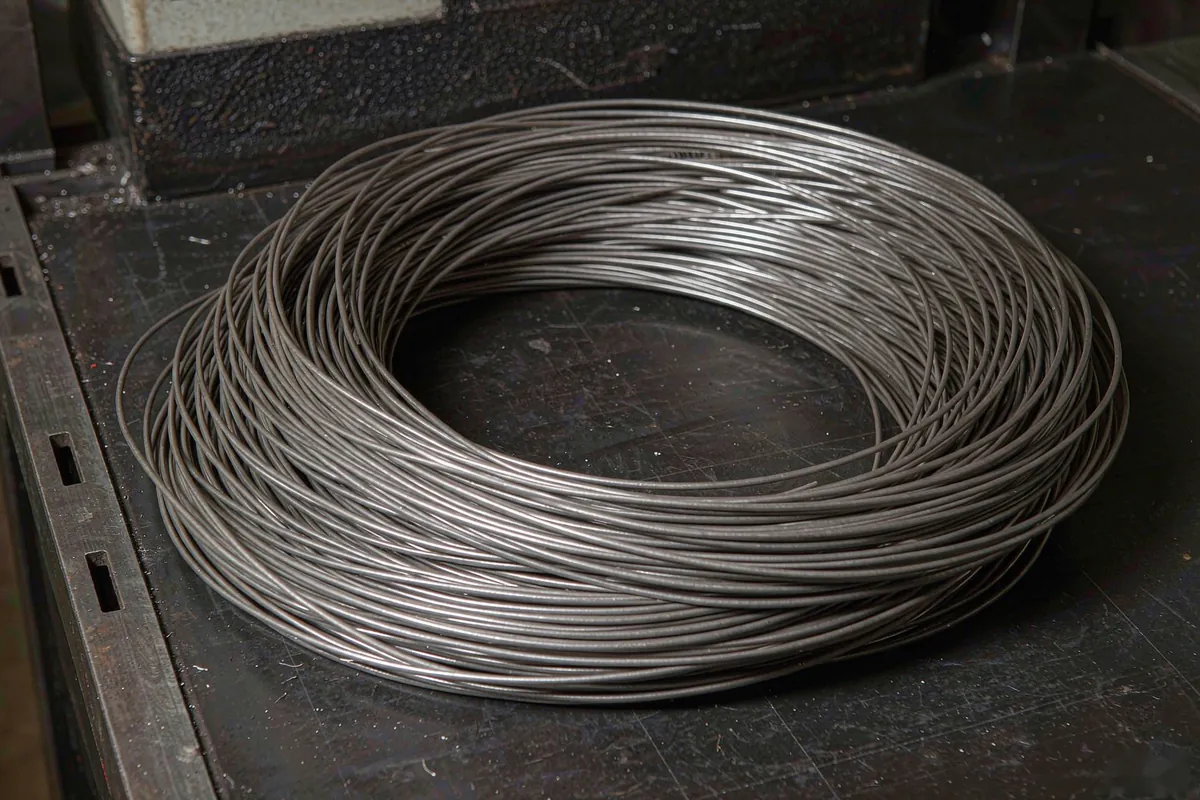
Iron-nickel-chromium alloys that sit between stainless and superalloy: more corrosion resistance than 316L at a lower price than 625. Drawn from 0.5 mm and annealed for forming and welding.
Incoloy 800 and 825 fill the gap between austenitic stainless and the nickel superalloys. 800H adds carbon control for creep strength above 600 °C; 825 adds molybdenum, copper and titanium for sulphuric and phosphoric acid service.
These alloys are often specified by a plant specification rather than a grade name, so we ask for the specification number. Chemistry windows differ between ASTM and plant specs, and the difference is usually in the titanium or aluminium content.
The grade is usually fixed by a plant specification. We confirm the chemistry window before quoting.
Furnace components and heat exchangers to about 800 °C.
Higher carbon and controlled grain size for service above 600 °C.
Sulphuric and phosphoric acid resistance with chloride tolerance.
Strength plus corrosion resistance for downhole and fastener parts.
These alloys are tougher than stainless at the same diameter, so forming loads and springback are higher.
Annealed for weaving and forming, with a pickled or bright surface.
Straightened and cut for TIG, or spooled for automatic welding.
For internal supports and ties in furnaces and exchangers.
Working to a plant specification rather than a grade name? Send the specification — we confirm the chemistry window.
Send the specification →Chemistry windows differ between ASTM and plant specifications, so the spec number matters.
Plant specifications sometimes call for titanium or aluminium within a narrower window than ASTM — send the specification and we confirm. Send your specification — our engineers confirm availability and test values before you order.
800H is chosen for creep rather than tensile strength, so the certificate should show carbon content and grain size, not only room-temperature tensile values.
For acid service, corrosion rate data from the relevant standard test is more useful than a chemistry statement alone.
Annealed, typical
Specified range
ASTM, typical
Annealed, typical
Annealed grades
800H, continuous
Surface condition and grain size both matter; the certificate should state what was supplied.
Soft for forming and weaving.
StandardUniform structure for 800H.
800HOxide removed after annealing.
SurfaceFor clean welding and mesh.
SurfaceFor TIG and orbital welding.
WeldingContinuous for automated mesh lines.
PackagingFor 800H, carbon content and grain size are reported because they control creep behaviour.
Five controlled steps, each with a named output — so nothing is agreed verbally and lost between shifts.
We check grade, size, temper, tolerance, packing and delivery date against what the drawing actually needs — and flag anything the process cannot hold.
Incoloy 800 / 825 confirmed against your existing grade number, with datasheet and typical test values issued before the order is placed.
Drawn with inter-pass annealing because the 800 series work-hardens faster than 316L.
Annealing sets grain size and ductility; 800H is held to a controlled carbon range.
Chemistry, mechanical properties, dimensions and surface checked against the order, then packed for export with the documents inside the case.
Four applications where the choice sits between stainless and superalloy.
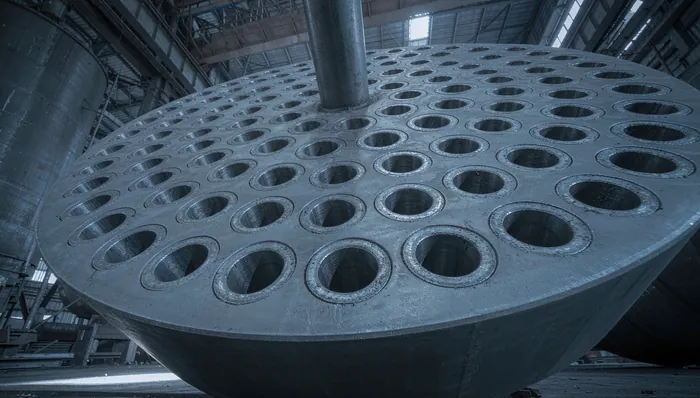
Strength and corrosion resistance at 600–800 °C.
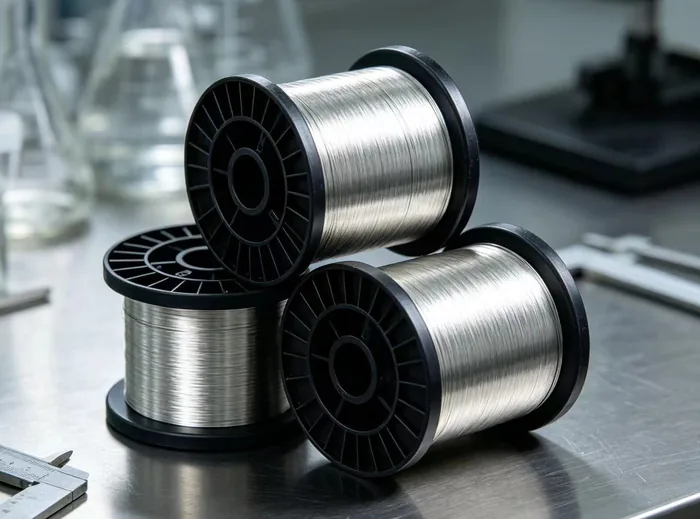
800H for creep resistance in continuous furnaces.
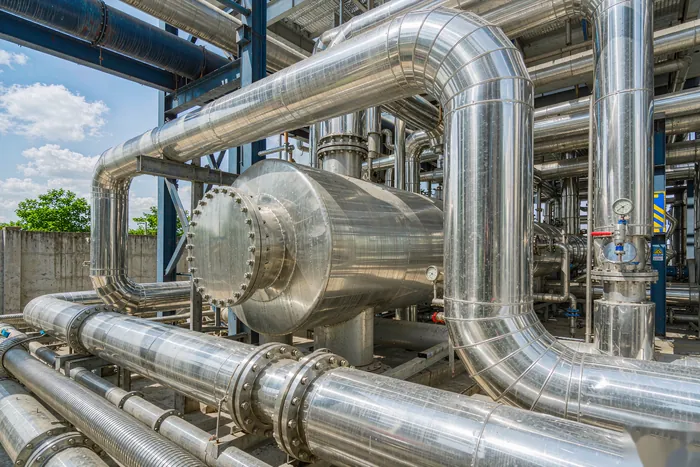
825 for sulphuric and phosphoric acid service.
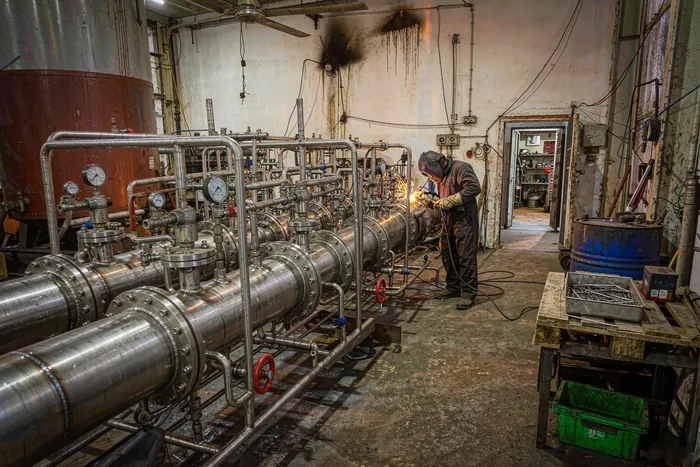
925 for strength plus corrosion in sour service.
These alloys are bought against plant specifications more often than grade names, so we quote against the document.
Chemistry windows checked against the document you supply.
Four grades rather than a single substitute.
Tough alloys drawn without surface defects.
800H held to the specified carbon range.
Verified identity and properties per lot.
Chemistry, grain size and mechanicals reported.
Each was quoted against a plant or ASTM document rather than a grade name.
A hydrogen plant needed 800H with a carbon range and grain size stated on the certificate, not just a grade stamp.
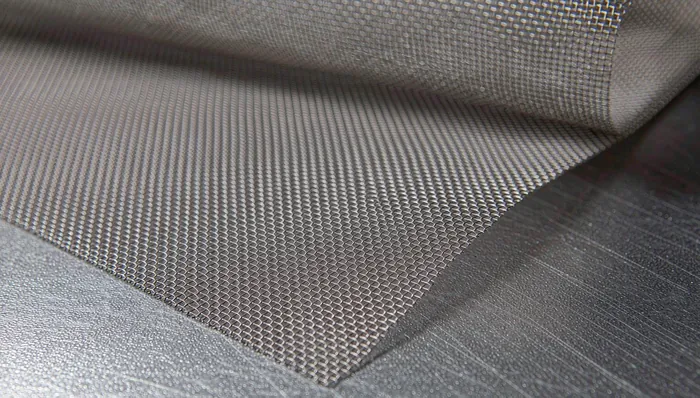
Sulphuric acid service at 90 °C; 316L had failed at the welds within a year.
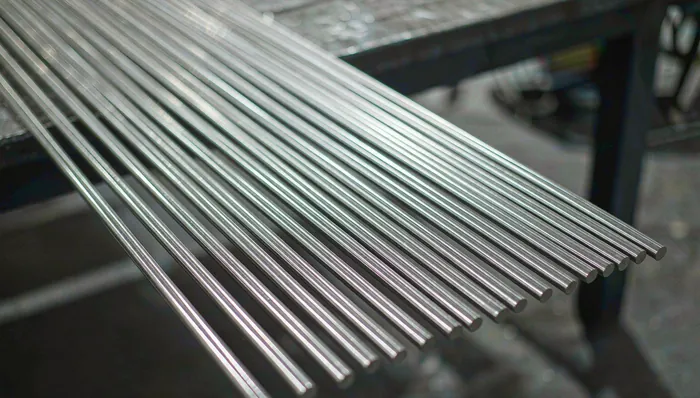
Age-hardened 925, supplied solution treated and aged to a specified hardness window.
Attach the plant or ASTM specification, the diameter and the quantity. We confirm the chemistry window and heat treatment, and quote within 24 hours.
What specifying engineers ask about Incoloy 800, 825 and 925.
Carbon content and grain size. 800H is held to 0.05–0.10% C with a coarser grain, which gives creep strength above 600 °C.
It tolerates some chloride with good resistance to sulphuric and phosphoric acid, but it is not a substitute for C-276 in severe chloride pitting service.
Yes, in the solution-treated condition, followed by ageing. Welding in the aged condition is not recommended.
Yes. Send the document; we confirm which clauses the chemistry and heat treatment satisfy.
0.5 mm to 8.0 mm drawn wire, with flat wire from 0.5 mm on request.
2–3 weeks for 800 and 825; 4–6 weeks for 800H with grain-size control or aged 925.