Chemical · featured
C-276 mesh for a mixed-acid reactor
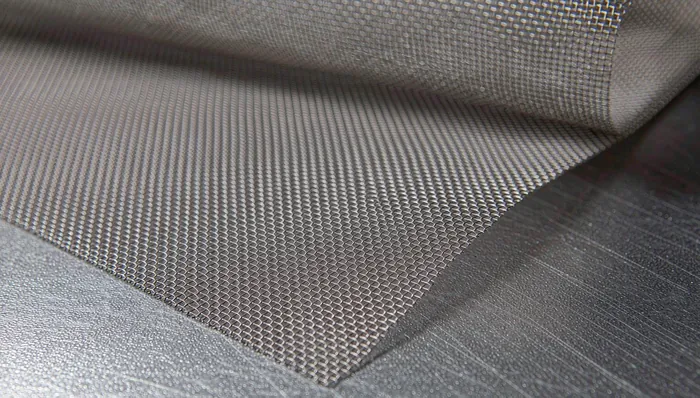
A reactor basket failed in 316L within months. C-276 at 1.6 mm gave the same open area with a service life measured in years.
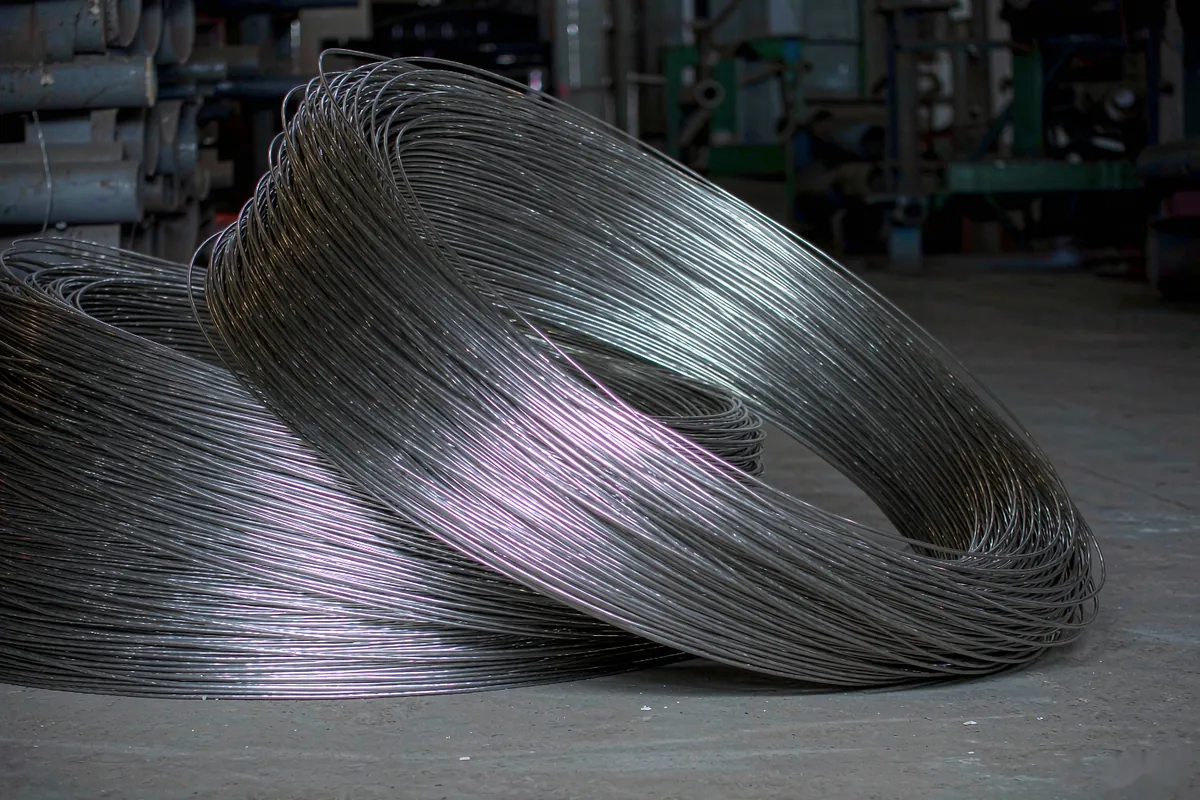
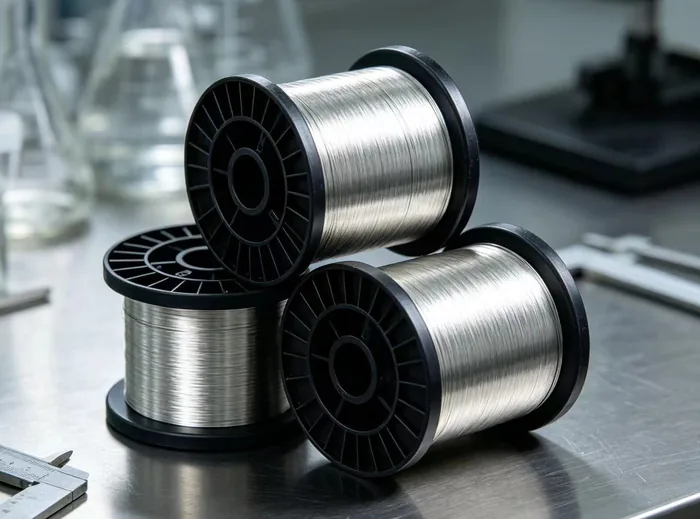
Monel 400, K500, Hastelloy C-276, C-22 and B-2 drawn to 0.2 mm. Selected by environment, not by grade fashion — because a nickel-molybdenum alloy in the wrong acid corrodes faster than stainless.
C-276 resists oxidising and reducing acids but is not the cheapest answer for caustic. Monel 400 handles seawater and hydrofluoric acid, and fails in nitric. B-2 is built for hydrochloric acid and should not be used in oxidising conditions at all.
We ask for the medium, concentration and temperature before quoting, then confirm the grade against published corrosion data. If two alloys both work, we say so, and let the lead time decide.
The wrong pick here is not a quality problem — it is a design error that no certificate can fix.
Chloride resistance with good strength; K500 adds age hardening for wear parts.
Oxidising and reducing media, chloride stress cracking, flue gas desulphurisation.
Better resistance than C-276 in oxidising conditions and to pitting in chlorides.
Nickel-molybdenum for reducing acids — not for oxidising service.
These alloys are stiff and work-harden quickly; pass schedules are short and annealing is frequent.
Annealed in protective atmosphere to keep the surface free of chromium depletion.
Straightened and cut for TIG and orbital welding, or spooled for automatic feed.
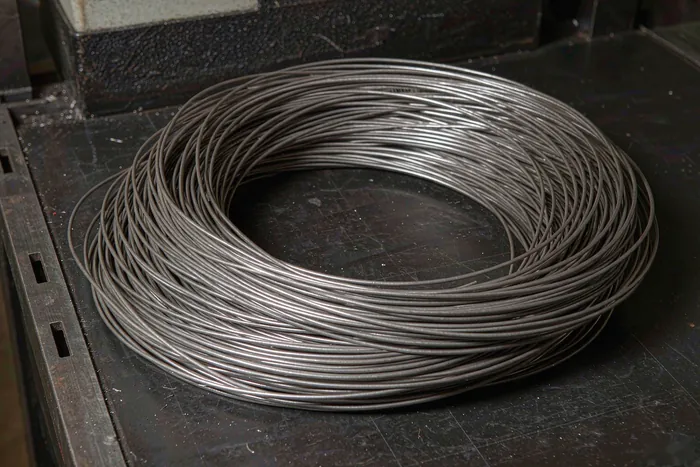
Supplied annealed and straightened for structural support in scrubbers and vessels.
Not sure which alloy suits your medium? Send the concentration and temperature — we check it against corrosion data.
Ask for a grade review →Grade selection here is an engineering decision; we supply the data to make it.
Corrosion data for your specific medium is available on request — send the concentration and temperature. Send your specification — our engineers confirm availability and test values before you order.
Nickel alloys are frequently substituted in the supply chain, so PMI verification is issued with every lot rather than offered as an option.
Mechanical values below are typical for annealed wire; hardness and tensile are reported per heat against the condition supplied.
Annealed, typical
Age hardened
Pitting resistance equivalent
Annealed, typical
Annealed grades
Every lot
Surface condition and heat treatment affect corrosion resistance as much as chemistry does.
Restores ductility after cold drawing.
StandardFor C-276 and C-22, to restore corrosion resistance.
CriticalFree iron and heat tint removed.
SurfaceFor seals and clips.
K500For orbital and TIG welding.
WeldingMoisture barrier for sea freight.
ExportC-276 and C-22 must be solution annealed after cold work or welding to restore corrosion resistance. We state the condition on the certificate.
Five controlled steps, each with a named output — so nothing is agreed verbally and lost between shifts.
We check grade, size, temper, tolerance, packing and delivery date against what the drawing actually needs — and flag anything the process cannot hold.
C-276 / Monel 400 confirmed against your existing grade number, with datasheet and typical test values issued before the order is placed.
Short passes with frequent annealing, because these alloys work-harden faster than stainless.
Solution treatment restores the corrosion resistance that cold work destroys.
Chemistry, mechanical properties, dimensions and surface checked against the order, then packed for export with the documents inside the case.
Four process environments where grade selection decides service life.
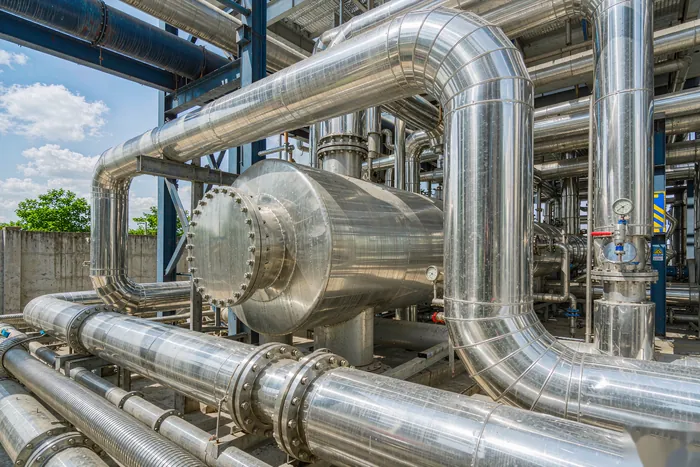
Mixed acid service where C-276 is the default.
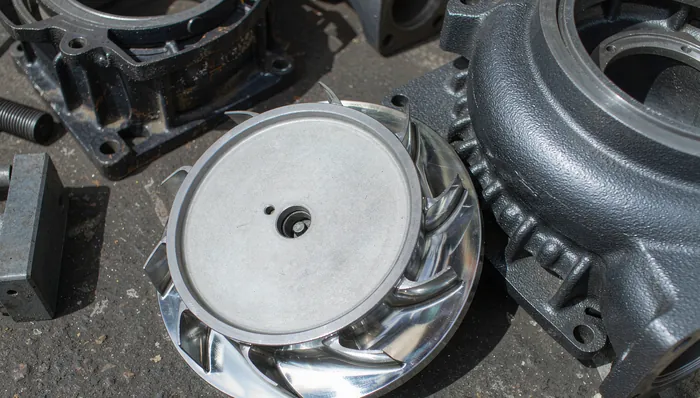
Chloride resistance without pitting.
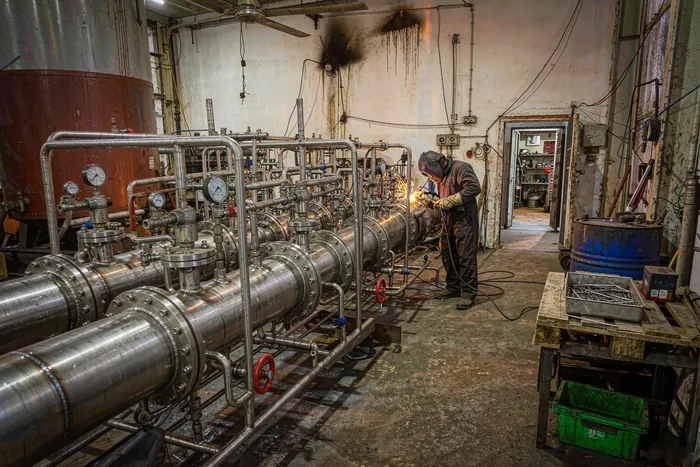
Chloride-rich flue gas with acidic condensate.
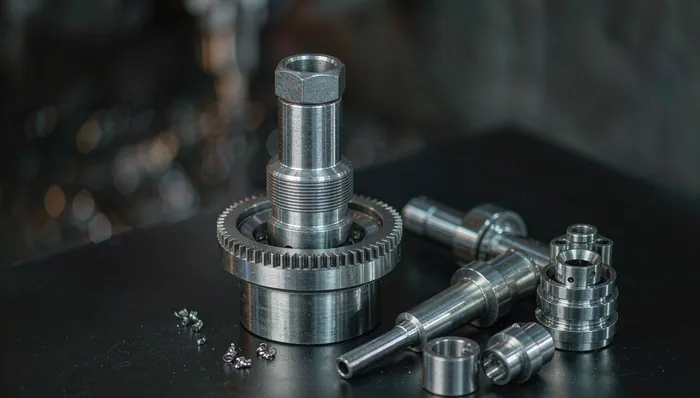
Monel for caustic, nickel for chlorine side.
Substitution is the main risk in corrosion alloys. PMI on every lot removes it.
We check the environment against published data.
Monel, C-276, C-22 and B-2 rather than one substitute.
Work-hardening grades drawn without edge cracking.
Corrosion resistance restored after cold work.
Alloy identity confirmed, not assumed from the label.
Chemistry, mechanicals and verification in one file.
In each case the initial grade request was changed after the medium was reviewed.
A reactor basket failed in 316L within months. C-276 at 1.6 mm gave the same open area with a service life measured in years.
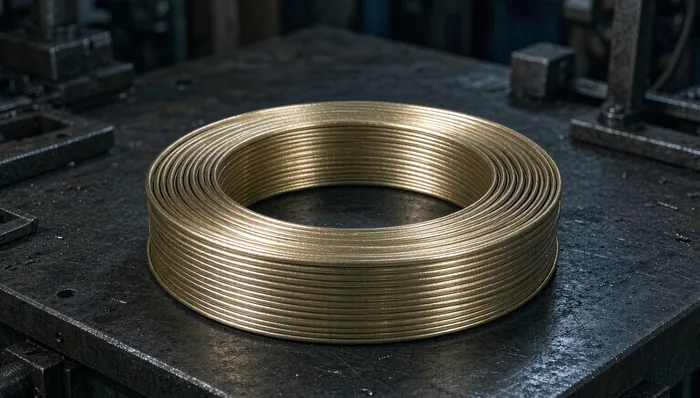
Seawater strainer wire replaced every quarter in stainless; Monel 400 removed the replacement cycle entirely.
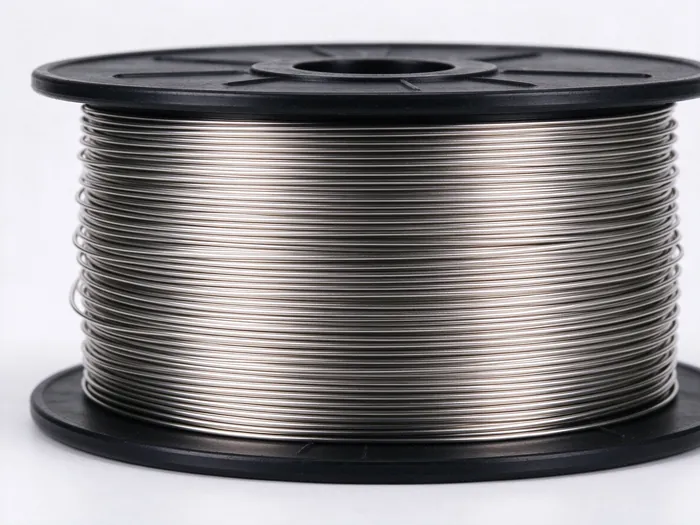
Hydrochloric acid at 80 °C required a nickel-molybdenum alloy; oxidising ingress was controlled to stay inside the B-2 window.
Send the chemicals, concentration and temperature. We check the grade against corrosion data and quote the wire, condition and lead time within 24 hours.
Practical answers on selection, condition and verification.
C-22 in oxidising chlorides and where pitting resistance matters; C-276 where the service is mostly reducing or mixed and cost is a factor.
Yes, matching composition filler is available in the same grades. Use low heat input and clean the joint; these alloys are sensitive to contamination.
Cold work and welding precipitate secondary phases that reduce corrosion resistance. Solution annealing dissolves them again.
Standard on every lot. The alloy identity is verified and reported, not inferred from the label.
0.2 mm to 8.0 mm drawn wire; flat wire from 0.3 mm thick on request.
From 5 kg for standard grades; C-22 and B-2 usually from 20 kg because of mill lot sizes.