Electron tube · featured
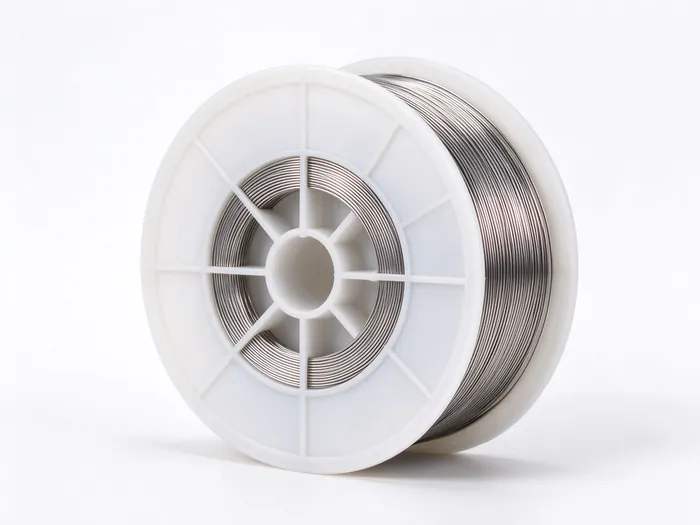
0.08 mm 4N wire for grid supports
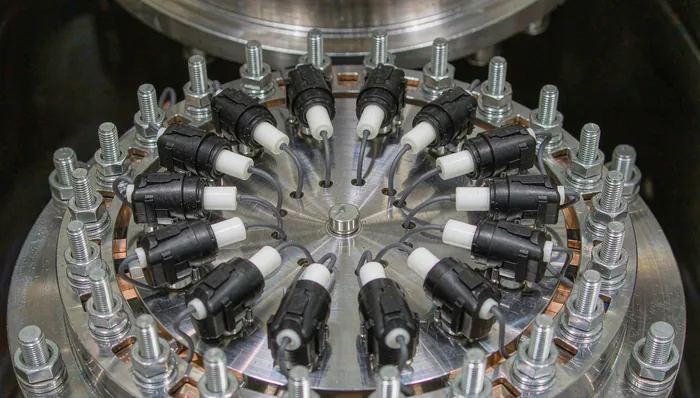
A tube maker needed low outgassing after baking at 450 °C, with a diameter that would not drift across a 500 m spool.
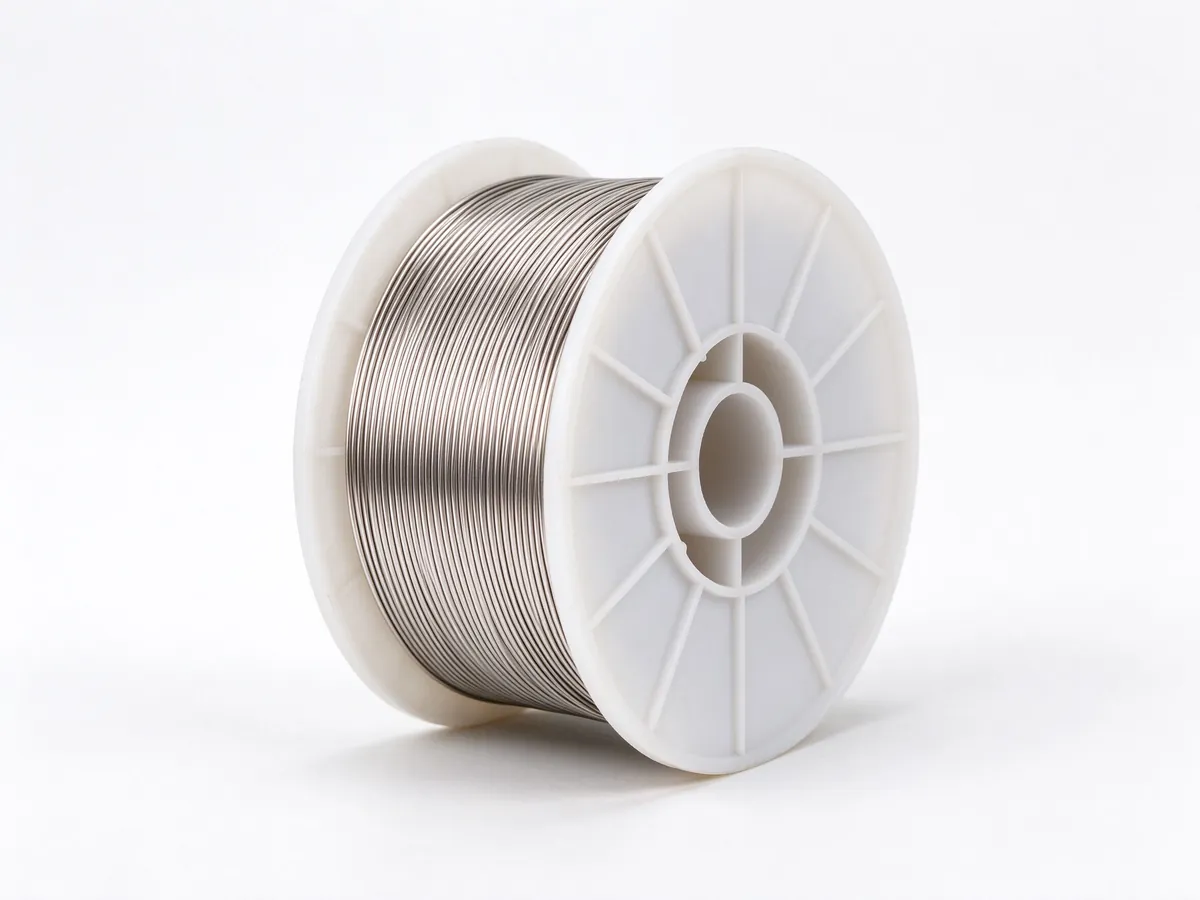
Refined 4N nickel, vacuum annealed and packed clean. Where a tenth of a percent of impurity changes resistivity, outgassing or a brazed joint, the grade — not the price — sets the specification.
Standard Ni200 carries up to about 1% of alloying and trace elements. In a feedthrough, an electron tube or a detector lead, those traces raise resistivity, increase outgassing under vacuum and disturb brazed or welded joints.
Our 4N wire is drawn from refined cathode stock, annealed in vacuum rather than in protective gas, and handled with gloves into cleanroom packing. Each lot is assayed by ICP and ships with the measured analysis — not just a grade stamp on the label.
Purity is a cost. It earns its place only where the application punishes impurities.
Outgassing and residual resistivity matter more than tensile strength here.
Stable, low-noise signal paths for mass spectrometry and X-ray components.
Ni ≥ 99.0% (typically 99.6%) at lower cost where gas content and trace elements are not critical.
Each spool is tied to its own analysis and heat number, not to a batch average.
Fine sizes run on separate benches, so a 0.03 mm lead never shares a pass schedule with 2 mm stock.
Wet drawing with in-line laser gauging; every spool ends with a diameter record.
Vacuum annealed to keep the surface oxide-free before ceramic sealing.
Straightened, cut and bagged for direct entry into a cleanroom.
Need a purity above 4N or a gas-content limit? We quote against your analysis, not a catalogue.
Send the impurity limits →Most enquiries start with a 99.9% requirement and a size range; the form is usually the easier variable.
Purity above 4N and specific gas-content limits are quoted per lot — send the analysis you need to meet. Send your specification — our engineers confirm availability and test values before you order.
Values below are typical for vacuum-annealed 4N nickel at 20 °C. Because purity dominates resistivity, figures are certified per lot rather than quoted as a catalogue constant.
Where your drawing calls out a maximum impurity, we test to that limit and report the actual value.
P4 and P5 are our in-house diameter-tolerance classes, not ISO 286 IT grades or a GB/T designation: P5 is the general-purpose band and P4 the tighter precision band — at 1.0 mm roughly ±2% and ±1% of diameter, which is about ±4% and ±2% on resistance. The band that applies to your order is printed on the quotation.
ICP assay, per lot
Vacuum annealed
4N nickel at 20 °C
Annealed, typical
Annealed condition
Below 0.2 mm
At 4N the surface is part of the specification — a fingerprint is contamination.
Bright, oxide-free surface with no protective-gas residue.
StandardDrawing lubricant and handling residue removed before packing.
CleanlinessDouble-bagged under nitrogen and labelled with lot and analysis.
Vacuum parts0.5, 1, 5 and 20 kg spools with bore to your feeder.
PackagingStraightened and deburred for fixture assembly.
Assembly100 g to 1 kg for qualification and pilot runs.
TrialsGloves and cleanroom packing are standard for 4N. If your line needs a specific bag, label or desiccant, we set it up before production.
Five controlled steps, each with a named output — so nothing is agreed verbally and lost between shifts.
We check grade, size, temper, tolerance, packing and delivery date against what the drawing actually needs — and flag anything the process cannot hold.
4N nickel confirmed against your existing grade number, with datasheet and typical test values issued before the order is placed.
Wet drawing on dedicated benches with in-line laser gauging and filtered lubricant.
Vacuum annealing keeps oxygen out of the surface and holds resistivity lot to lot.
Chemistry, mechanical properties, dimensions and surface checked against the order, then packed for export with the documents inside the case.
Four applications where a trace element, not the alloy, is the failure mode.
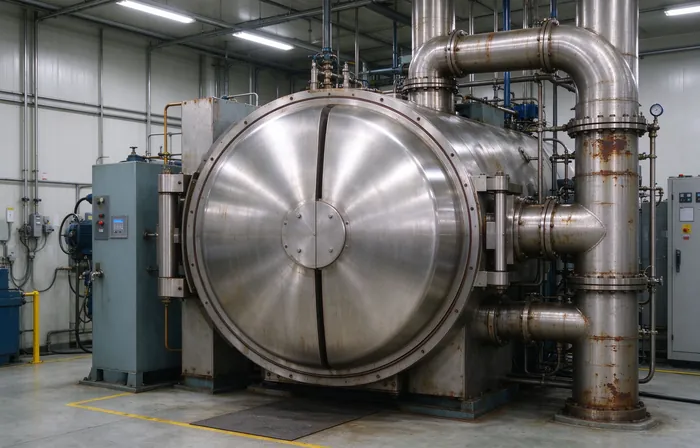
Low outgassing for parts sealed into a chamber and baked.
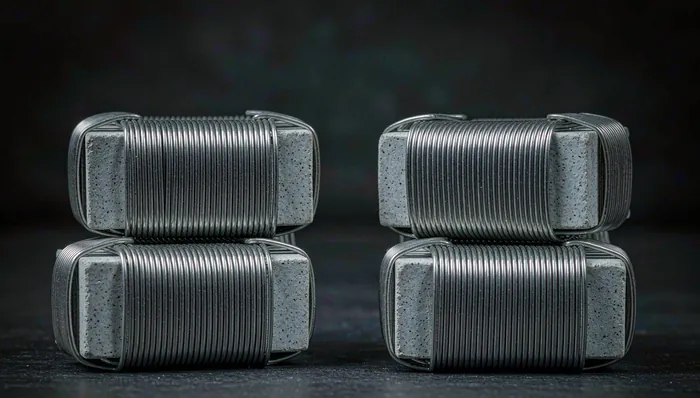
Stable emission and no embrittlement at operating temperature.
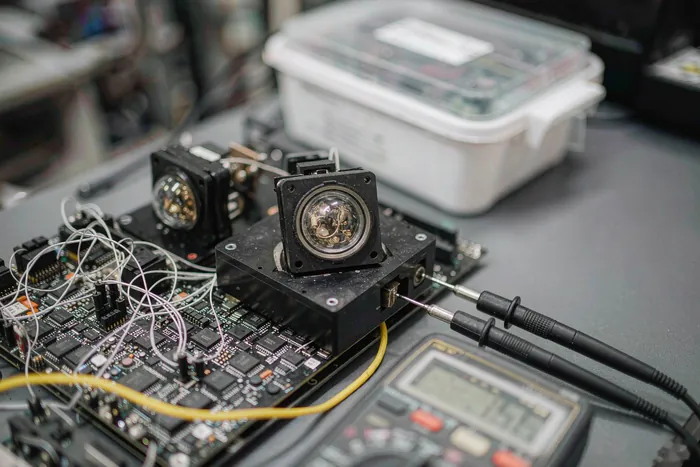
Low thermal EMF and stable resistance in measurement circuits.
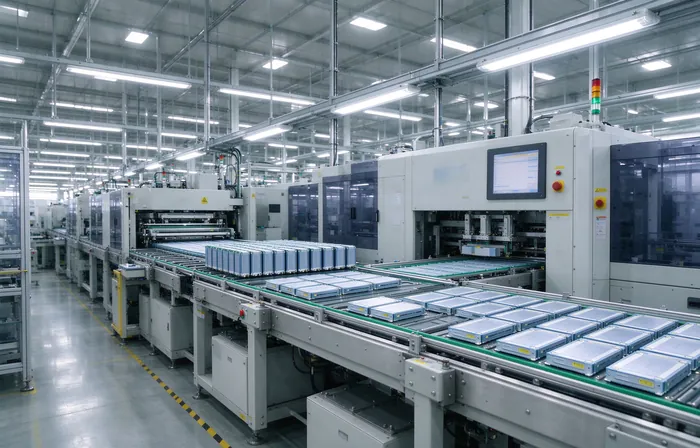
Clean nickel for coin-cell and pouch-cell qualification builds.
High-purity claims are easy to make and hard to check. We ship the analysis with the material so it can be checked.
Input chemistry is known before drawing starts, not after.
Vacuum routes keep oxygen and nitrogen out of the melt.
Separate lines stop cross-contamination from alloy drawing.
No protective-gas residue left on the surface before sealing.
Reported values instead of a nominal grade stamp.
The surface you receive is the surface we tested.
Each one started with a limit on an impurity, not a request for a grade name.
A tube maker needed low outgassing after baking at 450 °C, with a diameter that would not drift across a 500 m spool.
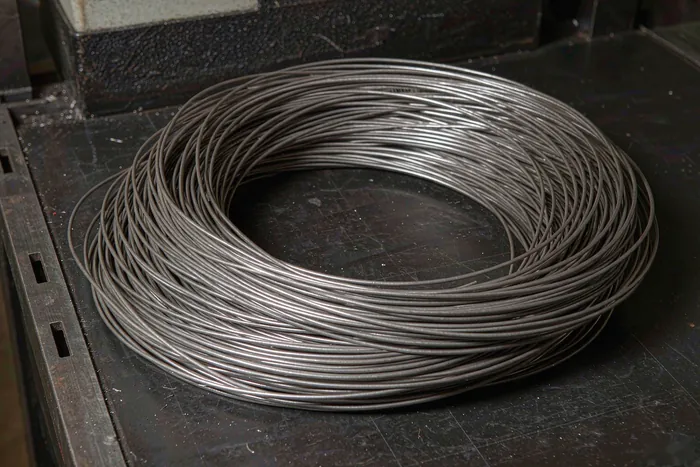
Replaced a gas-annealed supply that left residue on the surface and disturbed brazed joints.
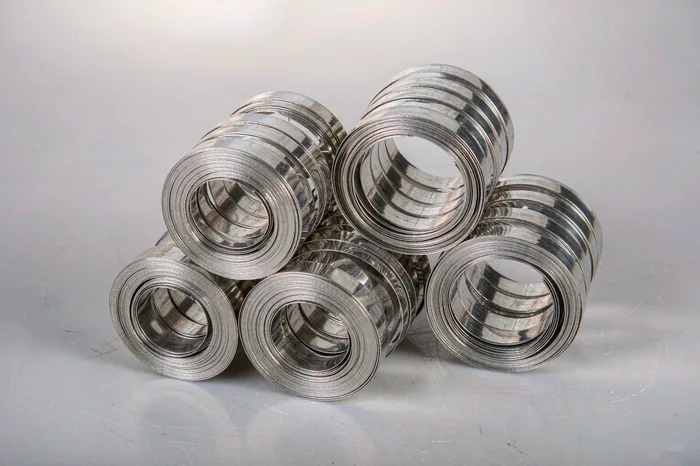
Small lots of 0.1 × 2.0 mm ribbon, cleanroom bagged, for qualification builds.
Tell us the grade, impurity limits, diameter and quantity — or send the analysis you need to meet. A metallurgist reviews it and you get a factory-direct quotation with lead time within 24 hours.
What buyers ask before switching a part to 4N nickel.
Purity and gas content. Ni201 is 99.0% minimum (typ. 99.6%) and annealed in protective gas; 4N is 99.9% minimum, vacuum annealed, with oxygen typically below 30 ppm.
Oxide at grain boundaries embrittles fine wire and outgasses in vacuum. Below 30 ppm the wire bends without cracking and bakes clean.
Yes. Each lot is assayed by ICP and ships with measured values, so the certificate reports what the metal actually is.
On request, with a longer lead time. Send the impurity limits you need and we confirm what the melt route can hold.
100 g to 1 kg for qualification, 5–20 kg for production. Fine sizes are spooled to order.
Slowly at room temperature. Keep spools sealed; nitrogen-filled bags are available for long storage.