
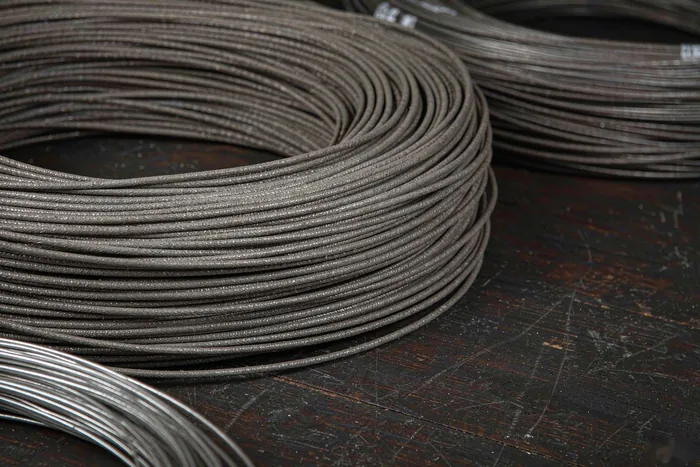
Furnace · featured
1.0 × 4.0 mm FeCrAl ribbon
A muffle element needed more surface in a 5 mm slot than round wire could give; ribbon raised the power without raising the wire temperature.
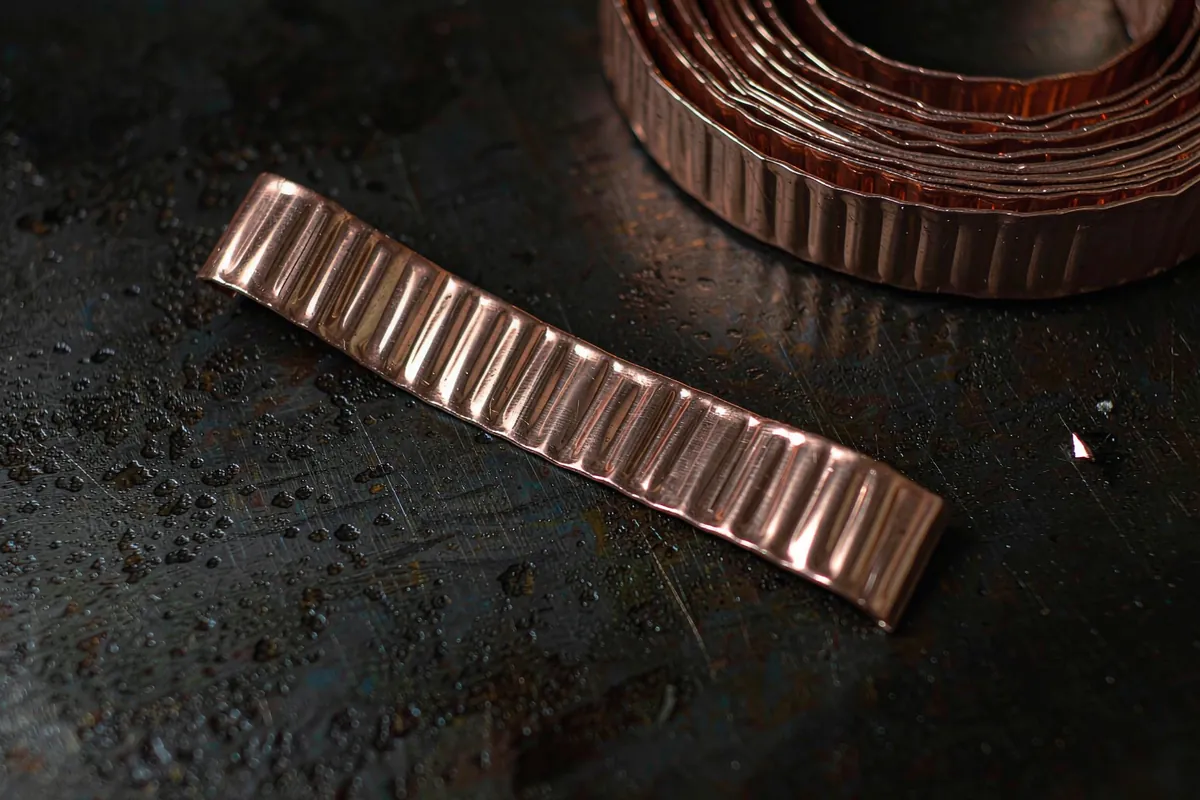
Ribbon elements, multi-strand conductors and braided heating cords in FeCrAl and nichrome. Where a round wire will not fit, will not flex, or needs a lower surface load in the same space.
A ribbon puts more surface into a narrow slot and winds flat against a muffle wall. A stranded conductor survives vibration that would fatigue a solid wire. A braided cord spreads current across a flexible heater without hot spots.
We make these from the same heats as our round wire, so the resistance calculation carries over. The construction — strand count, lay length, braid angle — is quoted with the resistance per metre, not left to be measured after delivery.
Each construction solves a different mechanical problem in the element.
Higher surface area in a narrow slot, and it winds flat against a surface.
Flexibility and fatigue resistance where the element moves or vibrates.
Flexible leads and heating cords with controlled lay length.
Bare for elements, sleeved for leads that must be handled.
The construction decides the current path; the resistance per metre is calculated, not assumed.
Rolled and slit from round wire, with edge condition controlled for winding.
Stranded from the same heat as the round wire, so resistance is predictable.
Braided over a core or as a cord, with lay length set for flexibility.
Need a non-standard flat section or lay length? Send the construction — we confirm the resistance per metre.
Send the construction →The alloy family stays the same; the construction is what changes the mechanical behaviour.
Resistance per metre is calculated from the finished construction, including lay factor for stranded and braided products. Send your specification — our engineers confirm availability and test values before you order.
For flat wire, resistance follows the cross-section; for stranded and braided, the lay factor adds a few percent. We calculate and state the finished value.
Values below are indicative for the listed construction; the order certificate carries the measured figure for the lot supplied.
FeCrAl 0Cr25Al5
Ni80Cr20 ribbon
Nichrome core
Typical addition
By alloy
Rolled flat wire
Edge condition, lay length and insulation decide whether the part can be installed at all.
Soft ribbon for winding against a surface.
StandardNo burr to damage insulation.
EdgeFlexible core for moving parts.
FlexibilityProtective braid with set lay length.
CordFibreglass or braid sleeve for leads.
InsulationCut to length, ends prepared.
AssemblyBraided and sleeved products are made to drawing; send the termination detail so the lead ends arrive ready to fit.
Five controlled steps, each with a named output — so nothing is agreed verbally and lost between shifts.
We check grade, size, temper, tolerance, packing and delivery date against what the drawing actually needs — and flag anything the process cannot hold.
FeCrAl / nichrome confirmed against your existing grade number, with datasheet and typical test values issued before the order is placed.
Flat wire rolled and slit from round stock; stranded and braided constructions assembled to the lay length specified.
Annealed for winding, then finished to the required edge or sleeve condition.
Chemistry, mechanical properties, dimensions and surface checked against the order, then packed for export with the documents inside the case.
Four uses where round wire does not fit the mechanical requirement.
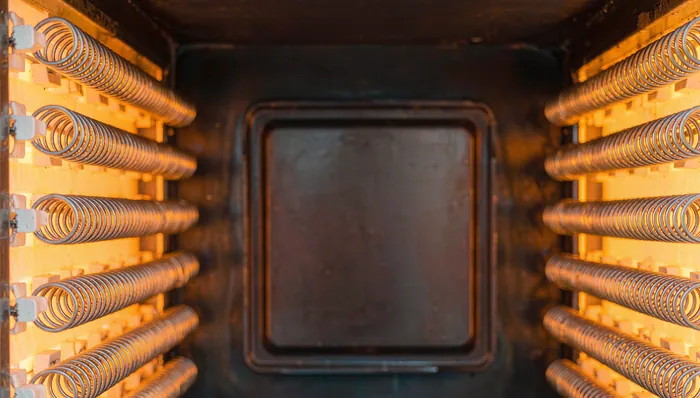
Flat winding against a muffle wall with a lower surface load per unit length.
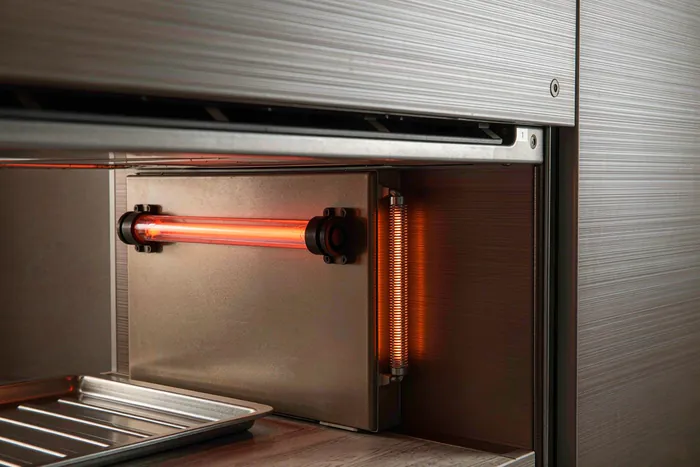
Stranded cores that survive flexing and vibration.
Braided leads that tolerate movement at the terminal.
Wide, thin sections for low-profile heaters.
Flat, stranded and braided products fail commercially when the resistance was assumed rather than calculated.
Made from the same heats as our round wire.
Including lay factor for stranded and braided.
Thickness and edge controlled for winding.
Ribbon that follows a surface without cracking.
Leads arrive ready to fit.
Trial lengths and production runs.
Each was a mechanical problem that a different construction solved.
A muffle element needed more surface in a 5 mm slot than round wire could give; ribbon raised the power without raising the wire temperature.
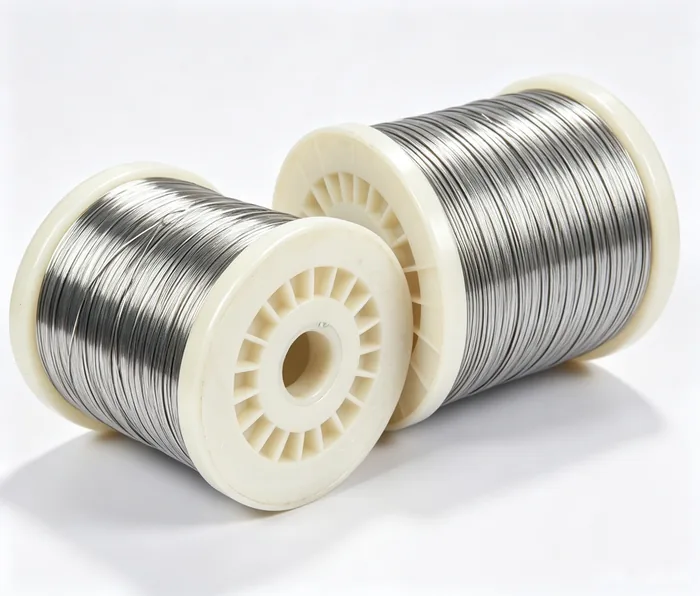
A seat heater core that had been failing at the flex points moved to a 19-strand construction with a stated resistance per metre.
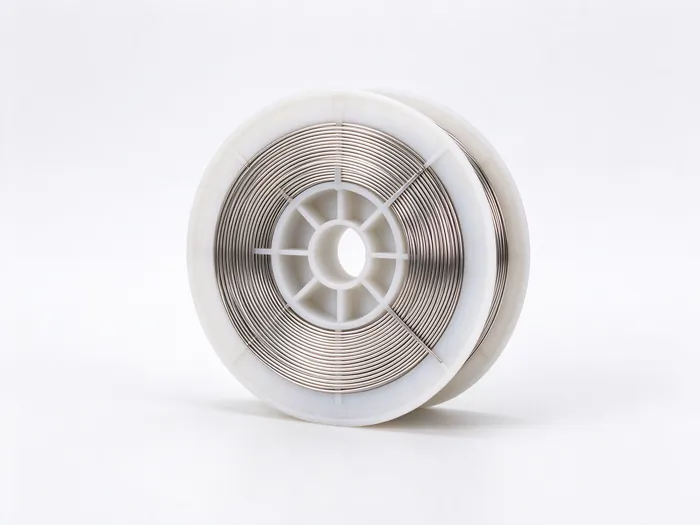
Braided nichrome lead, sleeved and cut to length with terminals prepared, for a heater that is handled daily.
Tell us the alloy, section or strand count, resistance requirement and quantity. We calculate the finished resistance per metre and quote within 24 hours.
Questions about ribbon, strand count and resistance calculation.
More surface area in a confined slot, and it winds flat against a surface, which improves heat transfer and prevents the element touching the wall.
From the total cross-section of the strands plus a lay factor of a few percent. We state the finished value rather than leaving it to be measured.
Yes, fibreglass or braided sleeve, cut to length with ends prepared. Send the termination detail.
0.1 mm thick, in widths from 0.5 mm. Narrow, thin ribbon is supplied on spools with interleave.
The alloy rating stays the same; the sleeve rating may be lower. Tell us the ambient temperature and we select the sleeve.
From 5 kg, or 100 m for narrow ribbon and braided cord.