Heat treatment · featured
0Cr25Al5 for a 1280 °C furnace
Elements were failing at the bends. Recalculating surface load and moving to 0Cr21Al6Nb at the same diameter doubled the change interval.
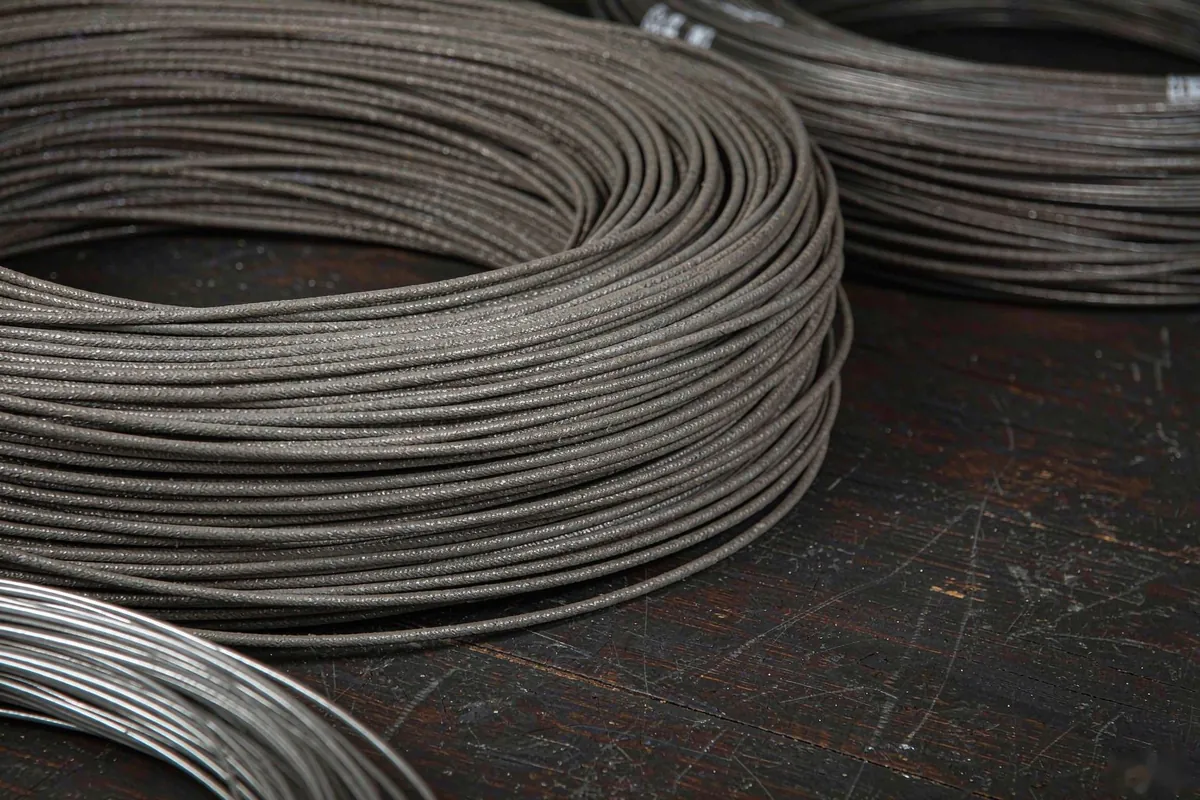
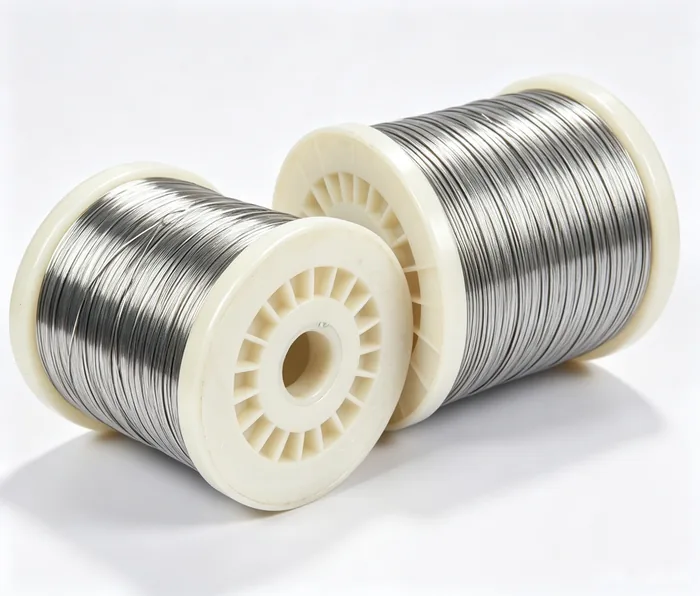
Iron-chromium-aluminium wire with a self-healing oxide layer, drawn from 0.1 mm and supplied to 1400 °C service. Higher resistivity and longer life than nichrome at temperature — at the cost of ductility.
FeCrAl forms an aluminium oxide layer that re-forms if it is damaged, so the element survives thermal cycling that would oxidise through a nichrome wire. Its resistivity is 30–40% higher, which means a shorter wire for the same power — an advantage in large furnaces.
The trade-off is ductility: FeCrAl is brittle at room temperature after use, so it is supplied annealed and must be handled with the right bend radius. We quote the grade together with the element surface load, because wire gauge alone does not predict life.
Grade choice is set by element temperature, atmosphere and cycle frequency — not by wire diameter.
The workhorse grade for industrial furnaces and kilns in oxidising air.
Higher aluminium for better oxidation resistance at moderate temperature.
Niobium addition improves creep strength for element supports and sag resistance.
Highest temperature grade, for sintering and ceramic firing furnaces.
Fine wire for appliance elements, heavy wire and rod for industrial furnace elements.
Spooled for coiling machines, with resistivity tested per lot so the power rating is repeatable.
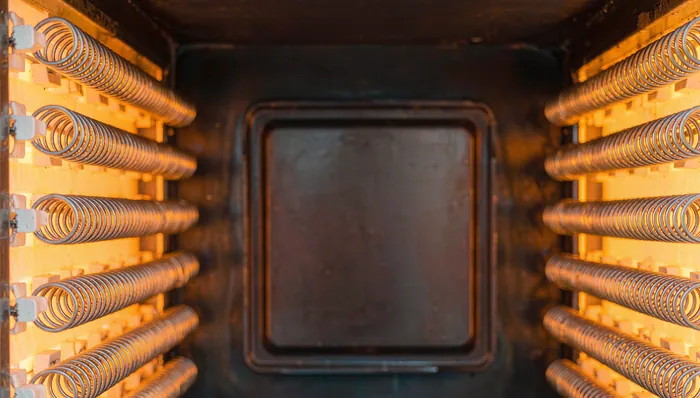
Coiled or zig-zag elements for furnaces, supplied annealed for forming.
Straight lengths for heavy element sections and terminal connections.
Need an element design checked? Send the power, voltage and chamber size — we confirm surface load and grade.
Ask for an element review →Grade, surface load and atmosphere decide element life; all three are quoted together.
Element surface load (W/cm²) decides life more than grade does — send the design and we check it. Send your specification — our engineers confirm availability and test values before you order.
Resistivity is measured per heat because a 3% deviation changes the power of a finished element. Values below are nominal at 20 °C.
Maximum temperature assumes an oxidising atmosphere and a correctly designed surface load. In reducing or contaminated atmospheres the usable temperature drops.
At 20 °C
At 20 °C
At 20 °C
Oxidising atmosphere
Typical
Drawn wire
FeCrAl work-hardens and embrittles; the supplied condition decides whether the element can be formed at all.
Soft enough to coil without cracking.
StandardOxide removed after annealing.
SurfaceClean surface for appliance elements.
ApplianceTraverse wound for automatic coilers.
PackagingFor zig-zag and heavy elements.
FurnaceWound to drawing and stress relieved.
Finished partFeCrAl becomes brittle after service. Store spools dry and avoid sharp bends; minimum bend radius is roughly three times the wire diameter.
Five controlled steps, each with a named output — so nothing is agreed verbally and lost between shifts.
We check grade, size, temper, tolerance, packing and delivery date against what the drawing actually needs — and flag anything the process cannot hold.
0Cr25Al5 / 0Cr21Al6 confirmed against your existing grade number, with datasheet and typical test values issued before the order is placed.
Drawn with inter-pass annealing; FeCrAl work-hardens quickly and cracks if the schedule is rushed.
Annealing sets ductility for coiling and stabilises resistivity before the final test.
Chemistry, mechanical properties, dimensions and surface checked against the order, then packed for export with the documents inside the case.
Four applications where temperature and atmosphere decide the grade.
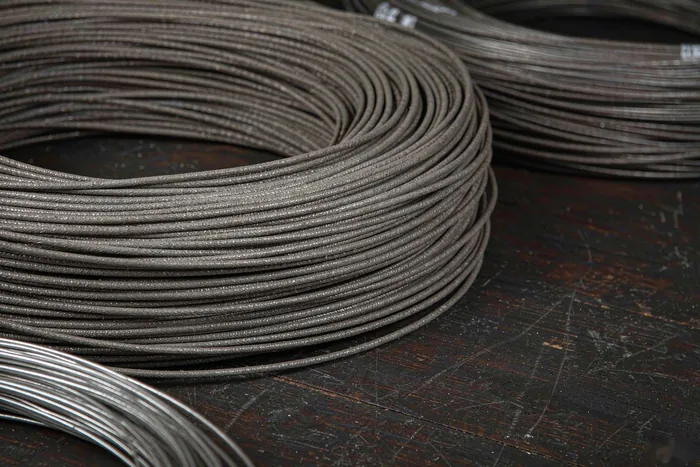
Coiled and zig-zag elements for 1200–1400 °C chambers.
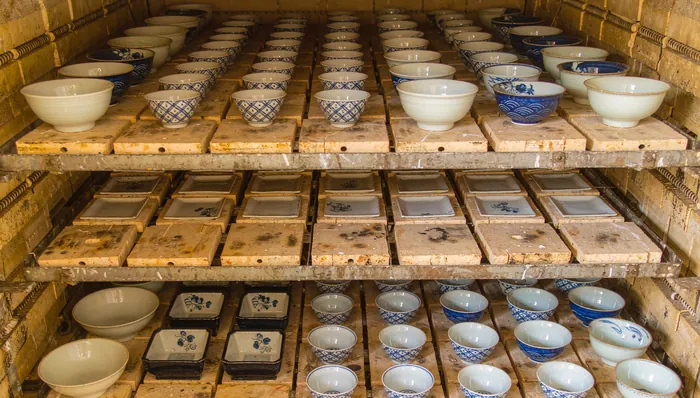
Long-life elements where replacement means a shutdown.
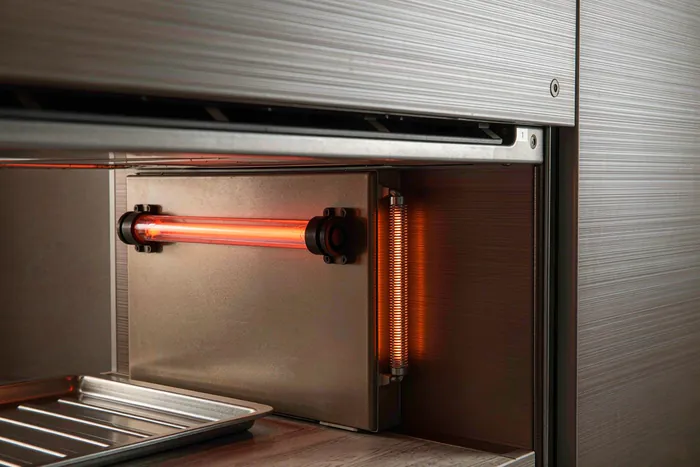
Fine wire for fan heaters, dryers and ovens.
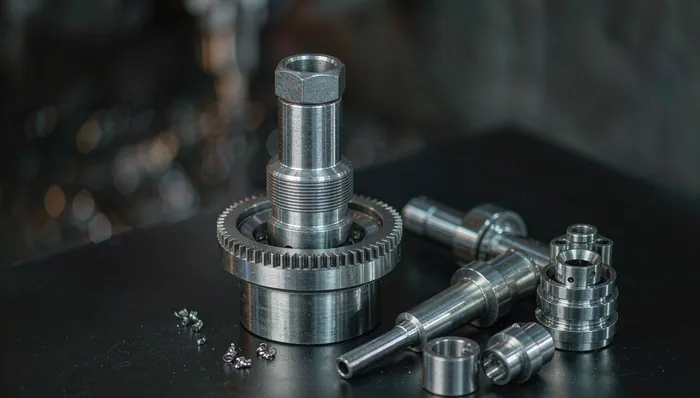
Fast-cycling elements with a stable resistance.
Most premature FeCrAl failures are surface-load or bending problems, not alloy problems.
From 1250 to 1400 °C service.
Because 3% drift changes the finished power.
Wire that survives coiling without edge cracks.
Wound to drawing and stress relieved before packing.
Measured values on the certificate.
We check W/cm² before the element is made.
Each enquiry started with a failed element and a target life, not with a wire diameter.
Elements were failing at the bends. Recalculating surface load and moving to 0Cr21Al6Nb at the same diameter doubled the change interval.
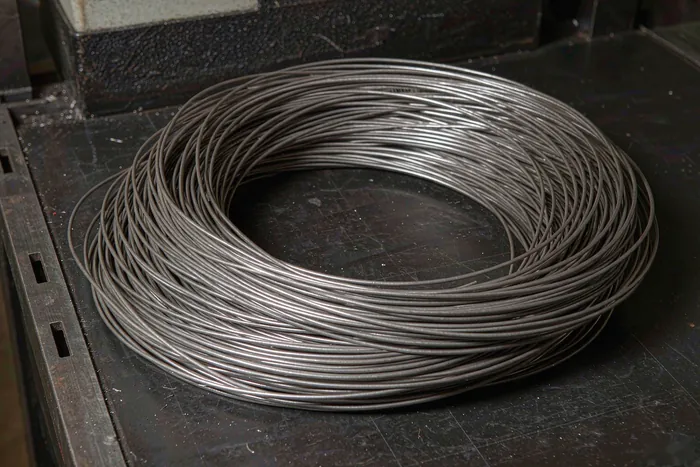
A 1380 °C firing cycle required the highest-temperature grade, supplied as coiled elements stress relieved before shipment.
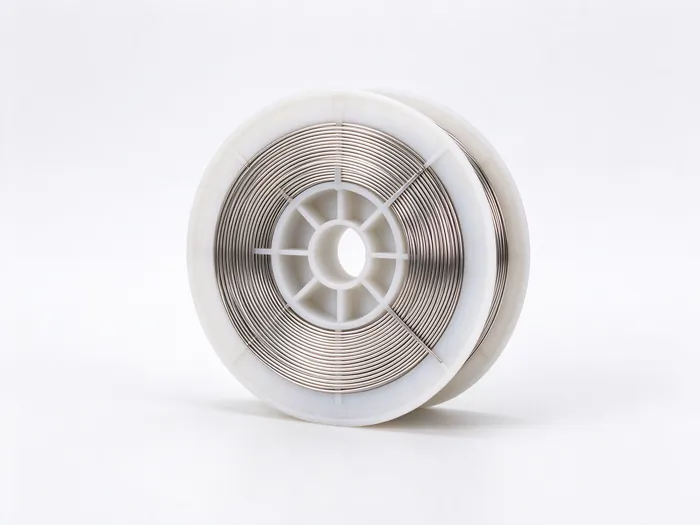
Resistivity held within 2% across the lot so the assembled heater stayed inside its power tolerance.
Tell us the chamber temperature, atmosphere, power and voltage — or send the element drawing. We check the surface load and quote grade, diameter and condition within 24 hours.
What furnace builders and appliance engineers ask about FeCrAl.
FeCrAl above 1200 °C, or where the atmosphere is oxidising and cycling is frequent. Nichrome is more ductile and easier to weld, and better in some carburising atmospheres.
It embrittles after service and after fast cooling. Handle elements warm where possible, and bend to at least three times the wire diameter.
It can, but welded joints usually fail before the element does. Design for clamped or threaded connections instead.
Reducing and carburising atmospheres, and any atmosphere containing sulphur or halogens. Tell us the atmosphere and we derate the temperature.
Yes, wound to drawing and stress relieved. Send the resistance, diameter and terminal details.
From 5 kg for fine sizes; 25–50 kg for standard element diameters.