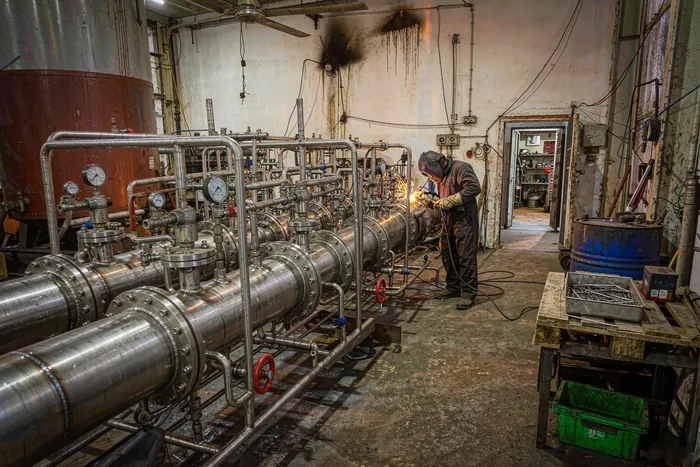
Chlor-alkali · featured
Forged 140 mm electrode bar
A chlor-alkali plant needed UT-tested bar with PMI on each piece, delivered cut to finished length to avoid machining 30 mm off each end.
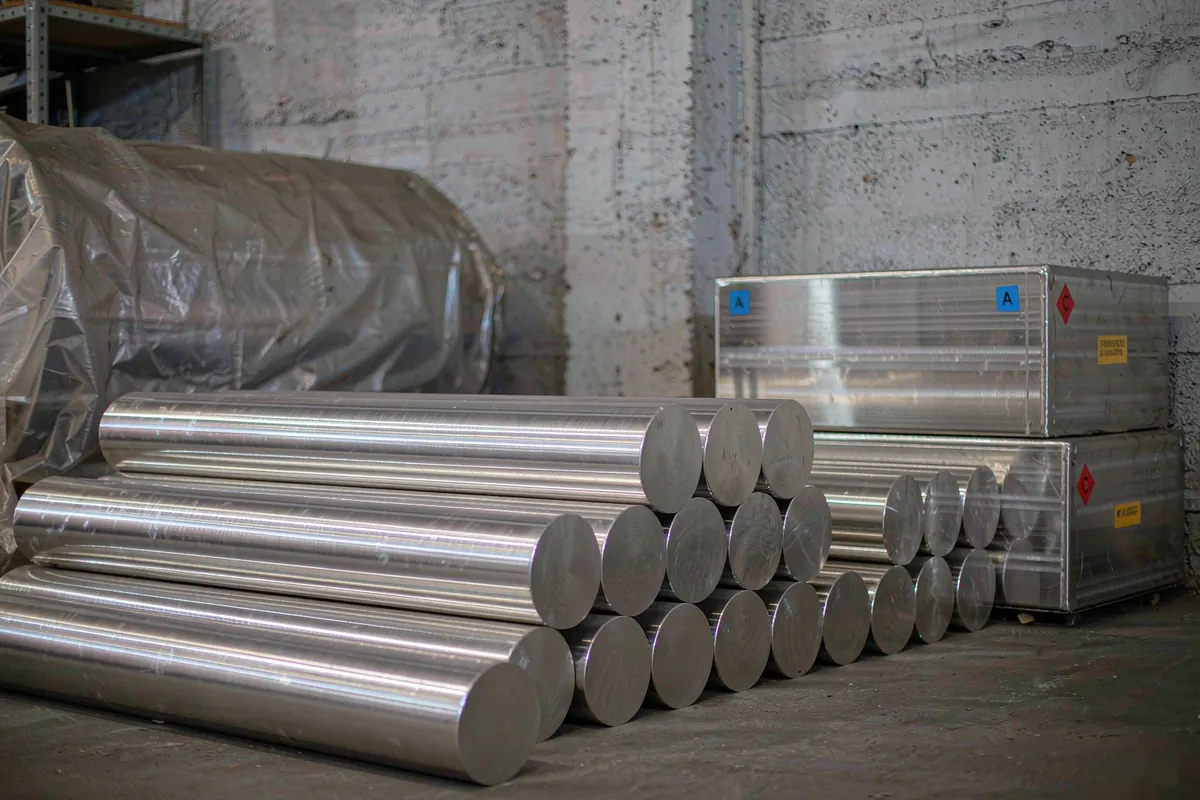
Forged, rolled and cut to size in Ni200 and Ni201. Round bar from 6 mm, plate from 3 mm, with ultrasonic testing and full traceability where the application demands it.
Bar and plate are bought by machinists and fabricators, so the questions are different from wire: is the centre sound, will it stay flat after machining, and does the heat number follow the piece to the weld?
We supply forged and rolled nickel with ultrasonic testing available on bar above 60 mm, PMI verification on every lot, and cut-to-size blanks so the machine shop is not paying to remove material it will never use.
The cheapest form is the one that needs the least machining and the least inspection.
Turned electrodes, valve trim and shafts; peeled or ground finish on request.
Tubesheets, flanges and vessel internals, cut to size with a machined edge.
For parts where a cast or welded structure is not acceptable.
Ultrasonic inspection on heavy sections; PMI to confirm the grade on receipt.
Each route has its own inspection routine, because the risk is different at 20 mm and at 180 mm.
Cold-finished bar for machining centres, straightened and cut to length.
Forged from ingot and ultrasonically inspected before despatch.
Rolled plate cut to your outline, with edges machined where the part will be welded.
Need a forged blank or a UT acceptance level? Send the drawing and the inspection requirement together.
Send the drawing →Ni200 and Ni201 cover most caustic and electrode work; 4N is available for special cases.
Heavier sections and non-standard outlines are quoted individually — send the drawing. Send your specification — our engineers confirm availability and test values before you order.
Mechanical values are supplied per heat. Dimensional tolerances below are typical for cold-finished bar and rolled plate, and are confirmed on the drawing before production.
Where the part will be welded into a pressure boundary, UT and PMI results are issued with the material certificate rather than on request.
Cold finished, 6 – 60 mm
Bar, per metre
Rolled plate
Annealed Ni200
Annealed, typical
Bar above 60 mm
Condition and cut decide how much material your shop removes — and how much it inspects.
Soft condition for machining and forming.
StandardHigher strength where machining is light.
EconomyClean surface, tight diameter control.
BarGround to h9 for bearing fits.
PrecisionCut and deburred to your list.
CuttingUltrasonic inspection on heavy sections.
InspectionCut lengths are deburred and bundled by size. Mill test reports travel with the bundle, not in a separate envelope.
Five controlled steps, each with a named output — so nothing is agreed verbally and lost between shifts.
We check grade, size, temper, tolerance, packing and delivery date against what the drawing actually needs — and flag anything the process cannot hold.
Ni200 / Ni201 confirmed against your existing grade number, with datasheet and typical test values issued before the order is placed.
Forged from ingot or rolled to plate thickness, then cut to the ordered outline.
Annealed to soften for machining, then straightened and gauged.
Chemistry, mechanical properties, dimensions and surface checked against the order, then packed for export with the documents inside the case.
Four sectors where the material choice is usually a corrosion or contamination decision.

Nickel resists caustic soda across the concentration range where steel cracks.

High conductivity with corrosion resistance in the electrolyte.
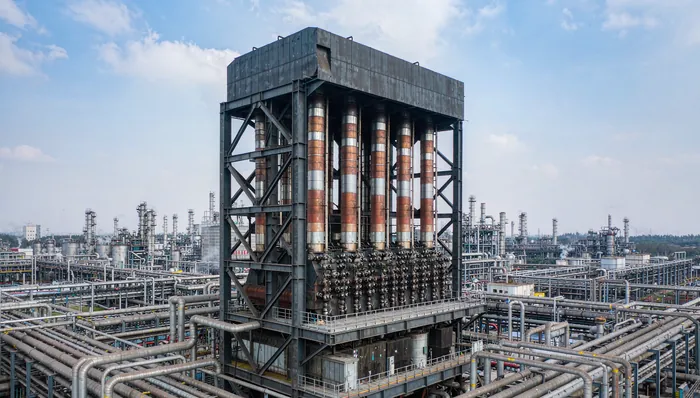
Forged and rolled stock for welded tube-to-tubesheet joints.
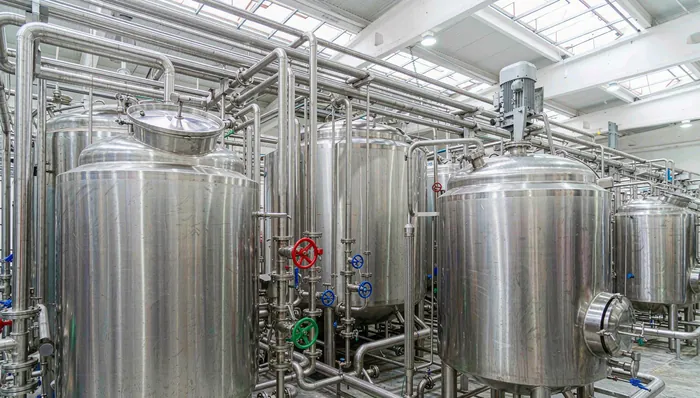
Nickel-safe contact surfaces for caustic and fatty process streams.
Large sections are where undocumented material becomes expensive: one wrong heat number can scrap a finished part.
Bar above 60 mm is forged, not cut from plate.
Ultrasonic testing and grade verification before despatch.
Less material removed, less scrap at your end.
Each piece marked with its heat number and report.
Chemical, mechanical and inspection results in one package.
Prototype parts and repeat production from the same route.
In each case the deciding factor was inspection or cut size, not the alloy itself.
A chlor-alkali plant needed UT-tested bar with PMI on each piece, delivered cut to finished length to avoid machining 30 mm off each end.
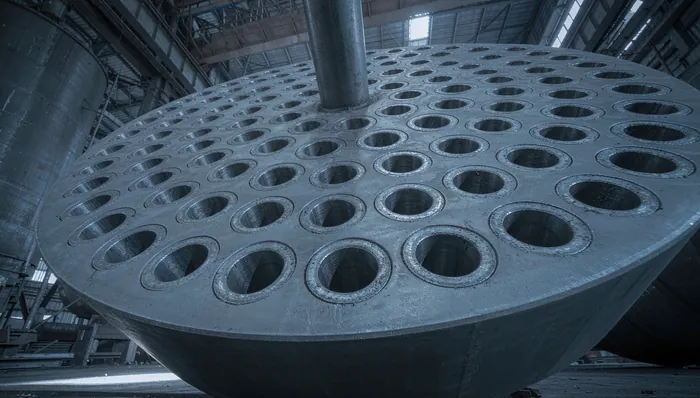
Rolled plate 25 mm thick, cut to an outline and edge-machined for a welded tubesheet.
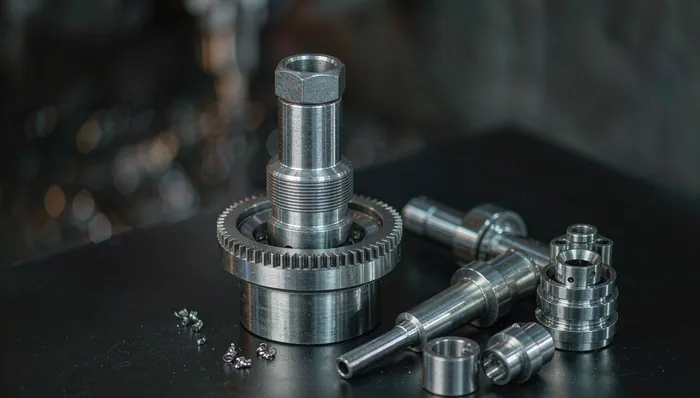
Ground 22 mm bar, supplied in 300 mm lengths so the shop could run lights-out turning.
Tell us the grade, form, size, quantity and inspection requirement. An engineer confirms what the forge and mill can hold and you get a factory-direct quotation within 24 hours.
The questions fabricators ask before ordering heavy nickel stock.
Yes, on bar above 60 mm, to the acceptance level you specify. The UT report is issued with the material certificate.
Yes. Sawn or waterjet cut, deburred, and edge-machined where the part will be welded. Send the drawing with the cut list.
Ni201 for welded assemblies and any service above 300 °C, because its low carbon avoids graphite precipitation in the heat-affected zone.
Grade verification by PMI is standard on heavy sections and available on request for smaller bar.
One bar or one plate for a prototype; cut lists from a few hundred kilograms for production.
On request, usually as small forged or rolled sections. Send the analysis you need to meet.